


Cold Room Backup Power Solutions for Hotels and Resorts
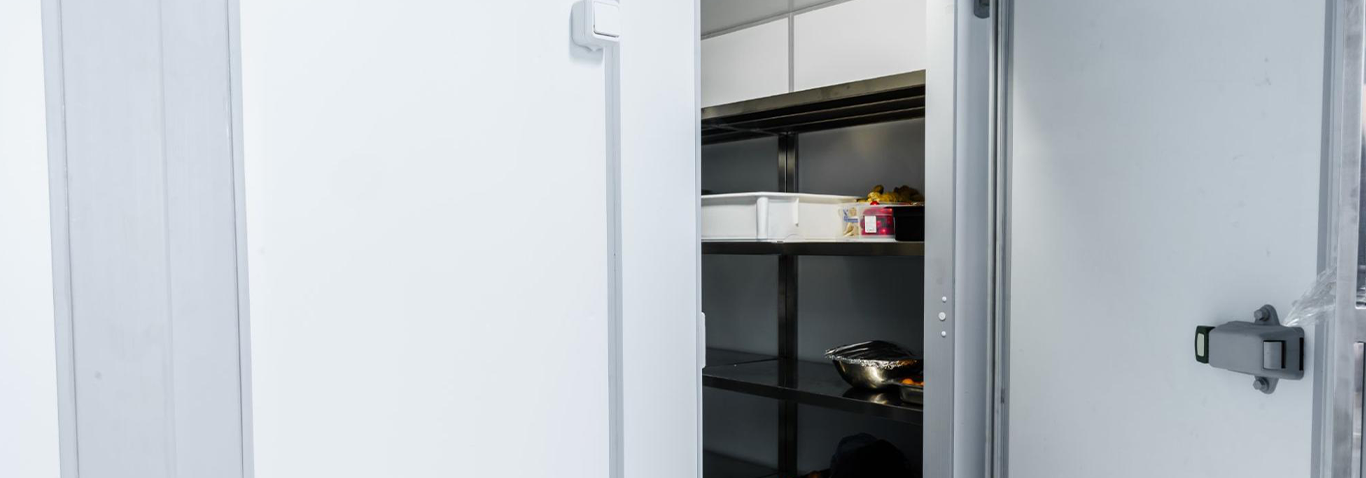
In the hospitality industry, every minute counts—especially when it comes to food safety and guest satisfaction. For hotels and resorts that rely on cold food storage to keep ingredients fresh for restaurants, bars, and events, a sudden power outage can quickly become a costly crisis—making cold room backup power solutions essential for uninterrupted operations.
Power failures in tropical regions like Singapore and Southeast Asia, whether due to weather, grid issues, or equipment malfunction, pose a direct threat to cold room operations. Without a robust backup solution, spoilage, waste, and reputational damage can escalate in a matter of hours.
This article explores how cold room backup power systems safeguard food safety in hospitality settings. We look at generator integration strategies, key planning considerations for multi-property operators, and real-world examples of how hotels in Singapore are preparing for the unexpected.
1. Preventing Food Spoilage During Power Outages
Cold food storage rooms are essential for storing perishable items such as seafood, meats, dairy, desserts, and pre-prepped ingredients. In hotels that operate 24/7, even a short interruption in refrigeration can trigger a cascade of problems.
Why Backup Power Matters:
- Temperature Rise Happens Fast: Without power, walk-in chillers and freezers can rise above safe temperatures in under an hour—especially during frequent door openings.
- Cross-Contamination Risk: As temperatures fluctuate, condensation can lead to bacterial growth or spoilage that impacts nearby food items.
- Food Waste and Financial Loss: Large resorts may store thousands of dollars’ worth of perishables. Losing just one cold room of goods can severely impact budgets.
- Brand Reputation: Spoiled food leading to service delays, guest complaints, or foodborne illness can damage a hotel’s reputation and ratings.
Hotels need cold storage solutions that remain operational, even during unplanned outages. This is where backup generators—and smart coldroom integration—become mission-critical.
2. Generator Integration for Coldroom Continuity
Not all backup systems are created equal. Hotels must ensure their generators are properly sized, configured, and connected to support coldroom loads.
Design Considerations for Generator Integration:
- Load Calculation and Prioritisation: Determine the total power requirements for all cold rooms across kitchens, bars, and banqueting facilities. Critical units—like those storing high-risk items such as seafood or dairy—should receive priority.
- Automatic Transfer Switch (ATS): Install an ATS system that immediately switches to generator power during outages. This eliminates the delay between grid loss and generator activation.
- Coldroom Load Sequencing: To avoid power spikes when the generator starts, coldroom compressors should be set to start in a staggered sequence. This protects the system and reduces strain.
- Fuel Capacity and Runtime: Hotels should ensure that their generator can run for extended periods, particularly during longer outages. This is especially important in island resorts or remote areas where refuelling may be delayed.
- Chiller Backup Zone Design: Kiat Lay often recommends designing a consolidated coldroom backup zone—so that high-value ingredients can be quickly transferred to a central unit that remains powered during outages.
3. Backup Planning for Multi-Property Hotel Chains
For hotel groups with multiple properties or centralised kitchens, having a coordinated cold room backup power solutions strategy is even more important.
Strategic Approaches Include:
- Central Kitchen Resilience: If a chain uses a central kitchen to supply multiple hotel outlets, ensure that its cold storage is equipped with high-capacity generators and UPS (uninterruptible power supply) systems to protect both prep and storage operations.
- Standardised Coldroom Design Across Sites: Adopt a modular coldroom layout across hotel properties that includes pre-wired generator hookups. This simplifies installation and ensures consistency across locations.
- Real-Time Monitoring Across Properties: Use integrated coldroom monitoring systems that alert both on-site and HQ-level facility managers when power dips or temperatures rise. Systems can also be linked to emergency response SOPs.
- Mobile Refrigeration Backups: Some hotel groups maintain portable cold storage units that can be deployed across properties during extended downtime. These can be trucked in and powered by portable generators.
4. Case Study: Upscale Resort in Sentosa
A luxury resort in Sentosa recently engaged Kiat Lay to audit its coldroom infrastructure after experiencing two unplanned power failures in one year. The hotel operates four restaurants, an event catering team, and a central commissary, all of which rely heavily on cold storage.
Challenge:
During a storm-related outage, a walk-in chiller serving their seafood kitchen lost power for over 90 minutes. By the time the generator kicked in, several items had to be discarded, and dinner service was delayed.
Kiat Lay’s Backup Upgrade Plan Included:
- Installing a dedicated generator for kitchen operations.
- Fitting ATS systems on all walk-in chillers.
- Adding a fast-acting chiller door with better insulation to retain cold longer.
- Creating a central emergency coldroom powered independently from the main system.
Outcome:
In the next outage (six months later), all coldrooms remained within safe temperature thresholds. The hotel avoided any food loss and continued full service with zero guest complaints.
5. Cold Room Materials and Construction for Power Efficiency
Even with backup systems, coldrooms should be built to retain temperatures as long as possible during outages.
Kiat Lay Coldroom Features for Outage Readiness:
- PU Insulated Panels: High-density polyurethane with excellent thermal resistance to slow down internal warming.
- Thermal Break Doors: Reduce heat transfer through the frame and seals.
- Floor Insulation: Properly insulated floors help prevent upward heat gain, especially for freezer rooms.
- Zoned Compartments: Segmented coldroom spaces allow hotels to isolate specific sections and minimise temperature impact when access is needed.
6. Future-Proofing Coldroom Resilience in Hospitality
Hotels and resorts can no longer rely on reactive measures. As sustainability and safety expectations grow, investing in coldroom backup systems is not just smart—it’s essential.
Long-Term Benefits:
- Reduced food waste and cost recovery over time.
- Consistent guest service, even during infrastructure disruptions.
- Improved audit readiness for food safety and hygiene standards.
- Greater resilience in regional power fluctuations or climate events.
Conclusion
A well-designed coldroom is the heartbeat of a hotel kitchen—but only if it keeps running when the lights go out. By integrating reliable backup power solutions and partnering with specialists like Kiat Lay, hospitality operators can secure their food supply, maintain service standards, and protect their brand reputation.
Whether you’re operating a single boutique hotel or managing a multi-property resort group, Kiat Lay can design, build, and upgrade your cold food storage systems for power continuity and operational peace of mind.
Looking to strengthen your cold room backup power solutions?
Contact Kiat Lay Coldroom Specialists today and future-proof your hospitality operations.