


Managing Bulk Ingredient Storage for Centralized Hotel Kitchens
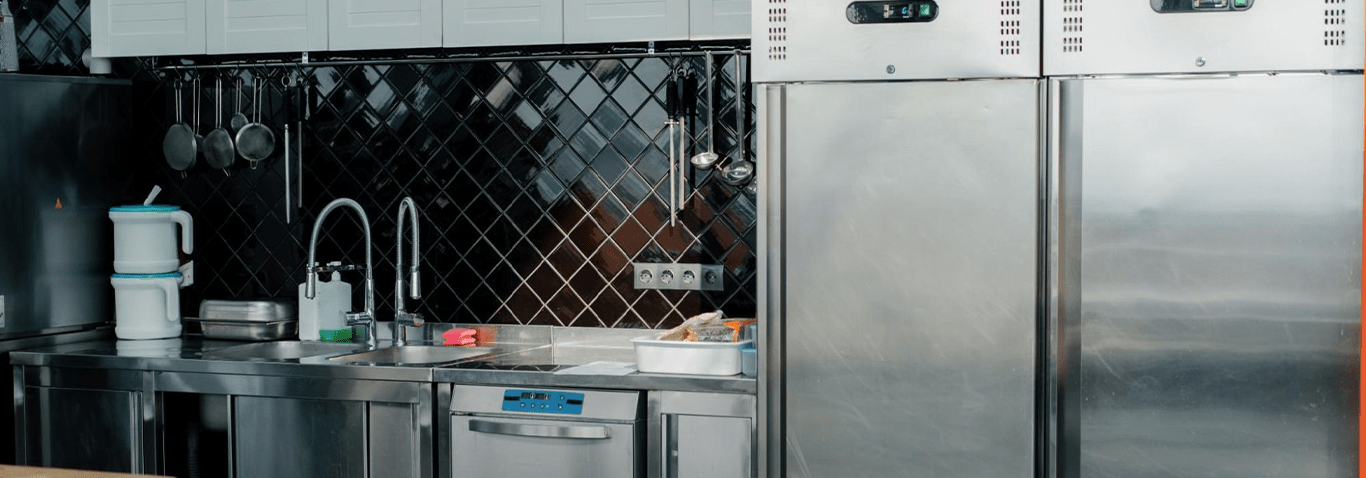
In the world of hospitality, centralised kitchens have become the backbone of many hotel operations. Whether catering for multiple in-house restaurants, room service, banquet halls, or external events, these kitchens handle enormous volumes of ingredients daily. This requires not only precise culinary execution but also efficient cold storage solutions to keep operations running smoothly.
Industrial cold rooms play a critical role in helping centralised hotel kitchens manage bulk ingredients, preserve food quality over time, and streamline procurement and delivery schedules. Without proper storage infrastructure, even the best-run kitchens can suffer from delays, spoilage, and inconsistency.
In this article, we’ll explore how cold room layout, freezer room capacity, and smart storage planning can optimise high-volume hotel cooking operations. We’ll also highlight real examples from Singapore’s hotel industry to illustrate what works in practice.
1. Cold Room Layout for High-Volume Cooking
A centralised kitchen receives, preps, and dispatches food in large quantities—often across multiple outlets or functions. This level of demand requires strategic cold room design that supports efficient ingredient handling while maintaining food safety.
Key Layout Considerations:
- Zoning by Ingredient Type:
Separate zones for vegetables, meats, dairy, and ready-to-eat items help prevent cross-contamination and simplify workflow. - Flow-Through Design:
Design the cold room so that ingredients enter from the receiving area and exit toward the preparation area. This “first in, first out” (FIFO) layout supports better stock rotation and HACCP compliance. - Racking and Shelving:
Industrial-grade racks allow bulk stacking of large containers, cartons, and ingredient tubs. Adjustable shelving enables flexibility based on daily or seasonal menu needs. - Wide Aisles and Clear Access:
Sufficient space for trolleys and staff movement improves efficiency and reduces time spent navigating between sections.
Bonus Tip:
Install LED lighting and durable anti-slip flooring to improve safety and visibility for kitchen staff working in fast-paced environments.
2. Freezer Room Storage for Long-Term Preservation
Hotels often rely on imported proteins, pre-portioned sauces, and specialty items that require long-term storage. A dedicated freezer room allows for better inventory planning and reduces the need for frequent restocking.
Benefits of a Dedicated Freezer Room:
- Temperature Stability (-18°C and below):
Ensures meats, seafood, and prepared items remain safe and retain quality for extended periods. - Energy Efficiency:
High-density PU insulation panels and inverter-based refrigeration systems reduce energy consumption even when operating 24/7. - Bulk Storage Capability:
Walk-in freezer rooms can accommodate pallet-sized deliveries and large frozen food shipments with ease. - Inventory Control:
Frozen ingredients often come with long expiry dates, making clear labelling and proper rotation essential to avoid wastage.
Case Study: Integrated Resort in Sentosa
A luxury hotel in Sentosa operating multiple restaurants and banquet halls needed a cold storage upgrade to manage rising guest volumes and menu complexity. Kiat Lay designed a dual-zone system with a central cold room (2–4°C) for fresh ingredients and a walk-in freezer (-20°C) for imported seafood and meats.
After the upgrade:
- Restocking frequency reduced by 35% due to improved bulk storage.
- Food waste dropped by 20% thanks to better organisation and rotation.
- Prep time for banquet events was cut by 25%, boosting overall kitchen productivity.
3. Streamlining Delivery and Procurement Schedules
Hotels often work with tight delivery windows and need to coordinate with multiple suppliers. Without adequate storage space, even slight delays or order mismatches can disrupt kitchen operations.
By designing cold rooms with procurement strategy in mind, hotel kitchens can absorb supply chain variability while keeping service standards high.
Smart Storage Planning Includes:
- Staging Zones for Incoming Deliveries:
A designated area in the cold room for new stock allows quality checks and temperature verification before integration into main storage. - Buffer Stock Management:
Extra shelving or chest freezers help store buffer stock for peak periods, like holidays or wedding seasons. - Digital Inventory Monitoring:
Integrated temperature sensors and tracking tools help kitchen managers monitor expiry dates, track usage rates, and prevent shortages.
Case Study: Business Hotel, Marina Bay
A mid-size business hotel in Marina Bay handled up to 1,000 meal covers daily across its buffet, room service, and rooftop bar. They faced challenges with over-ordering fresh produce and lacking freezer space for high-demand proteins.
Kiat Lay revamped their cold room with:
- A U-shaped chiller layout for improved pick-and-place efficiency.
- Extra shelving to stage deliveries and sort by supplier.
- A new walk-in freezer designed to hold an additional 40% of frozen stock.
Results:
- Delivery frequency reduced from 5 to 3 times per week.
- The hotel negotiated better bulk pricing due to increased storage capacity.
- Kitchen downtime from stock issues dropped significantly.
4. Long-Term Gains of Investing in the Right Cold Room
Beyond day-to-day operations, cold rooms are a strategic asset in hospitality. The right investment reduces energy costs, supports food safety, and enables long-term menu planning.
Advantages of Kiat Lay Coldroom Systems:
- Custom-Fitted to Kitchen Layouts:
No wasted space—every cold room is tailored to your workflow and floor plan. - Scalable for Growth:
Modular designs that expand as your operations scale or if you open more outlets. - Easy Cleaning and Maintenance:
Food-grade materials, smooth corners, and drain systems keep hygiene levels high. - 24/7 Monitoring & Alerts:
Temperature and humidity tracking with automated alarms ensure your ingredients are always protected—even during power outages or equipment issues.
Conclusion
In centralised hotel kitchens, every second and every degree counts. The ability to store, organise, and access large volumes of ingredients without compromising quality is what sets great operations apart.
Walk-in chillers and freezer rooms—when designed correctly—are more than just storage spaces. They’re command centres that support procurement, production, and profitability.
At Kiat Lay Coldroom Specialists, we work with hotel chefs and F&B managers to build industrial cold storage systems that match their pace and purpose. Whether you’re outfitting a new central kitchen or upgrading an existing one, we deliver tailored, durable, and energy-efficient cold room solutions.
Ready to elevate your hotel’s kitchen efficiency? Contact Kiat Lay today to explore how the right cold room can transform your back-of-house operations.