


Can Pharma Cold Rooms Ever Go Green?
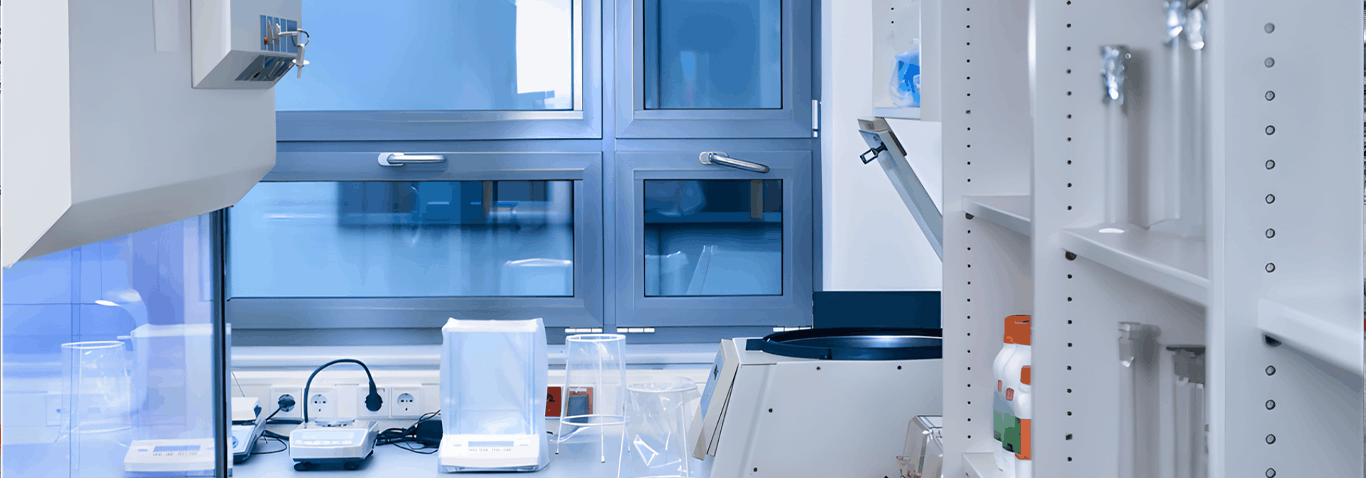
Pharmaceutical cold rooms are among the most energy-intensive facilities in the healthcare supply chain. From vaccine freezers operating at -70°C to temperature-controlled cleanrooms preserving biologics, these systems run continuously — 24 hours a day, 365 days a year.
For decades, this level of energy use has been considered unavoidable. After all, lives depend on temperature precision. But as sustainability becomes a core value across industries, the pharmaceutical sector is asking a challenging question: Can pharma cold rooms ever go green?
Thanks to advances in design, technology, and energy management, the answer is increasingly yes.
The Energy Dilemma in Pharmaceutical Storage
Pharmaceutical cold rooms face a unique problem — they must maintain extremely narrow temperature ranges, often within ±0.5°C. A small deviation can render vaccines, biologics, or reagents unusable, leading to significant financial and ethical losses.
To maintain this stability, cold rooms rely on:
- Power-intensive refrigeration systems running nonstop.
- Air-tight insulation panels that prevent thermal exchange.
- Continuous data monitoring and redundancy systems to ensure compliance with HSA and GDP standards.
In Singapore’s tropical climate, ambient temperatures can exceed 30°C and humidity regularly hovers above 80%. That means cold rooms must work even harder, driving up energy consumption — and by extension, operational costs and carbon emissions.
But the narrative is shifting. Pharma cold storage facilities are proving that safety and sustainability can coexist through smarter engineering.
Green Innovation #1: Renewable-Powered Cold Storage Facilities
Across Asia, pharmaceutical companies are beginning to integrate renewable energy into their cold room operations. Solar power, in particular, is emerging as a practical solution.
Case in point:
A pharmaceutical logistics centre in Tuas recently installed a rooftop solar array that now powers over 40% of its cold room energy needs. The facility houses both 2–8°C chill rooms and -20°C freezers, supported by battery storage systems that keep refrigeration running even during cloudy days or grid disruptions.
The result? An estimated reduction of 250 tonnes of CO₂ annually, without compromising temperature consistency or regulatory compliance.
By pairing solar energy with energy-efficient refrigeration units, facilities like this are showing that pharma-grade reliability and sustainability are not mutually exclusive.
Green Innovation #2: Smarter Insulation and Thermal Design
The battle for energy efficiency begins at the walls. Traditional insulation materials like polyurethane panels are effective but not always environmentally friendly to manufacture or dispose of.
In response, Kiat Lay and other forward-looking cold room specialists are experimenting with eco-friendly insulation panels made from recyclable or low-emission materials. These panels provide the same — or even better — thermal performance while reducing the embodied carbon footprint of construction.
At the same time, thermal zoning and door air curtains are helping pharmaceutical facilities minimize energy waste. For example:
- Dual-zone designs isolate different temperature areas to prevent unnecessary cooling of the entire room.
- Automatic door systems limit warm air infiltration during loading operations.
- Reflective coatings on panels reduce heat absorption from surrounding environments.
In a recent project for a pharmaceutical research centre in Woodlands, Kiat Lay implemented multi-zone cold rooms with variable-speed compressors and high-performance insulation. Post-installation audits showed an energy efficiency improvement of nearly 20%, proving that precision cooling can indeed be eco-conscious.
Green Innovation #3: AI and Smart Energy Management
Even the most efficient equipment can waste energy without proper management. That’s where AI-driven monitoring and control systems come in.
Modern pharmaceutical cold rooms are now being fitted with intelligent controllers that:
- Track real-time energy consumption.
- Predict compressor load based on environmental data.
- Adjust cooling intensity automatically during low-activity hours.
- Alert operators to inefficiencies before they become major issues.
For instance, one global pharmaceutical firm in Singapore implemented a smart cold room management platform across its regional distribution hubs. By analysing temperature and compressor data, the system identified overcooling patterns during off-peak hours — leading to operational adjustments that cut total energy usage by 15%.
This kind of smart automation not only reduces energy bills but also helps facilities meet ESG (Environmental, Social, and Governance) reporting requirements with measurable sustainability metrics.
Green Innovation #4: Refrigerants with a Lower Environmental Impact
Traditional refrigerants like R404A and R507 have high Global Warming Potential (GWP), making them unsustainable in the long run. Newer cold room designs now use low-GWP refrigerants such as R448A, R452A, and even CO₂ (R744) — natural refrigerants that offer both efficiency and environmental safety.
Switching to these alternatives can reduce greenhouse gas impact by up to 70–90% while maintaining excellent cooling performance.
Kiat Lay has already begun integrating these eco-friendly refrigerant systems into new pharmaceutical projects, helping clients transition smoothly without compromising compliance or reliability.
Case Study: Sustainable Cold Storage for Clinical Supplies
A leading clinical supply depot in Singapore recently faced a dual challenge: maintaining strict 2–8°C and -20°C storage conditions for biologic samples while meeting new corporate sustainability goals.
Kiat Lay’s solution:
- Installed variable-frequency compressor systems that adjust load dynamically based on real-time temperature readings.
- Integrated solar-assisted energy systems to power part of the refrigeration cycle.
- Added phase-change thermal buffers that maintain internal temperature even during short power interruptions, reducing the need for constant mechanical cooling.
The outcome:
The facility achieved a 25% reduction in annual energy use, saving thousands in operational costs while maintaining flawless temperature validation reports for HSA and GDP audits.
This project demonstrated that green pharmaceutical cold storage is not just aspirational — it’s achievable and economically viable.
Beyond Compliance: Building a Sustainable Cold Chain
Sustainability in pharmaceutical storage goes beyond switching lights to LED or installing solar panels. It’s about rethinking the entire cold chain — from material sourcing to equipment lifecycle management.
Forward-thinking cold room providers like Kiat Lay are now offering:
- Modular designs for future scalability, reducing renovation waste.
- Recyclable panel systems that can be disassembled and reused.
- Energy benchmarking and reporting tools for ESG compliance.
These innovations support not just greener operations, but also stronger resilience against energy costs and supply disruptions.
The Way Forward: A Balance Between Safety and Sustainability
The ultimate challenge remains: how to ensure zero compromise on product safety while pursuing sustainability. In the pharmaceutical sector, patient health will always come first — but as technology advances, green practices no longer need to come second.
Cold rooms that are built with smart design, renewable energy, and sustainable materials represent the next generation of pharmaceutical infrastructure. They align with Singapore’s Green Plan 2030, contribute to corporate sustainability goals, and demonstrate leadership in responsible healthcare logistics.
As Kiat Lay’s projects continue to show, green cold rooms aren’t just possible — they’re already here.
Conclusion
So, can pharma cold rooms ever go green? Absolutely — and they must.
With climate change accelerating and energy costs rising, sustainability is no longer a choice; it’s a responsibility. Through smart engineering, renewable energy adoption, and eco-friendly design, pharmaceutical facilities can maintain the highest standards of safety while significantly reducing their environmental footprint.
In this evolving landscape, Kiat Lay stands as a trusted partner for pharmaceutical and healthcare clients — helping them achieve precise, compliant, and sustainable cold room performance that meets the needs of both science and the planet. Talk to our specialists to explore greener cold room solutions today.