


Cold Room Construction Checklist for Logistic Park Developers
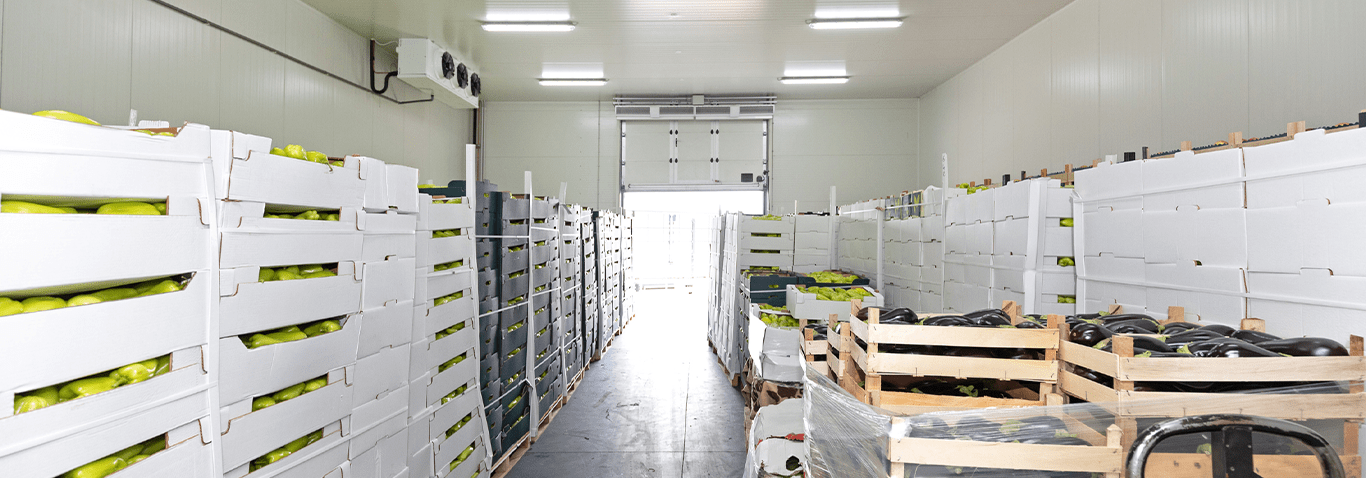
In today’s logistics-driven economy, large-scale industrial cold rooms are no longer a niche requirement—they are a cornerstone of supply chain infrastructure. For logistic park developers building facilities to serve e-commerce, food distribution, or pharmaceutical networks, the success of a site often depends on how well cold storage is planned, constructed, and integrated.
From land layout to energy systems, constructing a cold room at scale involves more than just refrigeration—it’s about balancing operational efficiency, long-term scalability, and regulatory readiness. This article walks through the essential cold room construction checklist for developers planning large-scale logistics hubs, with insights from real-world applications in Singapore.
1. Planning for Scale: Site and Layout Considerations
Before breaking ground, a well-structured site plan ensures your cold storage facilities are not only functional today, but ready to grow tomorrow.
Strategic Zoning
Designate separate areas for receiving, storage (chilled/frozen), and dispatch to streamline product flow. Align cold rooms close to dock bays to minimise handling time and temperature drift during loading and unloading.
Future-Proofing for Expansion
Incorporate space and structural allowances for modular cold room extensions. For instance, leave buffer zones around existing facilities to install additional freezer rooms or higher-capacity compressors as demand grows.
Traffic and Access Planning
Allow space for vehicle circulation, especially for refrigerated trucks. Ensure multiple access points to prevent bottlenecks during peak loading hours.
Example – West Singapore Logistics Hub:
A cold chain logistics park in Tuas worked with Kiat Lay to plan a 12,000 sqm facility with future expansion in mind. Cold rooms were built in phases with pre-installed structural supports and utility connections. This allowed the operator to scale up capacity by 40% within 18 months, without disrupting ongoing operations.
2. Cold Room Design for Performance and Efficiency
Industrial cold rooms at scale must manage extreme loads, high traffic, and frequent access—all while maintaining strict temperature conditions. Design choices here directly impact long-term operational costs and product integrity.
Insulated PU Panels
Use high-density polyurethane panels with a high R-value to maintain thermal consistency. Thicker panels (e.g., 150mm or more for freezer zones) reduce energy consumption over time.
Flooring and Load Bearing
Reinforced insulated flooring with slip-resistant surfaces is essential for safety and durability, especially under forklift or pallet jack use. Install underfloor heating systems in freezer areas to prevent frost heave.
Door Selection
Use high-speed roll-up or sliding doors for temperature-sensitive zones. Doors should include sensors and automatic closing to reduce exposure time.
Lighting and Visibility
Install LED lighting that remains effective in low temperatures and ensures staff can work safely and efficiently. Motion sensors also help save energy.
3. Mechanical Systems and Energy Optimization
Refrigeration is the largest ongoing cost in any cold room operation. Developers should work with coldroom specialists to select energy-efficient systems tailored to usage volume and local climate conditions.
Compressor and Condenser Selection
Choose between centralized or decentralized systems based on footprint and redundancy needs. Water-cooled systems may be preferable for high-capacity facilities, while air-cooled systems offer easier maintenance.
Zoning for Different Temperature Needs
Design multiple chambers within the same building envelope, each with separate controls—this helps optimize performance depending on what products are stored (e.g., dairy vs. frozen meat).
Energy Saving Features
- Inverter-driven compressors for adaptive cooling
- Smart defrosting cycles
- Waste heat recovery systems
- Solar-ready electrical infrastructure
Monitoring and Control Systems
Install temperature and humidity sensors throughout the cold room, connected to a central monitoring system with real-time alerts and historical logs. This is crucial for audits and quality assurance.
4. Compliance and Hygiene Design Standards
Whether storing fresh produce or pharmaceuticals, industrial cold rooms must meet strict hygiene and regulatory standards.
Material Selection
Use food-safe, non-porous materials like stainless steel or coated aluminium for walls and shelving. Avoid wooden surfaces that can harbour bacteria.
Drainage and Cleaning
Ensure adequate floor slope and strategically located drainage points. Install wall guards and corner protectors to reduce cleaning effort and equipment damage.
Access Control and Security
Cold rooms storing high-value items (like vaccines or premium seafood) should include RFID-controlled entry points, surveillance systems, and backup power for continued refrigeration in emergencies.
5. Managing Costs Without Sacrificing Quality
Balancing upfront construction costs with performance outcomes is a common challenge for developers. Here’s how to build smarter:
Modular Construction
Instead of overbuilding on day one, modular panels and mechanical systems allow for a stepwise investment approach. Cold storage capacity can be added based on tenant demand or leasing milestones.
Local Material Sourcing
Work with suppliers that meet Singapore’s BCA and HSA standards to reduce import costs while ensuring compliance.
Work with Specialist Contractors
Partnering with coldroom construction specialists like Kiat Lay ensures you avoid design oversights and get a system engineered for logistics applications—not just generic storage.
6. Case Study – Chilled Logistics Facility in Mandai
A logistics real estate firm developing a 50,000 sqm site in Mandai needed a scalable cold storage setup to attract food and pharma tenants. With Kiat Lay, they built:
- 5 modular cold rooms (chiller and freezer) with shared dock access
- Centralized refrigeration plant with backup generators
- Floor and wall finishes designed for food-grade hygiene
- A smart monitoring dashboard integrated with the building’s facility management system
Outcome:
Within six months of completion, all cold room units were leased out. Tenants reported energy savings of up to 22% compared to older facilities. The modular layout also allowed one tenant to add a new freezer chamber within four weeks—without any structural overhaul.
Conclusion: Build with Purpose, Scale with Confidence
For logistics park developers, cold room construction is not just a building feature—it’s a strategic asset that adds value, attracts tenants, and ensures long-term operational performance. From site layout to monitoring systems, every decision made during planning will impact cost efficiency, flexibility, and regulatory compliance.
At Kiat Lay, we work alongside developers across Singapore to build scalable, high-performance cold storage environments tailored for logistics. Whether you’re constructing a new hub or upgrading an existing one, our team ensures your cold rooms are built for growth.
Need expert coldroom construction advice for your next logistics project?
Contact Kiat Lay and let’s build it right from day one.