


Pharmaceutical Cold Room Design: Integrating Automation and IoT for Enhanced Monitoring and Control
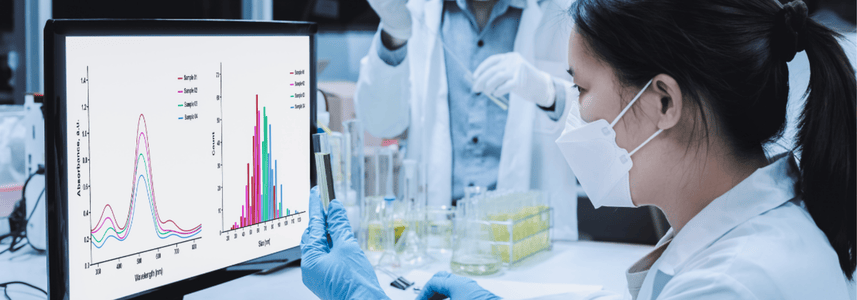
Effective cold room design is vital in the pharmaceutical industry, where the storage of temperature-sensitive products like vaccines, insulin, and biologics directly impacts their quality, efficacy, and safety. For instance, vaccines often require storage at 2-8°C to maintain their potency, while certain biologics might need sub-zero temperatures. These specific requirements underscore the importance of precise temperature regulation and robust monitoring systems in cold room design. By integrating automation, sensors, and Internet of Things (IoT) technology into cold room systems, pharmaceutical companies can achieve real-time monitoring, enhanced control, and compliance with regulatory standards. This article delves into the role of these technologies in improving pharmaceutical cold storage systems and provides examples to illustrate their application.
The Role of Automation in Cold Room Design
Automation plays a transformative role in optimizing pharmaceutical cold room systems by reducing manual intervention and human error. Key features of automated cold room systems include:
Automated Temperature and Humidity Control
Automated systems use advanced algorithms, such as PID (Proportional-Integral-Derivative) control, to regulate temperature and humidity levels with precision. For example, PID controllers can adjust cooling output dynamically based on real-time sensor feedback, ensuring optimal conditions for storing vaccines and biologics. For instance, a pharmaceutical storage facility housing vaccines requiring 2-8°C can employ automated controls to maintain consistent conditions, ensuring product stability.
Integration with Predictive Maintenance
Automation systems equipped with predictive maintenance capabilities monitor equipment performance in real-time. Sensors detect anomalies such as temperature fluctuations or compressor inefficiencies and schedule maintenance proactively to avoid system failures. This minimizes downtime and ensures product safety.
Energy Efficiency
Automation can optimize energy consumption by regulating cooling cycles and reducing waste. Energy-efficient systems not only lower operational costs but also align with sustainability goals, an increasingly important consideration in modern pharmaceutical operations.
Harnessing IoT for Enhanced Monitoring and Control
IoT technology has revolutionized cold room management by enabling real-time monitoring, reporting, and remote access. Key benefits of IoT integration include:
Cold Room Design Real-Time Monitoring
IoT-enabled sensors continuously track critical parameters like temperature, humidity, and airflow. For example, an IoT system in a pharmaceutical cold room can alert facility managers to any deviations from prescribed temperature ranges, allowing immediate corrective action.
Data Logging and Reporting
IoT systems automatically log temperature and humidity data, ensuring compliance with Health Sciences Authority (HSA) regulations and Good Manufacturing Practice (GMP) standards. This data is invaluable for audits, inspections, and maintaining product traceability.
Remote Accessibility
IoT systems provide remote access to monitoring data via mobile devices or cloud-based platforms. This capability allows stakeholders to oversee storage conditions from anywhere, enhancing operational oversight and enabling swift responses to potential issues.
Case Study: IoT Integration in a Vaccine Storage Facility
A leading pharmaceutical company implemented IoT-enabled monitoring systems in its vaccine cold storage facility. The system included:
- Temperature sensors: Provided real-time data with an accuracy of ±0.5°C.
- Cloud-based platform: Offered remote access to data and generated automated compliance reports.
- Alarm systems: Triggered alerts for temperature excursions, ensuring timely corrective actions.
The result was a 30% reduction in product losses due to temperature deviations and improved regulatory compliance.
Examples of Automation and IoT Technologies in Cold Room Design
Advanced Refrigeration Systems
Modern refrigeration systems equipped with IoT sensors provide precision temperature control and energy efficiency. For example, variable-speed compressors adjust cooling intensity based on real-time storage conditions, minimizing energy use without compromising temperature stability.
Smart Cold Room Design Solutions
Smart systems integrate automation with IoT to manage temperature and humidity proactively. These systems predict and adjust conditions dynamically, reducing the risk of human error and ensuring optimal storage environments.
Cold Chain Packaging
Innovative packaging solutions, such as phase change materials (PCMs) and vacuum-insulated panels (VIPs), work in tandem with IoT sensors to maintain stable temperatures during transportation. IoT devices track shipment conditions, ensuring products remain within required temperature ranges throughout the supply chain.
Meeting Regulatory Standards with Technology
Compliance with stringent HSA and GMP guidelines is critical for pharmaceutical cold storage facilities. Automation and IoT technologies facilitate compliance by:
- Ensuring precise temperature control: Automated systems maintain defined temperature ranges for various pharmaceutical products.
- Providing comprehensive documentation: IoT systems log and store detailed temperature data for regulatory audits.
- Streamlining inspections: Real-time monitoring and predictive maintenance ensure facilities meet regulatory standards consistently.
Future Trends in Pharmaceutical Cold Room Design
As technology advances, pharmaceutical cold storage systems will continue to evolve. Emerging trends include:
- Artificial Intelligence (AI) Integration: AI-driven analytics can predict equipment failures and optimize storage conditions more effectively.
- Blockchain Technology: Enhances traceability and transparency in cold chain logistics.
- Sustainability Innovations: Eco-friendly refrigeration solutions and renewable energy integration.
Conclusion
Integrating automation and IoT technology into pharmaceutical cold room systems is essential for ensuring product quality, regulatory compliance, and operational efficiency. These technologies offer real-time monitoring, precise control, and predictive capabilities, transforming how temperature-sensitive products are stored and managed.
By adopting these innovations, pharmaceutical companies can safeguard public health, reduce costs, and enhance their competitive edge. For expert assistance in designing or upgrading your pharmaceutical cold room, contact Kiat Lay Coldroom Specialists.