


Impact of Climate Change on Cold Storage Needs
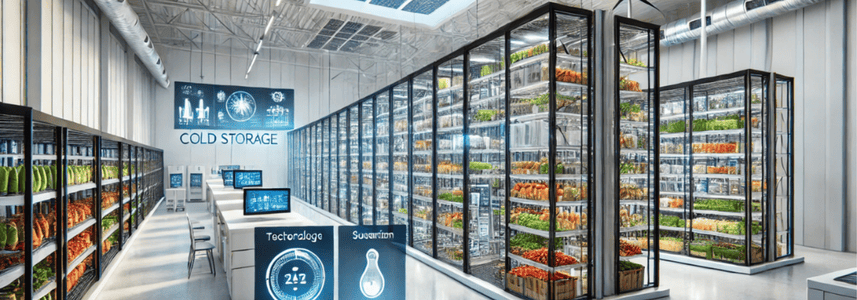
Climate change is no longer just an environmental issue but a pressing economic and operational challenge for industries worldwide. As global temperatures rise and weather patterns shift, the demand for cold room facilities has grown significantly. From food preservation to pharmaceutical storage, businesses rely on these facilities to maintain precise temperature control. In this article, we will explore the specific ways that climate change is affecting cold storage needs, along with innovative solutions that the industry is adopting to meet these challenges.
The Rising Demand for Cold Storage Due to Climate Change
Industries that depend on temperature-sensitive goods are facing heightened risks as climate change accelerates. As temperatures increase, products like fresh produce, dairy, seafood, and pharmaceuticals are more vulnerable to spoilage. The Food and Agriculture Organization (FAO) highlights that food wastage due to improper storage is already a significant issue, and the increasing temperatures caused by climate change only exacerbate the problem.
In particular, tropical and subtropical regions are experiencing more extreme heat and humidity, which directly increases the demand for cold storage facilities. In these areas, spoilage rates for perishable goods can rise by up to 30% without adequate temperature control. This has led to the development of larger, more advanced cold storage facilities that can maintain the integrity of food products despite rising ambient temperatures.
Moreover, the healthcare industry is also experiencing a surge in demand for cold storage. With the growing reliance on vaccines, biologics, and temperature-sensitive drugs, cold storage is essential for maintaining the efficacy of these products. For example, certain COVID-19 vaccines require ultra-low temperatures (-70°C), and improper storage can render them ineffective. This trend is expected to continue as more advanced, temperature-sensitive therapies, including gene and cell therapies, enter the market.
Energy Consumption and the Sustainability Challenge
One of the most critical challenges associated with the rising demand for cold storage is energy consumption. The refrigeration process is energy-intensive, and as the number of cold storage facilities increases, so does the demand for electricity. According to the International Institute of Refrigeration (IIR), refrigeration accounts for approximately 17% of global electricity consumption, a figure that is projected to grow as the world becomes hotter.
Unfortunately, this increased energy consumption contributes to the very problem cold storage is trying to mitigate—climate change. Higher energy demand leads to higher emissions, particularly in regions where electricity is still heavily reliant on fossil fuels. Therefore, improving energy efficiency in cold storage facilities has become a priority for both environmental and economic reasons.
Innovations in Cold Storage Design to Combat Climate Change
To meet the growing demand for cold storage while reducing energy consumption and environmental impact, the industry is turning to innovative design and technological advancements. These innovations not only help reduce operational costs but also ensure that facilities are resilient in the face of climate change.
1. Advanced Insulation Materials
Insulation is one of the most effective ways to improve energy efficiency in cold storage facilities. Traditional insulation materials are being replaced with high-performance solutions like vacuum-insulated panels (VIPs) and phase change materials (PCMs). VIPs have extremely low thermal conductivity, which allows them to maintain lower internal temperatures with less energy consumption. A study shows that VIPs are important for reducing heat loss in heating and cooling systems because they provide better insulation than traditional materials like glass wool and foam.
On the other hand, PCMs absorb and release heat at specific temperatures, maintaining stable internal conditions even during power outages or equipment failures. This is particularly valuable in regions prone to power disruptions caused by extreme weather events like heatwaves or hurricanes.
2. Smart Temperature Monitoring Systems
The integration of smart technology in cold storage facilities has been transformative. IoT-enabled sensors and real-time monitoring systems allow facility managers to track and adjust temperature, humidity, and air quality remotely. These systems are essential for maintaining precise temperature control and minimizing spoilage. Companies such as Danfoss and Honeywell offer advanced IoT monitoring systems that provide real-time data, alerting operators to potential issues before they lead to product losses.
In addition, AI-driven predictive analytics can forecast potential equipment failures or energy spikes, allowing operators to implement preventive maintenance. This reduces downtime and energy wastage, making facilities more efficient and resilient to climate-induced challenges.
3. Renewable Energy Integration
Cold room facilities are also increasingly turning to renewable energy sources to power their operations. Solar-powered cold storage facilities, in particular, are gaining popularity. Solar photovoltaic (PV) systems can be installed on rooftops or adjacent land, allowing facilities to harness clean energy to power their refrigeration units. Solar energy is especially useful in hot climates, where abundant sunlight can help offset the increased energy demand.
In colder climates, wind power is being integrated into cold room facility operations. Wind turbines can generate electricity to supplement or even replace grid power, reducing reliance on fossil fuels. Hybrid systems that combine solar and wind energy with traditional power sources offer reliable and sustainable solutions for cold storage facilities in various environments.
Cold Chain Logistics: Meeting the Challenges of Hotter Climates
Maintaining the integrity of perishable goods and temperature-sensitive products during transportation is a significant challenge as climate change drives hotter temperatures. The cold chain—the process of managing temperature-sensitive products from the point of origin to the final destination—faces new obstacles, particularly during longer journeys and in regions with underdeveloped infrastructure.
To address these challenges, the industry is adopting advanced insulated packaging and temperature-controlled containers. Insulated containers made from vacuum-insulated panels can maintain stable temperatures for up to 96 hours, even in extreme external conditions. Phase change materials are also used in packaging to maintain specific temperature ranges during transit, ensuring that products arrive in optimal condition despite fluctuating external temperatures.
Moreover, temperature-controlled vehicles equipped with refrigerated units and real-time tracking systems are becoming standard in cold chain logistics. These vehicles are designed to maintain consistent temperatures throughout the transportation process, minimizing the risk of spoilage or temperature deviations.
Meeting Regulatory Standards in a Changing Climate
As climate change continues to affect cold storage, regulatory bodies around the world are tightening standards to ensure the safe storage of temperature-sensitive products. In Singapore, the Health Sciences Authority (HSA) has established stringent guidelines for the storage of pharmaceuticals, requiring cold storage facilities to maintain precise temperature control, monitoring, and documentation.
Facilities must adhere to Good Distribution Practices (GDP) and Good Manufacturing Practices (GMP) to ensure the quality and safety of pharmaceuticals. This includes the implementation of temperature monitoring systems, regular equipment maintenance, and staff training on handling temperature-sensitive products. These regulations are crucial for protecting public health, particularly as climate change increases the risks of temperature fluctuations and power disruptions.
Additionally, cold storage operators must comply with environmental regulations aimed at reducing greenhouse gas emissions. For example, the Montreal Protocol and subsequent amendments have placed restrictions on the use of high-global-warming-potential refrigerants, encouraging the adoption of natural refrigerants like ammonia and CO2.
Preparing for the Future of Cold Storage
The impact of climate change on cold storage needs is clear and pressing. Rising temperatures, extreme weather events, and increased energy demands are all driving the need for more resilient, efficient, and sustainable cold room facility solutions. By embracing innovative technologies, improving energy efficiency, and adhering to regulatory standards, the cold storage industry can continue to meet the challenges posed by a changing climate.
For businesses looking to upgrade or expand their cold storage infrastructure, Kiat Lay Coldroom Specialists offers tailored solutions to meet the evolving demands of climate change. Whether it’s designing energy-efficient systems, integrating smart technologies, or ensuring compliance with regulatory standards, Kiat Lay provides expert guidance to help future-proof your cold storage operations.