


Cold Room Maintenance: Preventing Equipment Failures in Pharmaceutical Storage
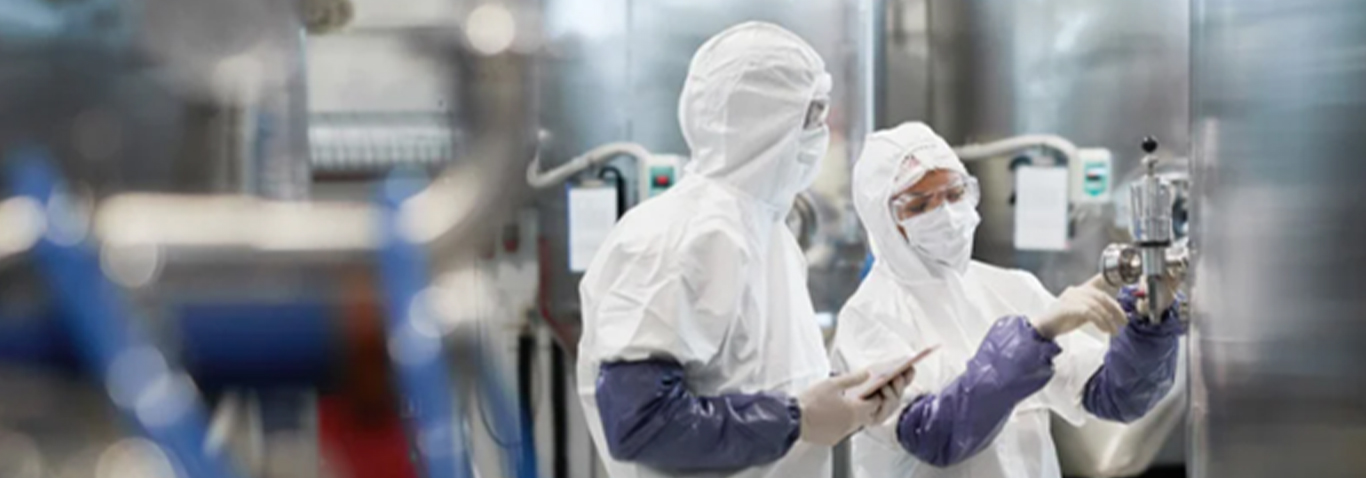
In the pharmaceutical industry, maintaining consistent and precise storage temperatures isn’t just a best practice—it’s a critical necessity. Cold rooms and freezer storage units house temperature-sensitive products such as vaccines, insulin, and other biological samples that can quickly degrade if exposed to suboptimal conditions. Equipment failure in these controlled environments can result in devastating product losses, regulatory issues, and risks to public health. This is why a strong cold room maintenance strategy is essential.
In this article, we’ll explore how routine maintenance, early detection of issues, and emergency response protocols can help prevent cold room failures in pharmaceutical storage environments.
1. Routine Maintenance Schedules for Pharmaceutical Cold Rooms
A regular maintenance routine is the backbone of reliable cold storage. Specifically, pharmaceutical-grade cold rooms must operate within strict temperature ranges—often between 2°C to 8°C for refrigerated storage and -20°C or lower for freezer rooms. Therefore, to maintain these conditions consistently, scheduled maintenance should be conducted monthly, quarterly, and annually.
Key Routine Maintenance Tasks Include:
- Calibration of Temperature Sensors and Thermostats: Regular calibration ensures that temperature readings are accurate and alarms are triggered at the right thresholds.
- Inspection of Door Seals and Gaskets: Cracks or wear in seals can cause temperature fluctuations and energy inefficiency. This should be checked and replaced if needed.
- Cleaning of Condenser and Evaporator Coils: Dust and debris on coils reduce heat transfer efficiency, leading to compressor overwork and eventual failure.
- Checking Refrigerant Levels and Compressor Function: Low refrigerant levels can cause temperature instability. Technicians should inspect and refill as needed.
- Verification of Backup Power Systems: Ensure that generators or uninterruptible power supply (UPS) systems are functional and can support operations during a power outage.
Example:
A pharmaceutical distribution center in Singapore managed by a regional logistics firm avoided a costly shutdown by adhering to a quarterly preventive maintenance schedule. During one routine check, technicians discovered a slow refrigerant leak in a freezer room unit. Prompt repair prevented a potential failure during the peak dengue vaccination season, saving thousands of vaccine doses from being compromised.
2. Identifying Early Warning Signs of Temperature Fluctuations
Detecting issues before they escalate is a key component of cold room risk management. Temperature fluctuations can be subtle at first but often precede equipment malfunction. Monitoring systems and trained personnel play a crucial role in catching these early indicators.
Common Early Warning Signs:
- Unusual Compressor Noise: Irregular or loud compressor sounds may indicate mechanical wear or refrigerant flow issues.
- Frequent Alarm Triggers: If temperature alarms are going off more frequently, even for minor deviations, it may be a sign of failing insulation, a weakening compressor, or environmental interference.
- Ice Build-up in Unusual Areas: Frost or ice accumulation, especially around the evaporator coil or door seals, can mean airflow issues or malfunctioning defrost cycles.
- Slight Temperature Drifts: Any trend of gradual temperature increase or fluctuation, even within the accepted range, should be investigated.
Tip: Invest in remote temperature monitoring systems that offer real-time data logging and alerts. These systems not only detect fluctuations early but also provide analytics to identify recurring trends or systemic inefficiencies.
Case Study:
A biotechnology lab using an advanced temperature monitoring solution noticed consistent overnight temperature drifts of 1–2°C in one cold room. Analysis of the data revealed that cleaning staff were accidentally leaving the door ajar during their shift. A simple training intervention and installation of an automatic door-closing mechanism resolved the issue and restored full compliance.
3. Emergency Response Strategies for Freezer Room Failures
Even with the best maintenance plans, emergencies can happen. From unexpected power outages to sudden compressor failures, having a clear and practiced emergency response plan ensures that pharmaceutical products remain protected in a crisis.
Key Components of an Emergency Response Plan:
- Defined Roles and Contacts: Assign team members to oversee equipment, product relocation, and communication with vendors or service providers.
- Cold Chain Backup Storage: Maintain access to backup cold rooms or portable refrigeration units to transfer stock during major failures.
- Emergency Power Supply: Ensure that cold rooms are connected to backup power and that the changeover process is seamless and regularly tested.
- Temperature Hold Time Awareness: Understand how long each cold room or freezer can maintain temperature without power or active cooling. This helps prioritize emergency actions.
- Pre-arranged Service Contracts: Partner with refrigeration specialists like Kiat Lay who offer 24/7 emergency support and fast on-site diagnostics.
Example:
In 2023, a pharmaceutical wholesaler in Johor experienced a prolonged blackout due to a substation fire. Thanks to their well-practiced emergency plan, they immediately activated backup generators and moved high-risk products to a nearby facility equipped with cold storage. Their pre-arranged service partner arrived within two hours to assess and restore their freezer room. Not a single vial was lost during the incident.
Final Thoughts
Proper cold room maintenance in the pharmaceutical sector isn’t just about extending equipment life—it’s about ensuring the integrity, safety, and efficacy of critical healthcare products. By investing in a comprehensive maintenance schedule, implementing systems for early fault detection, and preparing for emergencies, companies can safeguard their operations against costly and dangerous failures.
Kiat Lay, a trusted name in cold room solutions in Singapore, offers tailored maintenance services, emergency support, and advanced temperature monitoring solutions that help pharmaceutical businesses stay compliant and confident. Whether you manage a hospital pharmacy, a biotech lab, or a distribution warehouse, Kiat Lay’s expertise ensures that your cold chain never breaks.
Need expert help to set up or maintain your pharmaceutical cold room?
Contact Kiat Lay today for a consultation and discover how we can help you build a more resilient cold storage system.