


Reducing Risks: How Proper Cold Storage Prevents Contamination in Pharmaceutical Products
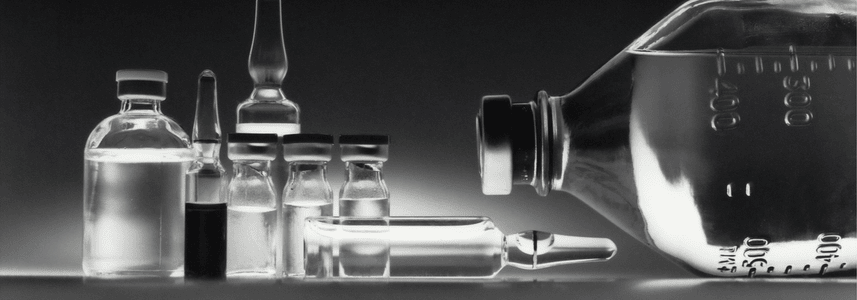
The pharmaceutical industry is a cornerstone of global health, ensuring that life-saving medications and treatments are accessible. However, maintaining the efficacy and safety of pharmaceutical products, particularly biologics and gene therapies, hinges on proper cold room storage practices. Improper storage can lead to contamination, loss of potency, and significant risks to patient health. Let’s delve into the specialized cold storage needs of these sensitive products and explore how robust systems mitigate risks.
The Unique Storage Needs of Biologics and Gene Therapies
Biologics and gene therapies represent the forefront of medical innovation, offering solutions for conditions that were previously untreatable. However, their complex structures make them highly sensitive to temperature variations. Unlike traditional small-molecule drugs, these therapies require stringent environmental controls to preserve their integrity and effectiveness.
- Strict Temperature Requirements: Biologics, including various cell and gene therapies, often require storage temperatures between -80°C and -196°C. For instance, CAR T-cell therapies specifically demand cryogenic storage at temperatures below -150°C to ensure cell viability and therapeutic effectiveness.
- Stability Challenges: Factors like light, humidity, and oxygen exposure can compromise these products. Hence, cold storage environments must also control these parameters. For example, monoclonal antibodies used in targeted cancer therapies are highly susceptible to aggregation when exposed to fluctuating conditions.
- Example: Moderna’s vaccine is stored at −50°C to −15°C (commonly around −20°C) for up to six months. It can also be kept in a refrigerator (2°C to 8°C) for up to 30 days. It highlights the necessity for advanced ultra-cold freezers and well-maintained cold chains.
How Proper Cold Room Storage Reduces Contamination Risks
Contamination is a significant concern in pharmaceutical cold storage. It can result from microbial growth, particulate matter, or chemical impurities. Implementing robust cold storage practices is vital to mitigating these risks.
1. Advanced Temperature Monitoring for Cold Room Storage
Maintaining the correct temperature is essential to prevent contamination and preserve product efficacy.
- Real-Time Monitoring: Modern cold storage systems employ sensors and data loggers to continuously track temperature. These systems include automated alerts sent via SMS or email when deviations occur, ensuring rapid response times.
2. Regulatory Compliance
Adherence to guidelines set by regulatory bodies, such as Singapore’s Health Sciences Authority (HSA) and the World Health Organization (WHO), is critical.
- GMP Standards: Cold storage rooms must comply with Good Manufacturing Practices (GMP), ensuring cleanliness and avoiding cross-contamination. GMP guidelines mandate routine validation protocols and stringent maintenance schedules.
- Uniform Cooling: Ensuring even temperature distribution prevents hotspots where contaminants may thrive. Computational fluid dynamics (CFD) modeling is increasingly used to design storage rooms that guarantee optimal airflow and temperature uniformity.
3. Innovative Packaging Solutions
Cold chain packaging plays a pivotal role during transportation and storage.
- Phase Change Materials (PCMs): These materials are engineered to maintain specific temperature ranges. For instance, PCMs in vaccine carriers for rural distribution have extended the shelf life of temperature-sensitive products by up to 48 hours during power outages.
- Vacuum-Insulated Panels (VIPs): These offer superior insulation, minimizing the risk of contamination during transit. VIP technology was crucial in the successful delivery of Ebola vaccines to remote regions in Africa.
4. Automated Systems for Predictive Maintenance
Preventive measures are better than reactive solutions. Automated systems can predict potential equipment failures, minimizing downtime and contamination risks.
- Example: A prominent pharmaceutical company utilized predictive analytics to monitor compressor performance in their cold storage facilities. This method significantly reduced equipment failure incidents, ensuring consistent temperature control.
The Role of Cold Chain Specialists
Collaborating with experts like Kiat Lay Coldroom Specialists ensures that storage facilities meet industry standards.
- Custom Solutions: Specialists design cold rooms tailored to specific pharmaceutical requirements, incorporating advanced features like automated temperature regulation, remote monitoring, and backup power systems.
- Regulatory Support: Experienced contractors ensure compliance with stringent regulations, including HSA and WHO guidelines, streamlining audits and inspections.
- Case in Point: Kiat Lay Coldroom Specialists assisted a multinational pharmaceutical company in Singapore by upgrading their cold storage facilities with high-efficiency refrigeration systems and integrating IoT-enabled monitoring tools. This led to a reduction in energy costs while enhancing compliance metrics.
The Importance of Training and Quality Control
Human error is a common source of contamination. Comprehensive training and stringent quality control measures are crucial.
- Staff Training: Personnel must understand the importance of adhering to temperature protocols and responding swiftly to deviations. Training programs certified by organizations like the International Society for Pharmaceutical Engineering (ISPE) enhance competency.
- Regular Audits: Routine checks of storage facilities using standardized audit tools, such as those from the United Nations’ Program for Quality Assurance in Cold Storage (UN-PQACS), ensure sustained compliance and operational efficiency.
Future Trends in Cold Room Storage for Pharmaceuticals
Technological advancements are shaping the future of pharmaceutical cold storage, promising enhanced safety and efficiency.
- IoT Integration: The Internet of Things (IoT) enables smarter cold rooms, with sensors providing real-time analytics and remote management capabilities.
- Sustainable Solutions: Energy-efficient refrigeration systems, such as those using natural refrigerants like CO2, reduce operational costs while aligning with environmental goals. These systems comply with global initiatives like the Kigali Amendment to phase down hydrofluorocarbons (HFCs).
- Blockchain for Transparency: Blockchain technology improves traceability in the cold chain, ensuring products remain uncontaminated from production to delivery. For example, IBM’s Food Trust platform has been adapted for pharmaceuticals, providing tamper-proof records of temperature data across the supply chain.
Conclusion
Proper cold room storage is the linchpin of pharmaceutical safety and efficacy, particularly for sensitive biologics and gene therapies. Advanced technologies, stringent regulatory adherence, and expert collaboration are essential to mitigating contamination risks. As the pharmaceutical industry evolves, investments in innovative and reliable cold storage solutions will remain critical to safeguarding public health.
For tailored cold storage solutions that prioritize safety and compliance, contact Kiat Lay Coldroom Specialists today. Their expertise ensures your pharmaceutical products are stored under optimal conditions, reducing risks and preserving quality.