


Disaster Recovery Plans for Pharmaceutical Cold Storage
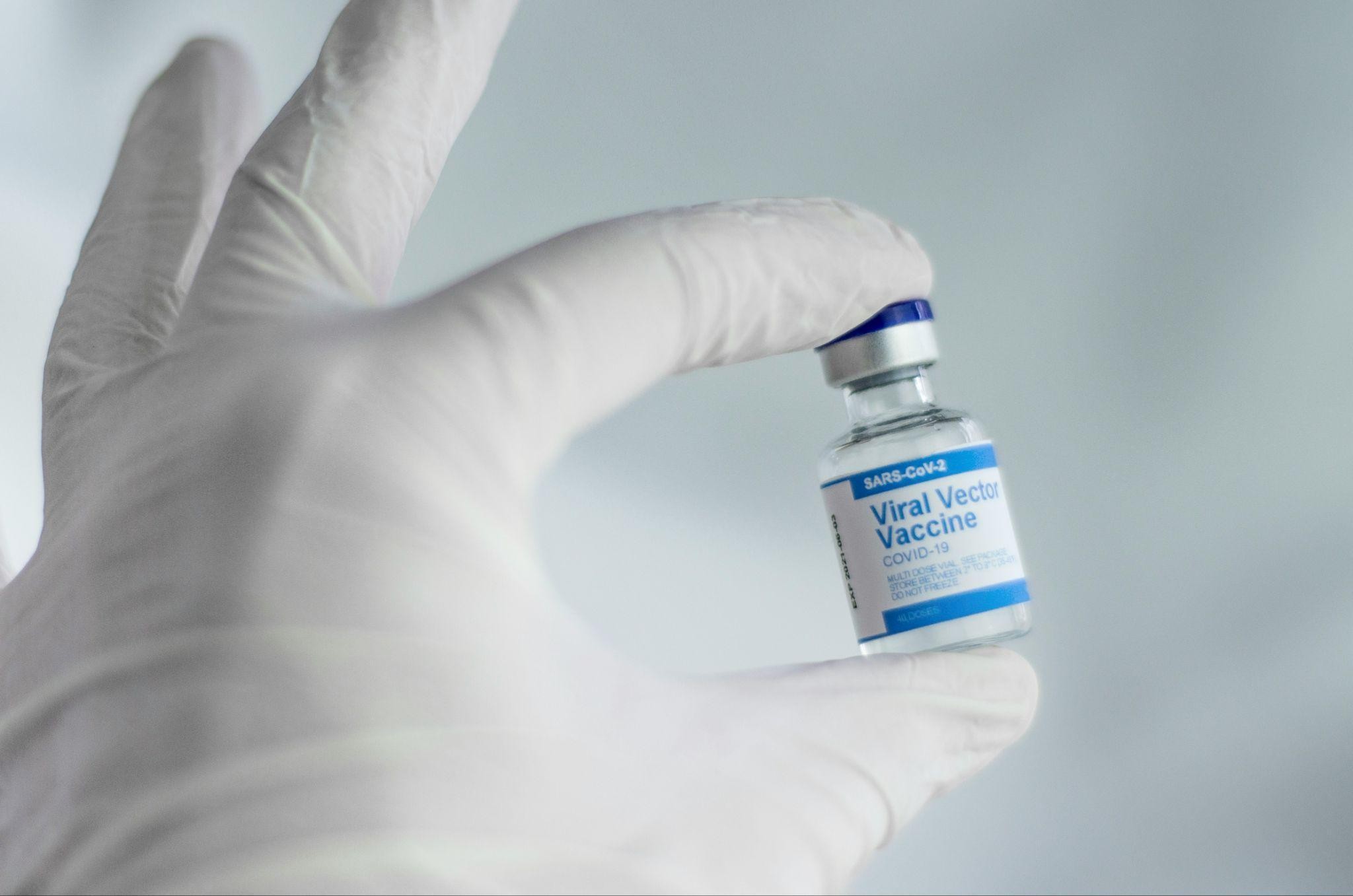
Maintaining the integrity of temperature-sensitive products is not just a regulatory requirement but a critical aspect of ensuring patient safety and product efficacy. However, unforeseen emergencies such as power outages, equipment failures, or natural disasters can disrupt cold room facility operations, jeopardizing the quality of pharmaceutical products. To mitigate these risks, pharmaceutical companies must implement robust disaster recovery plans. This article explores key strategies, backup solutions, and real-world examples to help businesses prepare for and respond to emergencies effectively.
The Importance of Disaster Recovery Plans for Cold Room Facility
Pharmaceutical products such as vaccines, insulin, and antibiotics are highly sensitive to temperature fluctuations. Even a minor deviation from the required storage conditions can render these products ineffective or unsafe for use. For instance, insulin must be stored between 2°C and 8°C, while certain vaccines require ultra-cold storage at -70°C. A disaster recovery plan ensures that these critical temperature ranges are maintained, even during emergencies, safeguarding both product quality and public health.
Key Components of a Disaster Recovery Plan for Cold Room Facility
-
Backup Power Systems
Power outages are one of the most common threats to cold storage facilities. To address this, pharmaceutical companies should invest in uninterruptible power supply (UPS) systems and backup generators.
- UPS Systems: Provide immediate power during short-term outages, allowing time for generators to activate.
- Backup Generators: Ensure continuous power supply during prolonged outages. Regular testing and maintenance of these systems are essential to guarantee their reliability.
- Example: A pharmaceutical company in Singapore experienced a city-wide power outage but avoided product loss by using a combination of UPS systems and diesel generators. Their disaster recovery plan included weekly generator tests, ensuring seamless operation during the emergency.
-
Temperature Monitoring and Alarms
Advanced temperature monitoring systems are critical for detecting deviations in real-time. These systems should include:
- Real-Time Sensors: Continuously track temperature and humidity levels.
- Alarm Systems: Notify staff immediately if conditions fall outside the acceptable range.
- Remote Access: Enable off-site monitoring for quick response, even outside business hours.
-
Alternative Storage Options
Having access to alternative storage facilities is crucial during emergencies. Options include:
- Portable Cold Storage Units: Temporary solutions for short-term storage during equipment repairs.
- Partner Facilities: Agreements with nearby cold storage providers for emergency use.
- Thermal Packaging: Phase change materials (PCMs) and vacuum-insulated panels (VIPs) can maintain required temperatures during transportation to alternate sites.
-
Emergency Response Protocols for Cold Room Facility
Clear and well-documented protocols are essential for effective disaster response. Key elements include:
- Emergency Contact List: Names and numbers of key personnel, equipment suppliers, and backup storage providers.
- Step-by-Step Procedures: Detailed instructions for responding to specific scenarios, such as power outages or equipment failures.
- Regular Drills: Practice sessions to ensure staff are familiar with emergency procedures.
- Case Study: A pharmaceutical company in Indonesia conducted quarterly disaster response drills, which helped them efficiently manage a refrigeration system breakdown without product loss.
-
Regular Maintenance and Inspections
Preventive maintenance reduces the risk of equipment failures. This includes:
- Routine Inspections: Checking refrigeration units, power systems, and monitoring devices for signs of wear or malfunction.
- Predictive Maintenance: Using sensors and analytics to identify potential issues before they escalate.
- Compliance Checks: Ensuring all systems meet regulatory standards, such as those set by the Health Sciences Authority (HSA) in Singapore.
Regulatory Considerations
Pharmaceutical companies must ensure their disaster recovery plans comply with regulatory requirements. For example, the Health Sciences Authority (HSA) in Singapore mandates:
- Temperature Control: Maintaining specified ranges for different products.
- Documentation: Recording temperature data and any deviations.
- Emergency Protocols: Having contingency plans for power outages and equipment failures.
Non-compliance can result in product recalls, fines, and damage to the company’s reputation.
Technological Innovations in Disaster Recovery
Advancements in technology have enhanced the effectiveness of disaster recovery plans:
- Smart Cold Storage Systems: Use automation and AI to predict and adjust temperature conditions.
- Cloud-Based Monitoring: Provides real-time data and remote access for better oversight.
- Energy-Efficient Solutions: Reduce operational costs while ensuring reliable performance.
Conclusion
A well-designed disaster recovery plan is essential for pharmaceutical companies to protect their temperature-sensitive products and ensure business continuity. By investing in backup power systems, advanced monitoring technologies, alternative storage options, and robust emergency protocols, companies can minimize risks and maintain compliance with regulatory standards.
At Kiat Lay Coldroom Specialists, we understand the critical importance of reliable cold storage solutions. Our team of experts can help you design and implement a disaster recovery plan tailored to your specific needs. Contact us today to safeguard your pharmaceutical products and ensure uninterrupted operations.