


Energy-Efficient Cold Room System Upgrades & Cold Room Facility Innovations
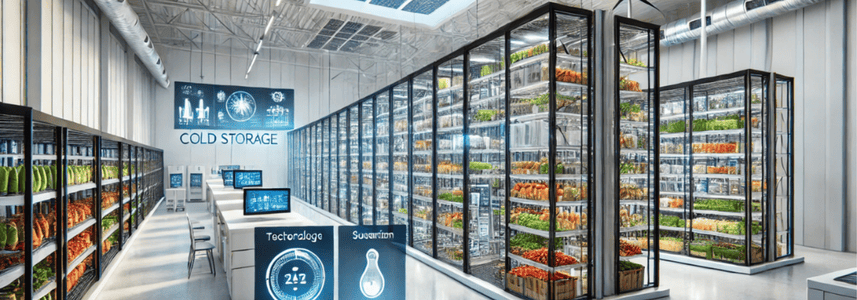
An aging cold room doesn’t always need to be replaced. In many cases, upgrading key components such as the refrigeration system, insulation, doors, lighting, and monitoring controls can significantly improve energy efficiency, lower operating costs, and extend the lifespan of your cold room.
At Kiat Lay, we specialise in designing, upgrading, and optimising cold room facilities for businesses across Singapore. Whether you’re operating a food processing facility, pharmaceutical storage, logistics warehouse, or commercial kitchen, our engineers evaluate your existing system and recommend practical improvements that enhance performance while reducing long-term energy consumption.
From refrigeration optimization and smart monitoring to insulation improvements and automated control systems, our cold room solutions are designed to improve operational efficiency while maintaining reliable temperature control for your products.
What Is an Energy-Efficient Cold Room?
An energy-efficient cold room is a temperature-controlled storage space designed to maintain the required temperature while using energy efficiently. It combines high-performance insulation, efficient refrigeration equipment, smart controls, effective airflow management and proper door sealing to minimise heat gain and unnecessary cooling demand.
Energy efficiency depends on how these components work together. A well-designed cold room can reduce heat transfer, optimise refrigeration performance, maintain stable temperatures and help control long-term operating costs.
Why Upgrade Your Existing Cold Room?
Many businesses continue using cold rooms long after their systems have become inefficient. While the structure may still be in good condition, aging refrigeration equipment, deteriorating insulation, outdated controls, or poor airflow can cause the system to consume significantly more electricity than necessary.
Rather than investing in a completely new facility, upgrading selected components can often restore efficiency while reducing both capital expenditure and operational disruption.
Your cold room may benefit from an upgrade if you experience:
- Increasing electricity bills
- Frequent compressor breakdowns
- Difficulty maintaining stable temperatures
- Excessive ice build-up or condensation
- Ageing refrigeration equipment
- Poor door sealing resulting in cold air leakage
- Expansion of storage requirements
- Rising maintenance costs
Energy efficiency is not determined by a single component. Depending on the condition of the existing cold room, targeted upgrades to insulation, refrigeration equipment, doors, controls, airflow and other components can help improve overall system performance without necessarily requiring a complete replacement.
A professional assessment helps identify where energy is being lost and which upgrades will deliver the greatest return on investment.
The Rising Demand for Cold Storage Due to Climate Change
Industries that depend on temperature-sensitive goods are facing heightened risks as climate change accelerates. As temperatures increase, products like fresh produce, dairy, seafood, and pharmaceuticals are more vulnerable to spoilage. The Food and Agriculture Organization (FAO) highlights that food wastage due to improper storage is already a significant issue, and the increasing temperatures caused by climate change only exacerbate the problem.
In particular, tropical and subtropical regions are experiencing more extreme heat and humidity, which directly increases the demand for cold storage facilities. In these areas, spoilage rates for perishable goods can rise by up to 30% without adequate temperature control. This has led to the development of larger, more advanced cold storage facilities that can maintain the integrity of food products despite rising ambient temperatures.
Moreover, the healthcare industry is also experiencing a surge in demand for cold storage. With the growing reliance on vaccines, biologics, and temperature-sensitive drugs, cold storage is essential for maintaining the efficacy of these products. For example, certain COVID-19 vaccines require ultra-low temperatures (-70°C), and improper storage can render them ineffective. This trend is expected to continue as more advanced, temperature-sensitive therapies, including gene and cell therapies, enter the market.
Energy Consumption and the Sustainability Challenge
One of the most critical challenges associated with the rising demand for cold storage is energy consumption. The refrigeration process is energy-intensive, and as the number of cold storage facilities increases, so does the demand for electricity. According to the International Institute of Refrigeration (IIR), refrigeration accounts for approximately 17% of global electricity consumption, a figure that is projected to grow as the world becomes hotter.
Unfortunately, this increased energy consumption contributes to the very problem cold storage is trying to mitigate—climate change. Higher energy demand leads to higher emissions, particularly in regions where electricity is still heavily reliant on fossil fuels. Therefore, improving energy efficiency in cold storage facilities has become a priority for both environmental and economic reasons.
What Makes a Cold Room Energy Efficient?
Energy-efficient cold rooms are designed to minimise energy consumption while maintaining precise temperature control and protecting stored products.
Rather than relying on a single piece of equipment, energy efficiency comes from optimising the entire cold room system, including refrigeration equipment, insulation, airflow, controls, lighting, and operational practices.
Some of the most effective upgrades include:
- High-efficiency refrigeration systems
- Improved insulated panels
- Better door sealing systems
- Smart temperature monitoring
- Variable-speed compressors
- LED lighting
- Automated control systems
- Preventive maintenance programmes
When these systems work together, businesses can reduce unnecessary compressor operation, improve temperature stability, and lower long-term operating costs.
Innovative Cold Room Technologies That Improve Energy Efficiency
Instead of simply incorporating the latest technology, Kiat Lay evaluates how each innovation contributes to overall refrigeration performance and energy efficiency.
High-Efficiency Refrigeration Components
Variable-speed or inverter-driven compressors adjust cooling capacity according to the actual refrigeration load, helping reduce unnecessary compressor operation when full cooling capacity is not required.
Other refrigeration components can also contribute to system efficiency. Electronically commutated (EC) fan motors can reduce electricity consumption compared with conventional fan motors, while electronic expansion valves (EEVs) provide more precise refrigerant flow and superheat control. Properly selected evaporators and condensers can further support efficient heat transfer and refrigeration performance.
Demand-Based Defrost
For freezer applications, frost accumulation on evaporator coils can restrict airflow and reduce heat transfer efficiency. Traditional time-based defrost systems may activate even when defrosting is not necessary.
Demand-based defrost controls can initiate defrost according to actual operating conditions, helping minimise unnecessary defrost cycles while maintaining evaporator performance. This can reduce defrost-related energy consumption and support more efficient freezer operation.
Smart Controls and Remote Monitoring
Smart controls can monitor temperature, humidity, equipment performance and energy consumption in real time. Remote monitoring and automated alerts can help identify temperature deviations, abnormal equipment behaviour and potential faults before they result in significant energy waste or downtime.
Energy-Efficient LED Lighting
LED lighting uses less electricity and generates less heat than conventional lighting, helping reduce both lighting consumption and the additional cooling load inside the cold room. Occupancy or motion sensors can further improve efficiency by automatically switching lights off when the room is unoccupied.
Reducing air infiltration helps maintain consistent temperatures while lowering compressor operating time.
High-Performance Insulation and Thermal Protection
The cold room envelope plays an important role in controlling heat transfer from the surrounding environment. High-performance insulation helps maintain the required internal temperature while reducing the workload placed on the refrigeration system.
PU and PIR Insulated Panels
Polyurethane (PU) and polyisocyanurate (PIR) insulated panels provide high thermal resistance and help minimise heat transfer through the walls and ceiling. Properly sealed panel joints and connections are equally important, as gaps can allow warm air infiltration and increase the refrigeration load.
Reducing Thermal Bridging
Thermal bridging can occur when heat bypasses insulation through structural connections, joints or other areas of the cold room envelope. Proper panel installation, sealing and detailing can minimise these heat transfer points and improve overall thermal performance.
Insulated Cold Room Flooring
Cold room flooring should also be properly insulated to minimise heat transfer from the ground or surrounding structure. For freezer applications, appropriate floor insulation and design can also help manage the risk of sub-slab freezing and frost-related structural issues.
Reduce Heat Gain Through Better Door Management
Every time a cold room door opens, warm and humid ambient air can enter the space, increasing the refrigeration load. Minimising unnecessary door opening and using appropriate door management solutions can therefore improve energy efficiency, particularly in high-traffic cold rooms.
Antechambers and Airlocks
For facilities with frequent movement of personnel or goods, an antechamber or buffer zone can provide an additional barrier between the ambient environment and the cold room.
This can reduce direct warm-air infiltration when the main cold room door is opened and may be particularly useful for larger cold storage facilities, distribution centres and other high-traffic applications.
Optimised Airflow and Product Arrangement
Efficient refrigeration also depends on maintaining proper airflow throughout the cold room. Even an energy-efficient refrigeration system can consume more energy if airflow is restricted by poor product placement or excessive stacking.
To maintain effective air circulation:
- Keep sufficient clearance around evaporators and air outlets.
- Avoid blocking evaporator air intake and discharge areas.
- Leave adequate space between pallets, products and walls.
- Follow recommended maximum stacking heights.
- Avoid placing products directly against evaporator units.
- Arrange stored goods to allow cold air to circulate evenly throughout the room.
Proper airflow helps maintain consistent temperatures and prevents the refrigeration system from working harder than necessary to compensate for restricted circulation.
Cold Room Upgrade vs Complete Replacement
Not every aging cold room requires complete replacement.
Many facilities can achieve significant performance improvements through targeted upgrades while retaining their existing structure.
|
Upgrade Existing Cold Room |
Replace Entire Cold Room |
|
Lower investment cost |
Higher capital expenditure |
|
Minimal operational downtime |
Longer project timeline |
|
Extends equipment lifespan |
Complete facility replacement |
|
Suitable for structurally sound cold rooms |
Recommended when structural integrity is compromised |
At Kiat Lay, we begin every project with a technical assessment to determine whether upgrading or replacing your cold room provides the best long-term value.
Rather than recommending unnecessary replacements, our engineers develop practical solutions based on your operational requirements, equipment condition, and future business needs.
Preventive Maintenance for Long-Term Efficiency
Regular maintenance is essential for maintaining cold room energy efficiency over time. Dirty condenser and evaporator coils, damaged door gaskets, refrigerant issues and frost accumulation can force refrigeration equipment to work harder and consume more energy.
Regular checks should include:
- Cleaning condenser and evaporator coils
- Inspecting door seals and gaskets
- Checking refrigerant charge and potential leaks
- Checking evaporator fans
- Verifying defrost operation
- Inspecting compressors and refrigeration controls
- Monitoring temperature performance
- Scheduling preventive maintenance
Operational Practices to Reduce Cold Room Energy Consumption
Energy efficiency also depends on how the cold room is operated. Businesses can reduce unnecessary refrigeration loads by following practical operating practices.
- Minimise door opening: Keep cold room doors closed whenever possible and avoid leaving them open during loading and unloading.
- Pre-cool products where appropriate: Pre-cooling products before placing them inside the cold room can reduce the amount of heat the refrigeration system needs to remove.
- Avoid overloading: Exceeding the intended storage capacity can restrict airflow and make it more difficult to maintain the required temperature.
- Maintain proper product spacing: Leave sufficient clearance between stored products, walls and evaporators to support effective air circulation.
- Monitor temperature performance: Regularly review temperature readings and system alerts to identify unusual fluctuations or equipment issues early.
Benefits of Energy-Efficient Cold Room System Upgrades
Investing in an energy-efficient cold room upgrade goes beyond reducing electricity consumption. A well-designed upgrade improves operational reliability, lowers maintenance costs, protects stored products, and prepares your facility for future business growth.
Lower Energy Consumption
Older refrigeration systems often consume more electricity due to inefficient compressors, poor insulation, outdated controls, or air leakage. Upgrading these components helps reduce unnecessary energy usage while maintaining consistent cooling performance.
Reduced Operating Costs
Improving refrigeration efficiency can lower ongoing operating expenses by reducing compressor runtime, minimising equipment strain, and decreasing maintenance requirements. These long-term savings can help offset the cost of the upgrade over time.
Better Temperature Stability
Consistent temperatures are essential for preserving food quality, pharmaceutical products, chemicals, and other temperature-sensitive goods. Upgraded refrigeration systems and smart controls help maintain stable storage conditions even during periods of high operational demand.
Improved Equipment Reliability
Modern refrigeration equipment operates more efficiently while placing less stress on system components. This can reduce unexpected breakdowns, minimise downtime, and extend the lifespan of your cold room equipment.
Support Sustainability Goals
Energy-efficient cold rooms consume less electricity and contribute to lower carbon emissions. For businesses working towards sustainability initiatives or ESG goals, upgrading existing facilities can be a practical step towards reducing environmental impact without replacing the entire cold room.
Cold Room Upgrade Solutions for Different Industries
Every industry has unique cold storage requirements. Kiat Lay designs energy-efficient cold room upgrades based on your operational processes, temperature requirements, and compliance standards.
Food & Beverage
Food manufacturers, central kitchens, restaurants, and distributors rely on stable temperatures to preserve freshness and maintain food safety. We optimise refrigeration systems to improve efficiency while supporting daily operational demands.
Pharmaceutical & Healthcare
Pharmaceutical cold storage requires reliable temperature control to protect vaccines, medicines, laboratory samples, and healthcare products. Our solutions prioritise consistent performance, monitoring capabilities, and equipment reliability.
Logistics & Cold Chain Warehousing
Distribution centres and logistics operators require efficient cold rooms that can withstand frequent door openings and high product movement. Our upgrade solutions improve airflow management, reduce cold air loss, and optimise refrigeration performance.
Hospitality
Hotels, commercial kitchens, catering companies, and food service operators benefit from energy-efficient refrigeration systems that reduce operating costs while maintaining reliable storage conditions.
Industrial Manufacturing
Manufacturing facilities storing temperature-sensitive materials can improve operational efficiency through upgraded refrigeration equipment, insulation systems, and automated monitoring technologies.
Meeting Regulatory Standards in a Changing Climate
As climate change continues to affect cold storage, regulatory bodies around the world are tightening standards to ensure the safe storage of temperature-sensitive products. In Singapore, the Health Sciences Authority (HSA) has established stringent guidelines for the storage of pharmaceuticals, requiring cold storage facilities to maintain precise temperature control, monitoring, and documentation.
Facilities must adhere to Good Distribution Practices (GDP) and Good Manufacturing Practices (GMP) to ensure the quality and safety of pharmaceuticals. This includes the implementation of temperature monitoring systems, regular equipment maintenance, and staff training on handling temperature-sensitive products. These regulations are crucial for protecting public health, particularly as climate change increases the risks of temperature fluctuations and power disruptions.
Additionally, cold storage operators must comply with environmental regulations aimed at reducing greenhouse gas emissions. For example, the Montreal Protocol and subsequent amendments have placed restrictions on the use of high-global-warming-potential refrigerants, encouraging the adoption of natural refrigerants like ammonia and CO2.
Preparing for the Future of Cold Storage
The impact of climate change on cold storage needs is clear and pressing. Rising temperatures, extreme weather events, and increased energy demands are all driving the need for more resilient, efficient, and sustainable cold room facility solutions. By embracing innovative technologies, improving energy efficiency, and adhering to regulatory standards, the cold storage industry can continue to meet the challenges posed by a changing climate.
For businesses looking to upgrade or expand their cold storage infrastructure, Kiat Lay Coldroom Specialists offers tailored solutions to meet the evolving demands of climate change. Whether it’s designing energy-efficient systems, integrating smart technologies, or ensuring compliance with regulatory standards, Kiat Lay provides expert guidance to help future-proof your cold storage operations.
Why Choose Kiat Lay for Cold Room System Upgrades?
With decades of experience in refrigeration engineering and cold room construction, Kiat Lay delivers practical, energy-efficient solutions tailored to each client’s operational requirements.
Unlike one-size-fits-all solutions, every upgrade begins with a detailed assessment of your existing cold room to identify where efficiency improvements will have the greatest impact.
Our team supports businesses throughout every stage of the project – from engineering consultation and system design to installation, commissioning, and ongoing maintenance.
Our capabilities include:
- Cold room design and construction
- Cold room retrofit and upgrade solutions
- Refrigeration system optimisation
- Walk-in chillers and freezers
- Smart temperature monitoring systems
- Preventive maintenance programmes
- Turnkey project management
- Industry-specific cold storage solutions
Whether you require minor equipment upgrades or a complete refrigeration system optimisation, Kiat Lay provides practical recommendations designed around your operational goals and budget.
What We Assess During a Cold Room Upgrade
The most suitable energy-efficient upgrade depends on the condition, age and configuration of the existing cold room. A comprehensive assessment can identify which components offer the greatest opportunity for improved efficiency and performance.
Key areas to evaluate include:
- Insulation: Panel condition, joints, seals and thermal performance
- Refrigeration: Compressors, evaporators, condensers, fans and expansion controls
- Doors: Door seals, opening frequency and air infiltration
- Airflow: Evaporator clearance, product arrangement and air circulation
- Defrost: Defrost frequency, controls and evaporator condition
- Controls: Temperature monitoring, alarms and system controls
- Maintenance: Coil cleanliness, refrigerant condition and equipment performance
- Operating conditions: Storage temperature, traffic levels and product loading patterns
This assessment helps determine whether targeted upgrades can improve efficiency and performance without requiring a complete cold room replacement.
How Kiat Lay Upgrades Your Cold Room
Every facility has different operational requirements. Our engineering team follows a structured approach to ensure each upgrade delivers measurable improvements in efficiency and reliability.
1. Site Assessment
We inspect your existing cold room to evaluate equipment condition, insulation performance, airflow, temperature stability, and operational requirements.
2. System Evaluation
Our engineers identify opportunities to improve refrigeration efficiency, reduce energy consumption, and increase equipment reliability.
3. Upgrade Recommendations
Based on our findings, we recommend practical improvements tailored to your facility and budget.
Recommendations may include:
- Refrigeration upgrades
- Insulation improvements
- Smart monitoring systems
- Lighting upgrades
- Door improvements
- Automation solutions
4. Installation & Integration
Our experienced team carries out the upgrade with minimal disruption to your operations while ensuring all systems integrate seamlessly.
5. Testing & Commissioning
Following installation, every component is thoroughly tested to verify system performance, temperature consistency, and operational reliability.
6. Ongoing Support
We continue supporting our clients through preventive maintenance, servicing, and system optimisation to help maximise equipment lifespan and maintain long-term energy efficiency.
Energy-Efficient Cold Room Upgrades by Kiat Lay
Kiat Lay provides energy-efficient cold room upgrade solutions tailored to the condition and operational requirements of each facility. From insulation and refrigeration equipment to doors, airflow, controls and maintenance, upgrades can be considered across the cold room system to improve temperature performance, energy efficiency and long-term reliability.
Whether you’re looking to reduce electricity costs, improve refrigeration performance, or modernise an ageing cold room facility, Kiat Lay provides practical engineering solutions tailored to your business.
Our experienced team will assess your existing cold room, recommend the most effective upgrade strategy, and deliver a solution designed to improve efficiency, reliability, and long-term operational performance.
Speak with our engineers today to discuss your cold room upgrade requirements.
Request a Cold Room Assessment.
Frequently Asked Questions
Can an existing cold room be upgraded instead of replaced?
Yes. If the cold room structure remains in good condition, upgrading key components such as compressors, insulation, controls, lighting, and doors can significantly improve energy efficiency without constructing a completely new facility.
How do I know if my cold room needs an upgrade?
Common signs include increasing electricity bills, inconsistent temperatures, ageing refrigeration equipment, frequent breakdowns, excessive condensation, poor door sealing, and rising maintenance costs.
Which cold room upgrades save the most energy?
The greatest energy savings often come from upgrading refrigeration systems, improving insulation, installing smart temperature controls, reducing air leakage, and replacing conventional lighting with LED systems. The most suitable upgrades depend on your existing facility and operational requirements.
Should I upgrade or replace my cold room?
If the structure remains sound, upgrading is often the more cost-effective option. However, if the cold room has extensive structural damage or no longer meets operational requirements, replacement may provide better long-term value. Kiat Lay assesses your facility before recommending the most suitable solution.
Can upgrading reduce electricity costs?
Yes. Energy-efficient refrigeration equipment, improved insulation, and smart controls help reduce unnecessary energy consumption, lowering operating costs while maintaining consistent cooling performance.
Does Kiat Lay customize upgrade solutions?
Absolutely. Every facility has different operational requirements. Our engineers evaluate your existing cold room and recommend solutions based on storage capacity, temperature requirements, operational workflow, and future expansion plans.
Which industries does Kiat Lay support?
We provide cold room solutions for:
- Food & Beverage
- Pharmaceutical
- Healthcare
- Logistics
- Hospitality
- Industrial Manufacturing
- Commercial Cold Storage
Does Kiat Lay provide maintenance after upgrading a cold room?
Yes. We provide preventive maintenance and servicing to help ensure your upgraded refrigeration system continues operating efficiently over the long term.
How long does a cold room upgrade take?
The duration depends on the scope of work and the complexity of the facility. After assessing your existing system, Kiat Lay provides a project timeline designed to minimise operational disruption.
Can Kiat Lay upgrade older cold room facilities?
Yes. Many older cold rooms can be modernised through refrigeration upgrades, insulation improvements, automation, and monitoring systems without requiring a complete rebuild.