


Energy-Efficient Cold Rooms: Cutting Costs for Hotels and F&B Outlets
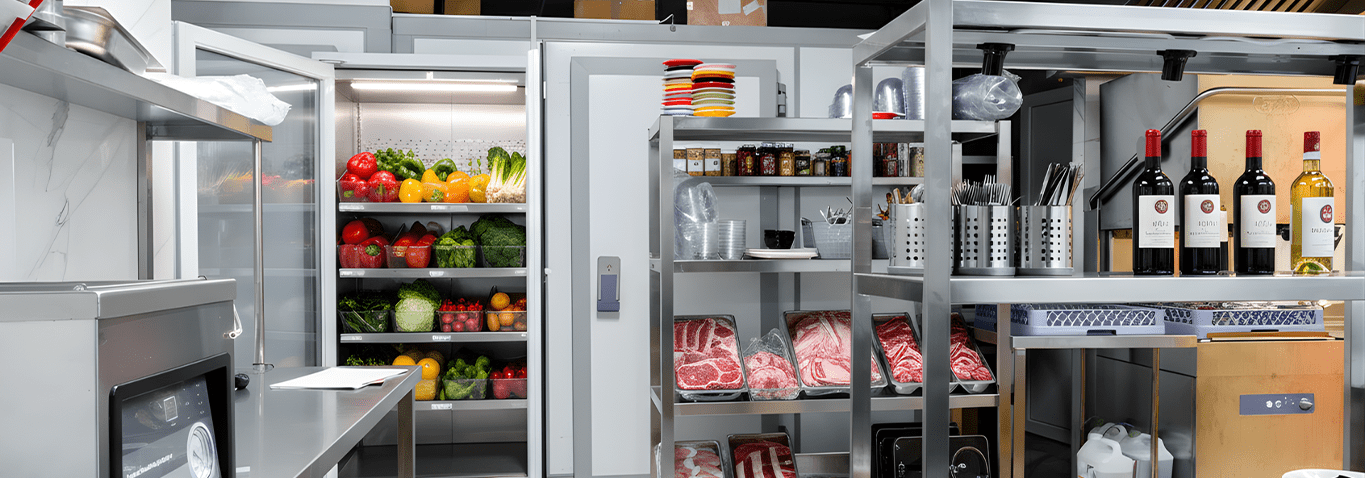
In Singapore’s hospitality and F&B industry, cold rooms are the heartbeat of kitchen and cold food storage operations. From storing fresh produce to maintaining delicate desserts, these temperature-controlled spaces ensure both food safety and consistent quality. But as energy costs climb and sustainability becomes a pressing priority, hotels and F&B outlets are now asking: how can we reduce the electricity bills that come with running cold rooms 24/7?
The answer lies in energy-efficient cold room technologies. By adopting smart systems and modern design, operators can cut costs, improve reliability, and align with their sustainability goals.
Latest Cold Room Technologies that Reduce Energy Consumption
1. High-Performance Insulation Panels
Walls, ceilings, and flooring are the first line of defence against heat infiltration. Modern cold rooms now use polyurethane (PU) or polyisocyanurate (PIR) insulated panels that deliver superior thermal resistance. This reduces the workload on compressors and lowers overall energy demand.
Case Example: A boutique hotel in Orchard Road upgraded to PIR insulation panels and reported a 15% drop in monthly electricity consumption, saving thousands annually.
2. Variable-Speed Compressors
Unlike traditional compressors that run at full capacity regardless of demand, variable-speed compressors adjust output according to real-time cooling needs. This prevents energy wastage and prolongs the life of equipment.
3. Smart Monitoring Systems
Cold rooms equipped with IoT-based sensors track temperature, humidity, and door usage. These systems send alerts when doors are left open or when energy spikes occur. Beyond reducing food spoilage risk, they also provide insights into energy optimisation.
Example: A well-known F&B chain in Singapore integrated smart monitoring across its outlets. By analysing door-open times and compressor cycles, they managed to trim 12% off their cold storage energy bill within six months.
Cost Savings from Insulation, Efficient Compressors, and Smart Monitoring
Energy-efficient cold rooms don’t just cut bills—they deliver long-term ROI.
- Better insulation means compressors run less often, leading to lower electricity bills and reduced maintenance costs.
- Efficient compressors consume less power, translating into 20–30% savings compared to outdated models.
- Smart monitoring minimises spoilage and maintenance downtime, avoiding costly emergency repairs and product losses.
For hotels handling imported ingredients and fine wines, and F&B outlets storing bulk inventories, these savings add up significantly over time.
Environmental Benefits and Alignment with Sustainability Goals
Singapore’s hospitality industry faces increasing pressure to embrace green practices. Energy-efficient cold rooms offer a practical way to reduce carbon footprint without compromising operations.
- Lower emissions: Every kilowatt saved reduces greenhouse gas emissions, contributing to national sustainability targets.
- Eco-certifications: Hotels and restaurants can enhance their green credentials, appealing to eco-conscious guests and diners.
- Future-ready operations: As carbon taxes and energy costs rise, efficient cold storage ensures resilience against regulatory and financial risks.
Case Example: A Marina Bay Sands restaurant restructured its cold room system with efficient compressors and LED lighting. The result: annual energy savings equivalent to powering 40 Singapore households, while boosting its sustainability branding.
Conclusion
For hotels and F&B outlets, cold food storage rooms are unavoidable energy consumers—but they don’t have to be expensive. With the right combination of insulation, compressors, and smart monitoring, operators can reduce costs, enhance food safety, and strengthen sustainability commitments.
Energy efficiency is not just a technical upgrade—it is a competitive edge. And in Singapore’s hospitality landscape, where operational costs are rising, an energy-smart cold room is no longer optional; it is essential.
Ready to optimise your cold room for better efficiency and lower energy costs? Contact Kiat Lay cold room specialist today to get started.