


How to Ensure Cold Chain Compliance in Food Logistics
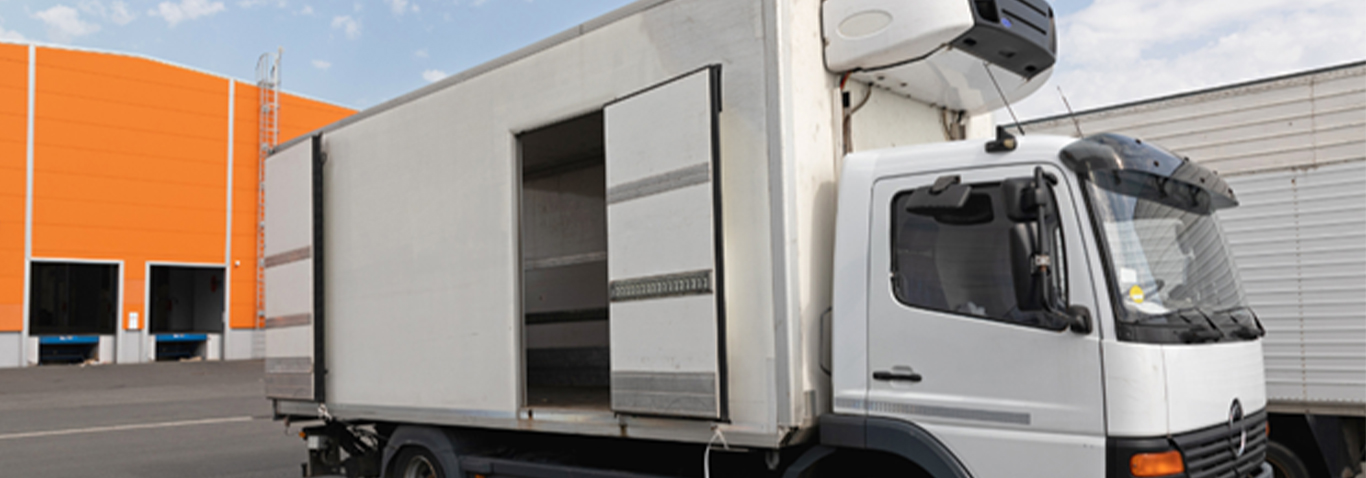
In the food logistics industry, maintaining cold chain compliance isn’t just about following rules—it’s about protecting consumers, avoiding costly spoilage, and maintaining a trustworthy brand. With tighter regulations and greater emphasis on food safety, businesses must understand exactly what’s required at every stage of the cold chain.
In fact, the importance of compliance and innovation in this sector is becoming increasingly evident. Singapore’s cold chain market is projected to grow at a compound annual growth rate (CAGR) of 12.8% from 2023 to 2033, fueled by three key factors: the rising demand for perishable goods, the Singapore Food Agency’s (SFA) stringent food safety regulations, and rapid advancements in refrigeration and cold food storage technology. This growth reflects not only increased consumption of fresh and frozen products but also the heightened expectations around how they are stored, handled, and transported.
This article outlines the critical regulations, industry standards, and best practices for ensuring reliable cold chain compliance, along with how coldroom storage technology can drastically reduce food waste and contamination risks. As Singapore’s cold chain infrastructure evolves, staying ahead of compliance requirements and investing in smarter technology isn’t just beneficial—it’s becoming essential for long-term success.
1. Understanding Cold Chain Regulatory Requirements in Food Logistics
Food businesses operating in Singapore are regulated by the Singapore Food Agency (SFA), which sets clear guidelines for cold chain management—from storage to transportation and handling. Non-compliance can lead to fines, product recalls, or license suspensions.
Key SFA Requirements Include:
Cold Storage Temperatures:
- Chilled foods (e.g. dairy, raw meat): 0°C to 4°C
- Frozen foods (e.g. seafood, poultry): -18°C or below
- Ice cream: Often needs to be kept at -20°C to maintain texture and prevent crystallisation
Time-Temperature Control:
- Temperature-sensitive food should not be left in the temperature danger zone (5°C to 60°C) for more than 2 hours cumulatively.
- Continuous monitoring is mandatory during transit and storage.
HACCP Compliance:
- Businesses must implement a Hazard Analysis and Critical Control Points (HACCP) system. This includes identifying where temperature breaches might happen (Critical Control Points), monitoring them, and documenting corrective actions.
- All cold storage facilities must have Standard Operating Procedures (SOPs) for temperature checks, equipment failure, and emergency protocols.
Traceability:
- Product traceability records must be maintained for at least 12 months, including supplier details, storage conditions, batch numbers, and transport logs.
A real-world example: In 2022, the Singapore Food Agency (SFA) conducted targeted inspections focusing on establishments with a higher risk of food safety lapses. From May to December 2022, 10% of the 1,903 licensees targeted were penalised for breaching regulations—an enforcement rate more than three times higher than the 2.8% average for routine inspections in 2019.
2. Best Practices for Maintaining Consistent Temperatures During Transit
Transportation is one of the riskiest stages in the cold chain, where temperature excursions can occur due to equipment failure, poor loading practices, or delays. A single break in the cold chain can render an entire shipment unsafe.
To minimise risk, consider these proven strategies:
a. Use GDP-Compliant Refrigerated Trucks
Good Distribution Practice (GDP) standards ensure that food logistics trucks are:
- Equipped with multi-temperature compartments for mixed cargo
- Pre-cooled before loading to minimise thermal shock
- Regularly calibrated and serviced to maintain temperature integrity
b. Real-Time IoT Monitoring Systems
Install IoT-based temperature monitoring devices that:
- Track data in real-time (temperature, humidity, door openings)
- Send alerts if readings go out of range
- Sync with cloud dashboards for remote visibility by managers
Tip: Choose sensors that comply with EN 12830 standards for temperature monitoring devices in the transport of chilled and frozen food.
c. Proper Loading Practices
- Use insulated pallet covers and gel packs to maintain stable temperatures
- Ensure adequate airflow around cartons
- Avoid overloading, which can strain the cooling system and create warm pockets
d. Route Planning and Contingency Measures
- Use GPS-enabled fleet management systems for route optimisation and ETA tracking
- Plan alternate cold storage stops in case of vehicle breakdowns
- Ensure drivers are trained in cold chain protocols, including what to do during delays
3. The Role of Coldroom Storage in Reducing Wastage and Contamination
Coldrooms are the anchor of any cold chain infrastructure. Properly designed and maintained coldroom facilities can drastically reduce food spoilage, ensure regulatory compliance, and improve overall logistics efficiency.
Here’s how:
- Precision Cooling and Zoning
Modern coldrooms offer zoned cooling, allowing different sections to be maintained at distinct temperature and humidity levels. This is crucial when storing multiple food types under one roof.
Example Temperature Zones:
- Raw seafood: -20°C
- Dairy products: 2°C
- Fresh vegetables: 5°C with 90% relative humidity
Case study: A frozen goods distributor in Jurong reported a 25% drop in spoilage after implementing dual-zone coldrooms that separated raw meats from frozen vegetables, preventing cross-contamination and temperature interference.
b. Automated Temperature and Humidity Control
State-of-the-art coldrooms use PLC-controlled refrigeration systems that:
- Monitor internal conditions 24/7
- Automatically adjust to temperature deviations
- Send SMS/email alerts for anomalies
Look for systems with redundant compressors and automated defrost cycles to minimise downtime.
c. Hygiene Protocols and Structural Design
Cold food storage should be built with food-grade, antimicrobial surfaces, such as PU sandwich panels with hygienic coatings. Design considerations include:
- Cover flooring and wall joints for easy cleaning
- Positive air pressure to prevent outside air ingress
- Regular fogging and pest control schedules
Food contamination isn’t just about bacteria—it can stem from poor insulation, water leaks, or faulty door seals that allow moisture and temperature fluctuations.
4. Staff Training and Cold Chain SOPs
Even with the best technology, human error is often the cause of cold chain failures. All staff handling temperature-sensitive goods must be trained in:
- How to read and log temperature data
- What to do during a power or equipment failure
- How to handle products that have been exposed to temperature abuse
Training should be refreshed at least annually and documented for audit purposes.
Conclusion
Cold chain compliance in food logistics is a high-stakes responsibility that requires a systematic approach across transportation, storage, handling, and monitoring. With the right infrastructure, technology, and training in place, companies can:
- Meet and exceed SFA and HACCP requirements
- Prevent costly product losses
- Protect public health
- Strengthen their brand reputation
Whether you’re a food distributor, central kitchen operator, or supermarket chain, investing in professional cold food storage and cold chain support is essential.
Need Help Setting Up a Cold Chain-Compliant Facility?
Kiat Lay Coldroom Specialists design and build custom coldroom systems for the food industry—from central kitchens to logistics hubs. Our solutions help clients maintain compliance, reduce spoilage, and operate more efficiently.
Contact us today for a consultation.