


How Coldroom Construction Affects Warehouse Layout Efficiency
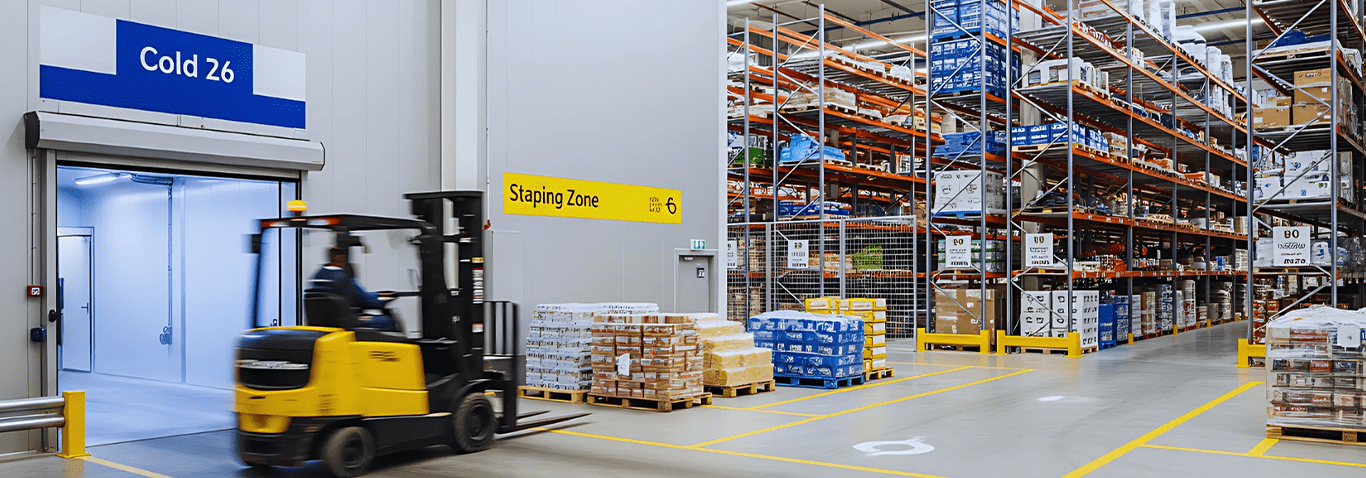
In warehouse operations, efficiency is everything. A well-designed warehouse ensures smooth product flow, faster order fulfilment, and reduced operational costs. For facilities that handle temperature-sensitive goods, coldroom construction plays a critical role in shaping the overall warehouse layout.
From balancing space allocation to ensuring safe forklift access, cold room warehouse design influences how effectively goods move between frozen, chilled, and dry zones. With Singapore’s logistics industry under increasing pressure to optimise space and improve cold chain resilience, understanding the impact of coldroom construction on warehouse efficiency has never been more important.
Balancing Cold Room Size with Overall Storage Needs
A common challenge in warehouse design is finding the right balance between coldroom size and the wider storage requirements. Oversized coldrooms may waste valuable warehouse space and increase energy costs, while undersized ones can create bottlenecks and compromise product integrity.
The ideal solution often comes from analysing storage patterns, cargo turnover rates, and long-term growth projections. For example, a food distribution centre in Tuas initially built a freezer room that occupied nearly half its warehouse footprint. While it met immediate storage needs, the lack of dry storage space caused congestion and inefficient staging. After redesigning with a smaller coldroom and modular racking solutions, the operator achieved better space utilisation and improved product flow.
Key takeaway: Coldroom construction must align with business needs and overall warehouse strategy, not just immediate storage capacity.
Designing Walk-In Chiller Paths for Forklift Access
Forklift movement is a crucial aspect of warehouse operations. Poorly designed coldrooms often create narrow access points or dead zones where forklifts struggle to manoeuvre, slowing down order fulfilment and increasing the risk of accidents.
When constructing walk-in chillers, planners should ensure:
- Wide, clear entryways that accommodate forklifts and pallet jacks.
- Straight-line travel paths to minimise turning in tight spaces.
- Anti-slip flooring and safety buffers to protect staff and equipment in low-temperature environments.
Case Example (Singapore Beverage Distributor):
A local beverage distributor reconfigured its warehouse to create direct forklift lanes between its walk-in chillers and loading docks. By widening the chiller doors and aligning them with the main aisles, the company reduced loading times by 20%. Staff also reported fewer safety incidents, thanks to improved visibility and movement space.
Key takeaway: Coldroom construction must prioritise forklift-friendly layouts to improve speed and safety.
Incorporating Staging Zones Between Cold and Dry Storage
One of the biggest contributors to warehouse efficiency is how well products transition between cold storage and dry storage. Without staging areas, staff may spend excessive time moving goods across temperature zones, causing delays and raising the risk of temperature abuse.
Well-designed warehouses use staging zones as buffer areas between coldrooms and ambient storage. These zones:
- Allow workers to sort and prepare goods before moving them into or out of the coldroom.
- Reduce door opening times, helping maintain consistent internal temperatures.
- Streamline the flow of products to outbound docks for quicker order fulfilment.
Case Example (Frozen Seafood Export Facility):
A seafood logistics company in Jurong Port added a staging zone directly outside its freezer room. This buffer area allowed workers to pre-stack pallets for outbound delivery without repeatedly opening coldroom doors. The improvement reduced cold air loss, cut energy consumption by 12%, and improved the overall pace of operations.
Key takeaway: Staging zones protect temperature integrity while boosting throughput efficiency.
Why Coldroom Design Shapes Warehouse Efficiency
Cold room warehouse construction is not just about building insulated rooms—it is about integrating cold storage seamlessly into warehouse workflows. Poorly planned coldrooms can:
- Restrict forklift access and cause traffic bottlenecks.
- Waste valuable space with oversized or undersized footprints.
- Drive up energy costs due to unnecessary door openings.
On the other hand, well-constructed coldrooms can:
- Enhance product flow between temperature zones.
- Improve safety and working conditions for staff.
- Optimise the balance between cold and dry storage capacity.
- Support regulatory compliance for food safety and pharmaceuticals.
Conclusion
In Singapore’s competitive logistics and food supply industries, cold room warehouse layout efficiency is directly tied to how well coldrooms are constructed. By carefully balancing coldroom size, designing forklift-friendly chiller paths, and incorporating staging zones, businesses can significantly improve operational performance.
At Kiat Lay Cold Room Specialist, we help companies design and construct coldrooms that go beyond insulation and cooling. Our solutions are built to fit seamlessly into warehouse layouts, supporting efficient storage, fast product movement, and long-term scalability. Whether it’s a new build or a retrofit, we ensure every coldroom enhances—not hinders—warehouse efficiency.