


Keeping Medicine Safe: What WHO & GMP Rules Mean for Cold Storage
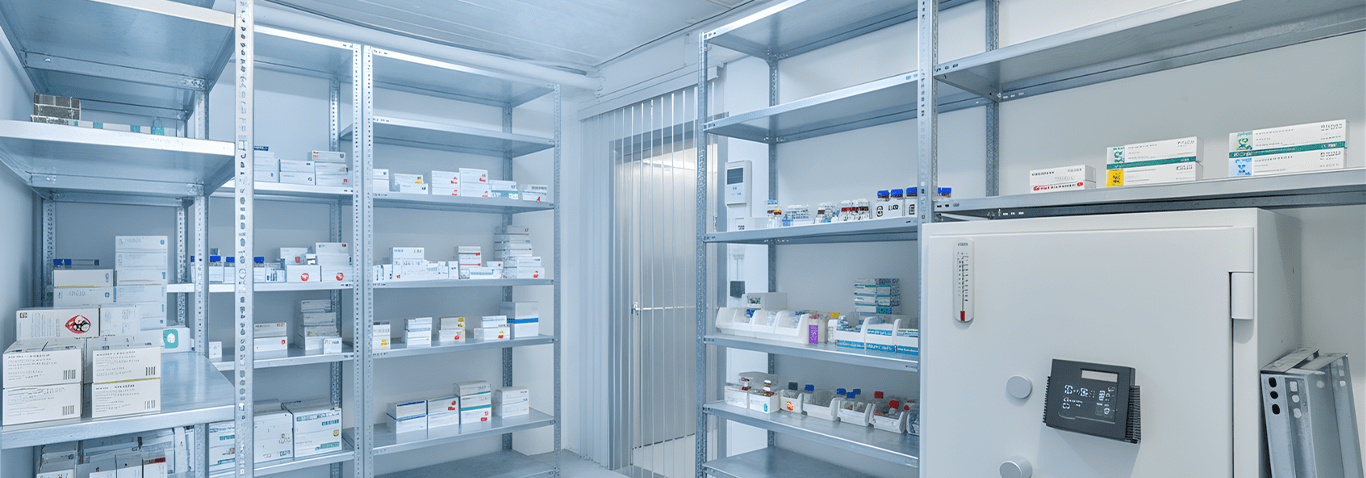
When you take a pill, receive a vaccine, or get a dose of insulin, you trust that it will work as intended. What most people don’t realise is that keeping medicine safe depends on more than just the science behind the drug. It also relies on the cold storage systems that maintain medicines’ safety and effectiveness throughout their journey.
Behind the scenes, strict global standards—set by the World Health Organization (WHO) and Good Manufacturing Practice (GMP) guidelines—govern how cold rooms are designed, maintained, and monitored. These rules are not about bureaucracy. They are about protecting health on a massive scale, ensuring that every vial and blister pack delivered to a patient is safe to use.
Strict Standards Safeguard Every Vaccine and Pill
Medicines are sensitive. Vaccines can lose potency if exposed to temperatures outside 2°C to 8°C for even a few hours. Biologics and specialty treatments may require freezing conditions to stay stable. To safeguard these products, regulators around the world have created strict storage standards.
The WHO, through its Good Storage and Distribution Practices, outlines how healthcare providers, distributors, and logistics operators must handle medicines across borders. GMP, a cornerstone of pharmaceutical manufacturing, requires that medicines are consistently produced and stored under conditions that preserve their quality.
Why this matters:
- A vaccine that loses its potency doesn’t just fail to protect—it can put lives at risk.
- Poor storage of antibiotics can reduce effectiveness, worsening antimicrobial resistance.
- Temperature excursions in insulin can make it ineffective, directly harming diabetic patients.
In short, these standards are the invisible safety net behind modern healthcare.
WHO & GMP Rules Set the Benchmark for Cold Room Operations
Both WHO and GMP guidelines are very clear about cold storage: it’s not enough to have a walk-in chiller or freezer. Facilities must be designed, validated, and operated according to precise criteria.
Key requirements include:
- Temperature control: Cold rooms must keep medicines within the exact range required for stability, with minimal fluctuations.
- Monitoring and recording: Every cold room needs continuous temperature monitoring, with alarms and detailed logs for audits.
- Validation and qualification: Cold rooms must undergo rigorous testing before use, ensuring they consistently meet set parameters.
- Hygiene and layout: Facilities must be designed to prevent contamination, with separate zones for different types of products.
- Emergency preparedness: Backup power systems must be in place to safeguard products during outages.
Case Example:
A pharmaceutical logistics hub in Singapore implemented WHO-compliant monitoring systems across its cold rooms. By integrating sensors with cloud-based tracking, it ensured real-time alerts for any temperature excursion. During a power failure incident, the backup system kicked in within seconds, and monitoring reports later showed zero deviations. This compliance not only passed regulatory inspection but also protected millions of dollars’ worth of life-saving drugs.
Meeting Standards Is About More Than Compliance
For some businesses, it’s easy to see compliance as a checklist exercise. But in pharmaceuticals, the stakes are far too high. Meeting WHO and GMP standards is fundamentally about patient safety and public trust.
- Protecting health at scale: A cold chain failure doesn’t just affect one patient—it can disrupt national vaccination programs or treatment supplies.
- Building trust in supply chains: Hospitals and clinics need assurance that every delivery is safe. GMP-certified facilities provide that confidence.
- Avoiding costly wastage: Non-compliance can lead to entire batches of medicine being discarded, wasting resources and delaying treatment.
Case Example:
In 2021, a Southeast Asian distributor lost a shipment of oncology drugs due to poor cold room zoning and lack of validated monitoring. The drugs, worth over SGD 500,000, were destroyed because regulators could not confirm safe storage. By contrast, a competitor in Singapore with GMP-certified cold rooms handled similar products without issue, reinforcing their reputation as a reliable partner.
How Standards Shape the Cold Rooms We Rely On
The WHO and GMP rules influence everything from design materials to daily operations:
- Insulation and panel construction to maintain precise temperatures.
- Flooring and shelving layouts designed to allow airflow and prevent contamination.
- Zoning strategies that separate different categories of medicines, reducing cross-contamination risks.
- Staff training programs ensuring everyone understands storage protocols.
Cold rooms that meet these requirements don’t just store medicines—they actively protect them. This is why leading pharmaceutical hubs like Singapore invest heavily in validated, fully compliant cold storage facilities.
Singapore’s Role as a Pharma Hub
As Asia’s leading biomedical hub, Singapore is home to global pharmaceutical companies, research labs, and logistics providers. For the country, strict compliance with WHO and GMP standards is not optional—it’s a key reason international players trust Singapore as a base.
Cold room specialists like Kiat Lay Cold Room Specialist support this ecosystem by designing and maintaining storage facilities that align with international benchmarks. From hospital pharmacies to regional distribution centres, their solutions ensure that medicines remain safe, effective, and audit-ready.
Conclusion
Every vaccine administered, every pill dispensed, and every infusion given to a patient depends on an invisible but vital chain of protection. WHO and GMP rules make sure this chain never breaks, and cold rooms are at the very heart of that system.
Meeting these standards is not about ticking boxes—it’s about saving lives, maintaining public trust, and ensuring that the promise of modern medicine is delivered in full.
The next time you take a medicine, remember that behind it lies a network of carefully controlled cold rooms built to the highest global standards. And behind those cold rooms are specialists dedicated to keeping every dose safe—because in healthcare, there is no margin for error.