


Enhancing Mortuary Cold Room Efficiency with Modern Technology
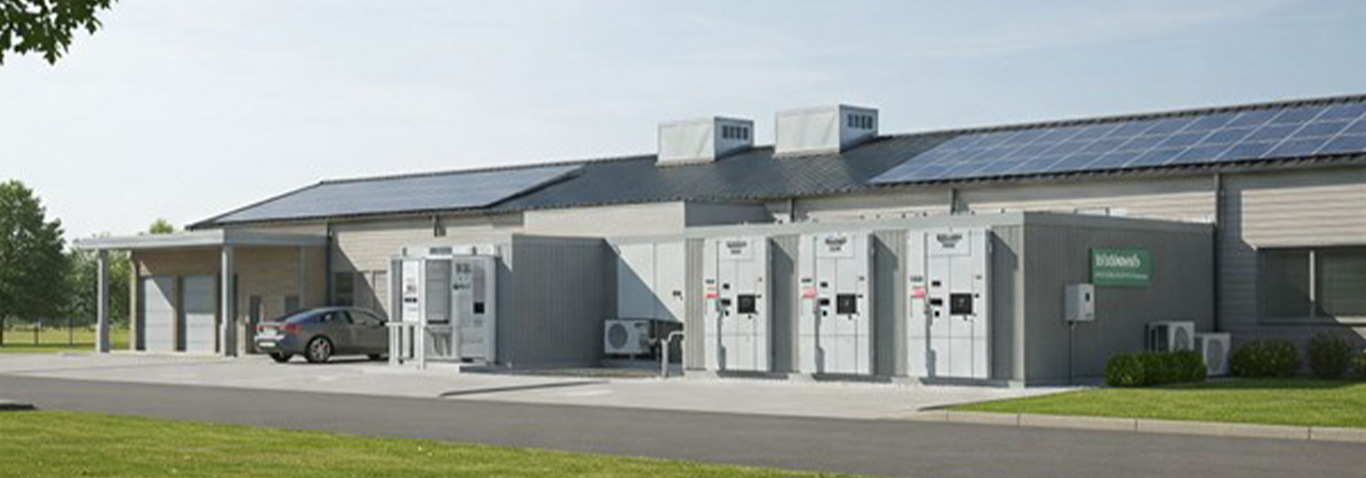
Mortuary cold rooms play a crucial role in preserving bodies with dignity and care before final arrangements are made. As technology advances, funeral homes and mortuaries can leverage modern innovations to improve efficiency, reduce operational costs, and ensure optimal storage conditions. This article explores the latest advancements in temperature control, smart sensors, automation, and energy-efficient systems that enhance mortuary cold room efficiency.
Innovations in Temperature Control for Mortuary Cold Rooms
Precise temperature control is critical for maintaining the integrity of bodies in mortuary cold rooms. Traditional refrigeration systems often struggle with temperature fluctuations, which can affect preservation quality. However, modern innovations have significantly improved temperature regulation, ensuring consistent and controlled environments.
Advanced Refrigeration Systems
New-generation refrigeration units now feature adaptive cooling technology, which adjusts cooling intensity based on room conditions and external temperature fluctuations. These systems help maintain a stable temperature range between 2°C and 4°C for chiller rooms and below -15°C for freezer rooms.
Case Study: Digital Temperature Regulation in Funeral Homes
A funeral home in Singapore recently upgraded its mortuary cold room with a digital temperature regulation system. The implementation of an advanced cooling mechanism reduced temperature variations by 40%, ensuring that bodies remained well-preserved without excessive energy consumption. As a result, the facility improved storage conditions while lowering overall energy use.
The Impact of Smart Sensors and Automation
Smart sensors and automation technologies have revolutionized how mortuary cold rooms function. These innovations allow funeral home operators to monitor and control conditions remotely, preventing system failures and preserving bodies more effectively.
Real-Time Monitoring with IoT Sensors
Smart sensors integrated into mortuary cold rooms provide real-time monitoring of temperature, humidity, and air circulation. These IoT-enabled devices send instant alerts to operators if there are any deviations from optimal conditions. This proactive approach helps prevent spoilage and ensures uninterrupted preservation.
Automated Backup Systems
To safeguard against power outages or mechanical failures, automated backup refrigeration systems have become a standard feature in modern mortuary cold rooms. These systems detect potential malfunctions and automatically switch to emergency power or backup cooling units, reducing the risk of disruption.
Case Study: Smart Monitoring in a European Mortuary
A large mortuary facility in Germany implemented a smart monitoring system that utilized IoT sensors and automated alerts. The facility reduced manual temperature checks by 90% and minimized system failures by identifying maintenance issues before they escalated. This not only improved operational efficiency but also enhanced the overall reliability of the mortuary cold rooms.
Reducing Operational Costs with Energy-Efficient Systems
Running a mortuary cold room can be expensive, especially due to high energy consumption. Energy-efficient solutions have emerged to help funeral homes manage costs without compromising preservation quality.
Energy-Saving Refrigeration Technology
Modern mortuary cold rooms now come equipped with inverter compressors, which optimize energy usage by adjusting cooling output based on demand. Additionally, some systems use eco-friendly refrigerants that enhance efficiency while reducing environmental impact.
Insulated Paneling for Temperature Retention
High-quality insulated paneling plays a significant role in maintaining temperature stability and minimizing energy loss. Using materials like vacuum-insulated panels (VIPs) ensures that cold rooms require less energy to sustain optimal conditions.
Case Study: Cost Reduction through Energy-Efficient Systems
A funeral service provider in the United States recently switched to an energy-efficient mortuary cold room equipped with inverter technology and insulated paneling. The upgrade led to a 30% reduction in energy consumption, translating to thousands of dollars in annual savings. Additionally, the reduced energy load extended the lifespan of the refrigeration equipment, lowering maintenance costs.
Conclusion
The integration of modern technology in mortuary cold rooms has transformed the way funeral homes and mortuaries operate. Innovations in temperature control, smart sensors, automation, and energy-efficient solutions have enhanced efficiency, reduced operational costs, and improved body preservation. As the funeral industry continues to embrace technological advancements, adopting these innovations will be essential in ensuring both sustainability and quality service.
For funeral homes looking to upgrade their mortuary cold rooms, investing in the latest technology is a step towards improved efficiency and cost savings. Contact Kiat Lay Coldroom Specialists in Singapore today to explore advanced solutions tailored to your facility’s needs.