


Cold Room Design for Temperature-Critical Oncology Drugs
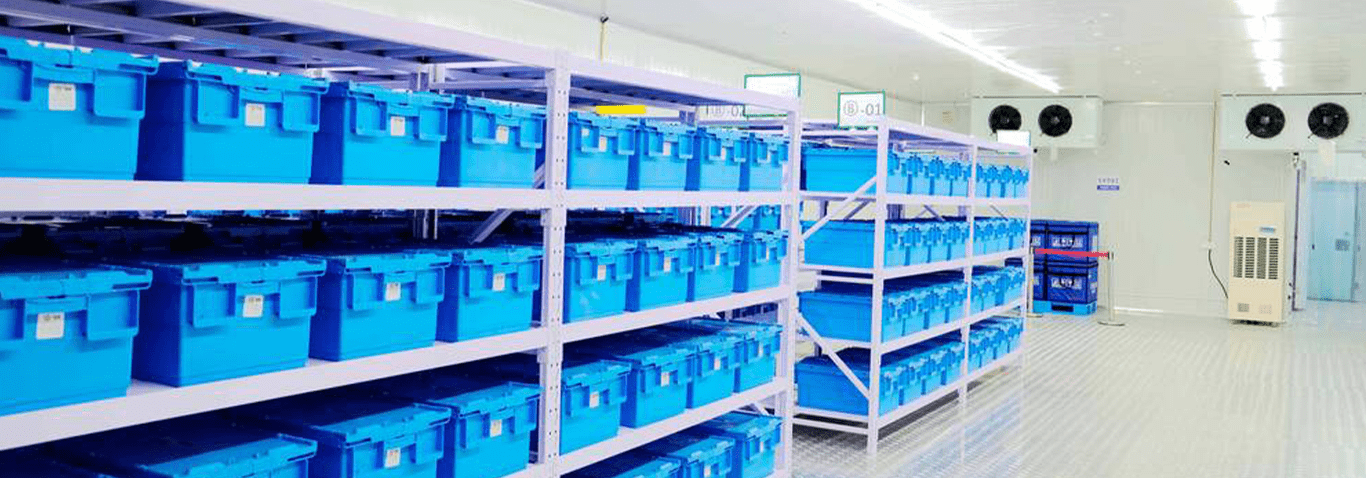
Oncology drugs—particularly monoclonal antibodies (mAbs), immunotherapies, and other biologics—are among the most temperature-sensitive pharmaceuticals in the modern healthcare system. With strict temperature ranges (typically 2°C to 8°C) and no tolerance for deviation, these life-saving medications require precision coldroom infrastructure to preserve their efficacy and ensure patient safety.
Whether in hospital pharmacies, clinical trial depots, or pharmaceutical distribution centres, cold room design for oncology drug storage must go beyond conventional refrigeration. It must incorporate redundancy, backup power, environmental monitoring, and trained personnel—all designed to avoid a single point of failure.
In this article, we examine the key design considerations for cold rooms storing oncology drugs, based on industry standards and real-world applications in Singapore’s healthcare supply chain.
1. Storage Requirements for Monoclonal Antibodies and Immunotherapies
Monoclonal antibodies (mAbs), CAR-T cell therapies, and protein-based immunotherapies are complex biological molecules that are extremely temperature-sensitive. A deviation outside their recommended storage range—even briefly—can denature the protein structure, rendering the drug ineffective or harmful.
Key cold storage requirements include:
- Tight Temperature Range (2°C to 8°C): Deviation can impact biological activity, making real-time monitoring essential.
- No Freezing: Unlike vaccines that can tolerate sub-zero storage, freezing mAbs may destroy their molecular structure.
- Controlled Humidity and Light Exposure: Some biologics require darkness and low humidity to maintain stability.
Case Example: Singapore Clinical Oncology Centre
A private oncology facility in Novena uses dedicated walk-in chillers for storing mAbs such as trastuzumab and bevacizumab. Temperature logs are recorded every 5 minutes via wireless sensors connected to a central dashboard with SMS alerts. A 2023 internal audit found 0% deviation across 12 months, largely due to the high-precision coldroom setup and strong internal SOPs.
2. Redundancy Planning for Life-Saving Oncology Products
Redundancy isn’t optional when storing oncology drugs—it’s a regulatory and ethical obligation. Unlike general medicines, oncology drugs are high value, difficult to replace quickly, and often required on short notice for critical care patients.
Coldroom redundancy strategies include:
- Dual Compressor Systems: If one compressor fails, the backup unit immediately takes over without temperature deviation.
- Backup Power Supply (UPS + Generator): In case of power outage, coldrooms switch to battery and then to generator backup to maintain cooling.
- Alarm and Remote Monitoring Systems: Real-time temperature alerts (SMS/email) ensure no deviation goes unnoticed.
- Temperature Mapping and Validation: Uniform cooling is validated through thermal mapping before operation begins.
Case Insight: National Hospital Supply Depot
A national oncology supply depot in Singapore upgraded their 2°C to 8°C coldroom in 2022. Kiat Lay was contracted to install dual refrigeration circuits, a backup diesel generator, and full sensor coverage at multiple shelf levels. The system was tested for failure response—when one compressor was shut down, the backup engaged within 10 seconds, maintaining internal temperature at 4.2°C. This level of redundancy safeguards thousands of doses used in regional cancer treatment programmes.
3. Coldroom Design Features for Oncology Drug Security
Cold room storage design for oncology drugs must also address layout efficiency, contamination prevention, and temperature uniformity.
Recommended coldroom features include:
- Low-Velocity Air Distribution: Prevents cold spots and ensures even airflow across all shelves.
- Modular Shelving Systems: Allows for reconfiguration based on drug packaging, minimising handling and temperature exposure.
- Thermal Break Doors and Insulated Panels: Reduces condensation and temperature variability, especially during frequent access.
- Data Logging for Audit Compliance: Automatically generated logs for HSA inspections, GDP compliance, and quality assurance.
Example: Private Hospital Pharmacy Coldroom (Orchard Road)
A boutique hospital pharmacy required a small-scale 2°C to 8°C coldroom with secure access and HSA-compliant audit trail. Kiat Lay delivered a modular chiller equipped with stainless steel shelving, motion-activated lights, and a web-based temperature log that exported weekly reports. The pharmacy reduced manual logging by 90% and passed HSA inspection with no corrective actions.
4. Training Staff for Safe Oncology Drug Handling
Even the best-designed coldroom cannot compensate for human error. Staff must be trained in handling protocols specific to oncology medications to avoid product loss and patient risk.
Key staff training focus areas:
- Cold Chain Awareness: Understanding why short exposure outside 2°C to 8°C matters for biologics.
- Handling Procedures: Minimising open-door times, using pre-cooled trolleys, and correct product placement in cold zones.
- Emergency Protocols: Responding to temperature excursions or power outages with defined SOPs.
- Regulatory Documentation: Ensuring accurate manual or digital records for every stock movement.
Training Example: Oncology Compounding Centre (South-East Singapore)
After two incidents of drug spoilage due to delayed door closures, a specialty oncology centre conducted hands-on training for pharmacists and logistics staff. With Kiat Lay’s consultation, they adopted new protocols and installed visual alarms above the coldroom door, warning when it remained open for more than 30 seconds. No further temperature breaches were recorded in the next six months.
Conclusion: Designing Coldrooms That Safeguard Life-Saving Therapies
As oncology therapies become more advanced and temperature-sensitive, coldroom infrastructure must evolve to meet new risks and responsibilities. For pharmaceutical logistics providers, hospital pharmacies, and cancer treatment centres, this means:
- Investing in redundant cooling and power systems.
- Using modular, validated storage solutions.
- Implementing real-time temperature monitoring.
- Providing comprehensive training for personnel.
At Kiat Lay, we design and build coldrooms tailored for the pharmaceutical and life sciences sectors in Singapore. Our oncology-ready coldroom solutions combine engineering precision, GDP-compliance, and scalable redundancy—ensuring your cold chain holds strong, even under pressure.
Contact us today to plan a coldroom system that protects every dose, every time.