


Cold Room Storage for Orphan Drugs and Rare Disease Treatments
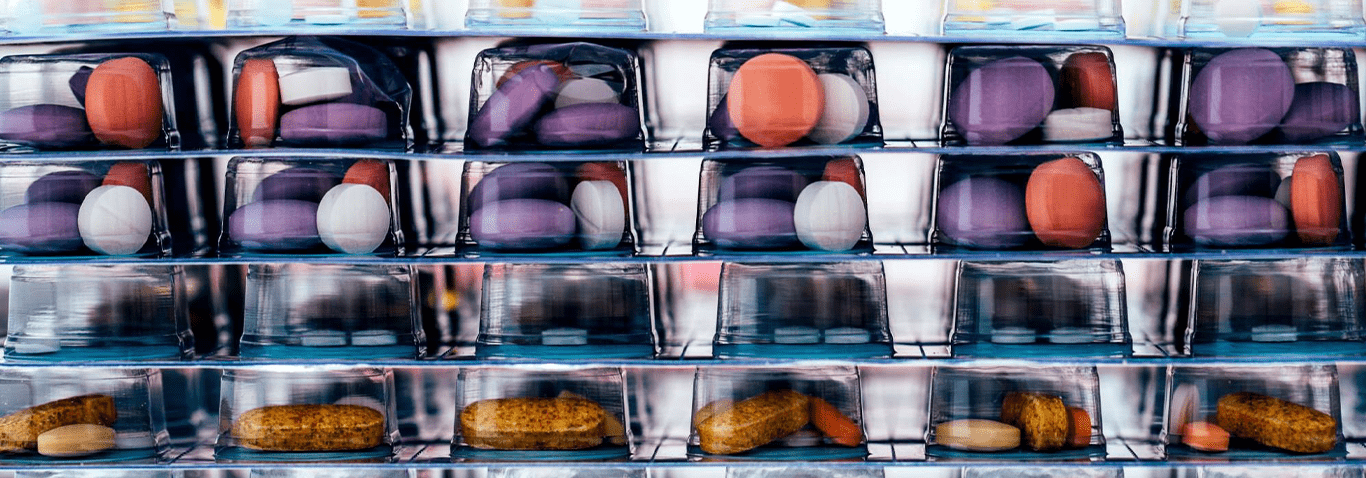
In the world of pharmaceuticals, orphan drugs represent a unique and critical category. Designed to treat rare diseases that affect a small portion of the population, these medications are often low-volume, high-value, and incredibly sensitive to storage conditions. Every vial, ampoule, or pre-filled syringe matters—and improper handling could mean losing not just money, but a patient’s only treatment option.
This makes orphan drugs cold storage, a highly specialised discipline. From construction and layout to traceability and inventory control, pharmaceutical cold rooms storage must be adapted to meet the unique requirements of rare disease treatments.
In this article, we explore the key design principles, regulatory expectations, and real-world applications that make cold storage suitable for orphan and specialty drugs in Singapore and beyond.
1. Special Handling for Low-Volume, High-Value Medications
Unlike common antibiotics or vaccines distributed in bulk, orphan drugs are often:
- Manufactured in small batches,
- Priced at thousands of dollars per unit,
- Thermally unstable and susceptible to degradation.
Examples of such drugs include Enzyme Replacement Therapies (ERTs) for lysosomal storage disorders, gene therapy products, and immunomodulators for paediatric rare diseases. Because of their value and sensitivity, these drugs require:
Specialised Storage Considerations:
- Secure access control: Only trained and authorised personnel should handle these products to prevent mishandling or theft.
- Dedicated shelving or lockable cabinets within cold rooms to segregate orphan drugs from general stock.
- Temperature zones specific to product requirements, e.g., 2°C to 8°C, or -20°C for biologic compounds.
- Minimal vibration and stable humidity levels to preserve integrity—particularly critical for gene-based or mRNA therapies.
Case in Singapore: A local hospital pharmacy partnered with Kiat Lay to set up a segregated coldroom chamber for rare paediatric oncology drugs. The room was built with double-insulated internal partitions to create isolated temperature zones, ensuring different rare medicines could be stored safely even within one facility.
2. Ensuring Traceability and Inventory Control
Due to the limited supply and high risk associated with these drugs, cold room traceability systems must go beyond simple batch recording. Regulatory bodies like the Health Sciences Authority (HSA) in Singapore require that:
- Every unit’s storage temperature history is traceable.
- Expiry dates and lot numbers are digitally linked to dispensing data.
- Chain of custody is documented, especially for controlled substances.
To achieve this, Kiat Lay cold rooms for orphan drugs are often integrated with:
- Real-time temperature monitoring systems with alarm notifications.
- Barcoded or RFID tracking systems for each unit of medication.
- Digital access logs to monitor who enters the cold room and when.
- Audit-ready reporting tools aligned with GDP and PIC/S standards.
In one notable project, a Singapore-based rare disease treatment center installed a cloud-based cold chain traceability system within their -20°C freezer room. The system, integrated into their ERP software, generated compliance reports for every medication cycle—ensuring audit readiness and peace of mind.
3. Cold Room Construction for Niche Pharmaceutical Storage
Standard cold rooms are built for volume—optimised for pallets, crates, and heavy-duty shelving. But orphan drugs require a precision-first approach:
Key Construction Features:
- Small-volume coldrooms or walk-in cabinets tailored for boutique use.
- Redundant refrigeration systems (N+1 setup) to avoid total failure risks.
- Low-noise compressors and anti-vibration flooring to protect fragile biologics.
- Energy-efficient LED lighting to reduce heat emission within tight spaces.
- Cleanroom-compatible panel finishes for hybrid facilities.
For niche applications, modular coldrooms provide an ideal solution. These allow pharmaceutical companies to add or reconfigure spaces as their rare drug inventory grows.
Kiat Lay case study: A regional specialty drug importer serving Southeast Asia engaged Kiat Lay to design a modular chiller and freezer suite within their Singapore warehouse. One room was dedicated solely to GLP-1 receptor agonists used in rare endocrine disorders, while another catered to advanced cell therapies. Modular flexibility ensured that as new therapies launched, storage could be scaled without costly infrastructure overhaul.
4. Regulatory Compliance for Rare Disease Drug Storage
Regulations for orphan drugs cold storage are no different from those governing high-volume pharmaceuticals—if anything, they are stricter due to the limited margin for error. Design and operations must comply with:
- HSA GDP Guidelines (Singapore) for storage, distribution, and documentation.
- WHO Good Storage Practices for handling cold chain medicines.
- PIC/S PE 009-17 standards for pharmaceutical quality systems, including storage environments and calibration records.
Validation through temperature mapping, alarm testing, and backup power assessments are not optional—they are mandatory.
Kiat Lay ensures all niche cold rooms for rare drugs include:
- Full commissioning and qualification reports
- Temperature mapping studies at empty and full loads
- Integrated UPS (Uninterruptible Power Supply) options for critical storage zones
5. Collaboration Between Cold Room Design and Clinical Practice
In many Singapore hospitals and specialty clinics, pharmacy teams collaborate closely with cold room designers to ensure usability aligns with clinical needs.
Real-World Collaboration Example:
In 2024, a genetics-focused private clinic introduced a gene therapy program for spinal muscular atrophy. Each vial cost over SGD $100,000 and had a shelf life of just weeks. The facility worked with Kiat Lay to:
- Install a small-footprint coldroom (2m x 2m) beside the pharmacy for immediate access.
- Integrate dual temperature logging systems, including cloud and local data storage.
- Create a drug release workflow that linked coldroom data with the clinic’s prescription system.
The outcome: Zero temperature excursions across a six-month trial period, full compliance with HSA audits, and successful treatment delivery to patients with no product loss.
Conclusion: Precision Storage for Life-Changing Treatments
Storing orphan drugs is not just a matter of logistics—it is a matter of life and trust. Each vial holds the hope of patients living with rare diseases. That’s why pharmaceutical cold rooms for these products must be engineered with:
- Dedicated space and temperature control
- Advanced traceability and security features
- Adaptable designs for evolving rare disease portfolios
At Kiat Lay, we bring over 30 years of expertise in cold room construction to help Singapore’s healthcare providers and pharmaceutical companies meet the unique demands of rare disease treatment logistics.
Need a Custom Coldroom for Orphan Drug Storage?
We build temperature-controlled cool rooms that protect your most valuable pharmaceutical assets. Whether you’re storing ERTs, biologics, or novel gene therapies, Kiat Lay can design a solution to meet your clinical and regulatory needs.
👉 Visit www.kiatlay.com.sg to learn more or request a consultation.