


SOPs Every Pharmaceutical Cold Room Must Have
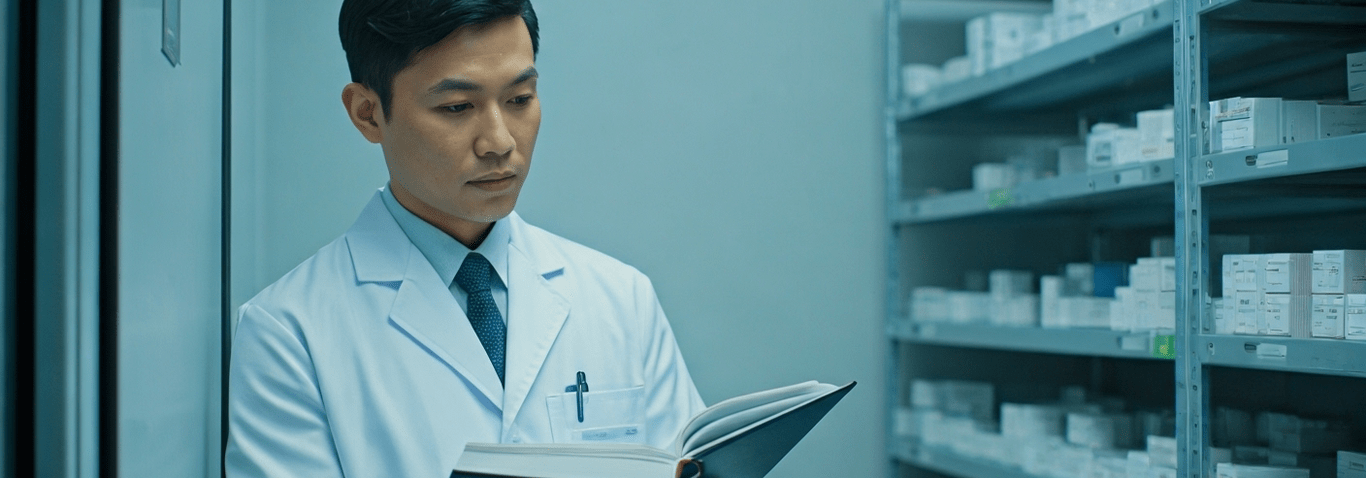
In pharmaceutical environments, cold rooms are more than just refrigeration spaces—they are critical infrastructure supporting drug safety, regulatory compliance, and patient health. Yet, the coldroom’s effectiveness is only as strong as the Standard Operating Procedures (SOPs) that govern its use.
For any pharmaceutical cold room to meet compliance standards—whether under HSA guidelines in Singapore, WHO storage protocols, or GDP/GMP frameworks—it requires rigorous, documented, and consistently practiced SOPs.
In this article, we will outline the essential SOPs that every pharmaceutical cold room should implement. These include inventory checks, temperature monitoring, emergency protocols, and staff training. Moreover, we will highlight real-world examples from pharmaceutical settings in Singapore to show how these SOPs work in practice.
1. SOPs for Inventory Checks and Temperature Logging
A core responsibility of pharmaceutical cold room management is ensuring product integrity through tight control of stock and temperature conditions. Here are the SOP components that must be clearly documented and followed:
A. Daily Inventory Checks
Cold room inventory must be:
- Counted daily or per shift
- Cross-referenced with digital logs or WMS (Warehouse Management System)
- Checked for expiry dates, physical condition, and labeling
Key SOPs include:
- Frequency and timing of checks (e.g., 9 AM daily)
- Names or roles of responsible personnel
- Procedure for identifying discrepancies or expired items
- Reporting format and documentation method
Case Example: Local Pharmaceutical Distributor in Tuas, Singapore
A major vaccine distributor in Tuas requires dual verification of inventory daily—one by a coldroom technician and one by QA staff. This double layer ensures inventory discrepancies are caught before dispatch and supports HSA audit readiness.
B. Temperature Logging SOPs
Cold rooms must maintain strict temperature ranges (e.g., 2°C to 8°C, or -20°C), and logging must occur:
- At defined intervals (e.g., every 30 minutes via digital logger)
- During each staff entry to the cold room
- Manually during equipment servicing or sensor recalibration
Logging SOPs should include:
- Approved temperature monitoring devices (calibrated thermometers, data loggers)
- Steps to download and archive data
- Alert thresholds and escalation paths for deviations
Tip from Kiat Lay: Always install redundant monitoring devices with cloud-based alerts to ensure real-time visibility and avoid false security during a device failure.
2. SOPs for Emergency Protocols: Excursions & Power Outages
Cold room breakdowns, whether from mechanical failure or power loss, can cause irreversible damage to temperature-sensitive drugs. SOPs must anticipate and mitigate these risks.
A. Excursion Response SOP
A “temperature excursion” refers to any event where internal temperatures go outside allowable limits. SOPs must provide clear steps for:
- Detection: Who gets notified (automated alerts via SMS/email)
- Assessment: Who evaluates the impacted stock (QA, pharmacist)
- Segregation: How compromised items are physically separated
- Documentation: Forms to fill, photos to take, and reports to submit
- Disposition: How decisions are made on destruction or salvage
Case Example: Hospital Pharmacy in Changi
After a refrigeration failure, staff followed an SOP that included placing affected drugs in an adjacent validated backup unit, quarantining them, and contacting suppliers for stability data. A final disposition was approved by HSA-certified QA personnel.
B. Power Outage Protocol
All pharmaceutical cold rooms must have SOPs outlining:
- Automatic transfer to backup generator
- Use of uninterruptible power supply (UPS) for critical monitoring equipment
- Manual checks of temperature post-transfer
- Priority call-out procedure for coldroom technician response
- Estimated hold time of current stock and criteria for moving to alternate storage
Kiat Lay Recommendation: Conduct a quarterly simulation drill for power failure response, involving facilities, QA, and cold room staff. This ensures SOPs aren’t just documented—they’re operational.
3. SOPs for Staff Training and Freezer Room Safety
People are the front line of pharmaceutical coldroom operations. SOPs must define how staff are trained, how safety is ensured, and how regulatory compliance is embedded into daily routines.
A. Coldroom Entry Protocols
This includes:
- Temperature check of storage space before and after each entry
- Time limits for working in freezer conditions (e.g., max 15 mins in -20°C)
- Wearing PPE such as freezer jackets, gloves, non-slip boots
- Use of buddy system for large walk-ins
Kiat Lay Design Tip: For safety, install emergency push-to-open mechanisms and panic alarms inside walk-in freezers to prevent entrapment.
B. SOPs for Training and Competency Checks
Pharmaceutical companies must:
- Maintain training logs for every staff operating or accessing cold rooms
- Conduct competency tests on SOP knowledge and emergency procedures
- Include refresher training after SOP revisions or equipment upgrades
Case Example: Biotech Lab at Biopolis
This biotech firm developed a Cold Chain Training SOP where new hires undergo a 3-day module including SOP reading, supervised hands-on activities, and written tests. Training records are filed for every staff member to meet audit standards.
C. Incident Reporting SOP
All accidents, near-misses (e.g., slipping in the chiller), or SOP deviations must be reported within 24 hours using a standardized form. The SOP should define:
- Report contents (date, location, incident, corrective action)
- Escalation hierarchy
- Root cause analysis and prevention plan
4. Documentation Control and Revision Management
Even the best SOP is useless if it’s outdated or inconsistently followed. To maintain compliance:
- SOPs should be version-controlled with revision history.
- All staff must use only the current version—no printed copies lying around.
- SOP updates must trigger re-training or team briefings.
- All SOPs should be signed off by QA or regulatory authority.
Regulatory Note (Singapore): HSA’s GDP guidelines require that all procedures affecting storage and distribution of medicinal products be written, approved, and regularly reviewed. In practice, this includes SOPs on cold chain storage, handling, and documentation.
Conclusion
For pharmaceutical companies in Singapore, cold rooms are regulated spaces that demand not just good design but strict operational discipline. Therefore, SOPs serve as the backbone of this discipline—ensuring safety, integrity, and compliance.
From daily inventory checks and excursion responses to staff safety and training, SOPs make the difference between a compliant operation and a risky one. Partnering with cold room specialists like Kiat Lay, who understand both engineering and regulatory expectations, helps pharmaceutical clients design cold rooms that work as hard as the SOPs behind them.
To learn more about designing cold room solutions for pharmaceutical use, visit www.kiatlay.com.sg