


Best Practices for Pharmaceutical Cold Storage
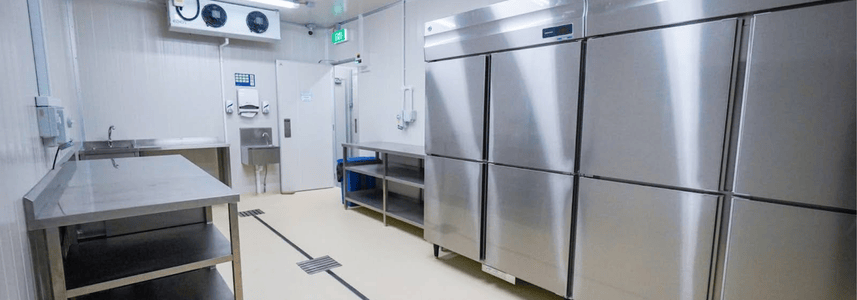
In the pharmaceutical industry, ensuring the integrity of products is crucial, and cold storage room plays a vital role in maintaining that integrity. Proper handling and storage of temperature-sensitive medications can mean the difference between efficacy and loss of effectiveness. Here are some best practices to follow when it comes to pharmaceutical cold storage rooms.
1. Temperature Monitoring and Validation
Effective cold storage management begins with continuous temperature monitoring. Pharmaceuticals are highly sensitive to even minor temperature fluctuations, which can compromise their efficacy or safety. To mitigate these risks, it’s essential to use calibrated temperature monitoring devices that provide real-time data and alerts.
-
Continuous Monitoring: Employ calibrated temperature monitoring devices that provide real-time data and alerts. This ensures immediate detection of deviations from the required temperature range.
- Data Logging: Regularly record and analyze temperature data to identify trends, identify potential issues, and verify compliance with regulatory requirements.
- Validation: Periodically validate the accuracy of temperature monitoring devices against a certified reference thermometer. This ensures that the data collected is reliable and trustworthy.
2. Proper Packaging and Labeling
Packaging plays a crucial role in maintaining the stability of pharmaceuticals throughout storage and transport. Specialized packaging solutions help ensure that temperature-sensitive products remain within the required temperature range.
- Specialized Packaging: Use insulated boxes, refrigerated containers, or other appropriate packaging solutions to maintain the desired temperature during storage and transport.
- Labeling: Clearly label all packages with product information, temperature requirements, and expiration dates.This helps ensure proper handling and storage throughout the supply chain.
- Packaging Integrity: Regularly inspect packaging for damage or signs of compromise. Damaged packaging can affect the temperature stability of the product.
3. Cold Storage Equipment Maintenance
Maintaining cold storage equipment is essential to prevent disruptions and ensure that products remain within their required temperature ranges.
- Regular Inspections: Conduct routine inspections of cold storage equipment, including refrigerators, freezers,and temperature-controlled chambers. Check for mechanical issues, leaks, or signs of wear and tear.
- Preventive Maintenance: Implement a preventive maintenance schedule to address potential problems before they escalate. This includes tasks such as cleaning filters, lubricating moving parts, and calibrating temperature controls.
- Emergency Procedures: Develop and practice emergency procedures for equipment failures or power outages.This ensures a swift response to maintain product integrity.
4. Staff Training and Competency
Well-trained personnel are crucial to maintaining pharmaceutical cold storage. Staff must be knowledgeable about handling procedures, temperature control requirements, and equipment maintenance.
- Comprehensive Training: Provide staff with comprehensive training on cold storage procedures, temperature control requirements, and product handling techniques.
- Competency Assessment: Regularly assess staff competency to ensure they are qualified to handle temperature-sensitive pharmaceuticals.
- Emergency Response Training: Train staff on emergency response procedures, including how to handle equipment failures, power outages, and product recalls.
5. Security and Access Control
Security is a critical aspect of cold storage management. Unauthorized access to storage areas can result in tampering or theft, which can compromise product integrity.
- Restricted Access: Implement measures to restrict access to cold storage areas. This helps prevent unauthorized access and tampering with products.
- Security Systems: Consider installing security systems, such as surveillance cameras or alarm systems, to deter theft and unauthorized entry.
- Access Logs: Maintain accurate records of who has accessed the cold storage area and when. This can be helpful in case of product discrepancies or security breaches.
6. Emergency Preparedness
A comprehensive emergency preparedness plan is essential to safeguard products in the event of unforeseen disruptions.
- Disaster Recovery Plan: Develop a comprehensive disaster recovery plan that outlines procedures for responding to emergencies such as natural disasters, equipment failures, or power outages.
- Backup Storage: Have contingency plans in place to transfer products to alternative storage facilities in case of emergencies.
- Emergency Supplies: Maintain a supply of emergency equipment, such as backup generators or temperature-controlled containers, to ensure product integrity during disruptions.
7. Regulatory Compliance
Adherence to regulations is vital in the pharmaceutical cold storage industry. Companies must stay informed of relevant guidelines and ensure that their practices align with these standards.
- Know the Regulations: Stay informed about relevant regulations and standards governing pharmaceutical cold storage. This includes guidelines from regulatory bodies such as the FDA, EMA, or local health authorities.
- Documentation: Maintain accurate documentation of temperature records, maintenance logs, and training records to demonstrate compliance with regulations.
- Audits: Conduct regular internal audits to identify areas for improvement and ensure compliance with regulatory requirements.
Conclusion
By following these best practices, pharmaceutical companies can establish robust cold storage systems that protect the integrity of their products. Consistent monitoring, proper packaging, staff training, emergency preparedness, and regulatory compliance are essential for ensuring the safety and efficacy of temperature-sensitive medications.
Need help implementing these best practices? Contact Kiat Lay for expert guidance and solutions in cold storage room management. Our team of professionals can assist with equipment selection, installation, maintenance, and compliance.