


Retrofitting Existing Warehouses with Cold Room Storage
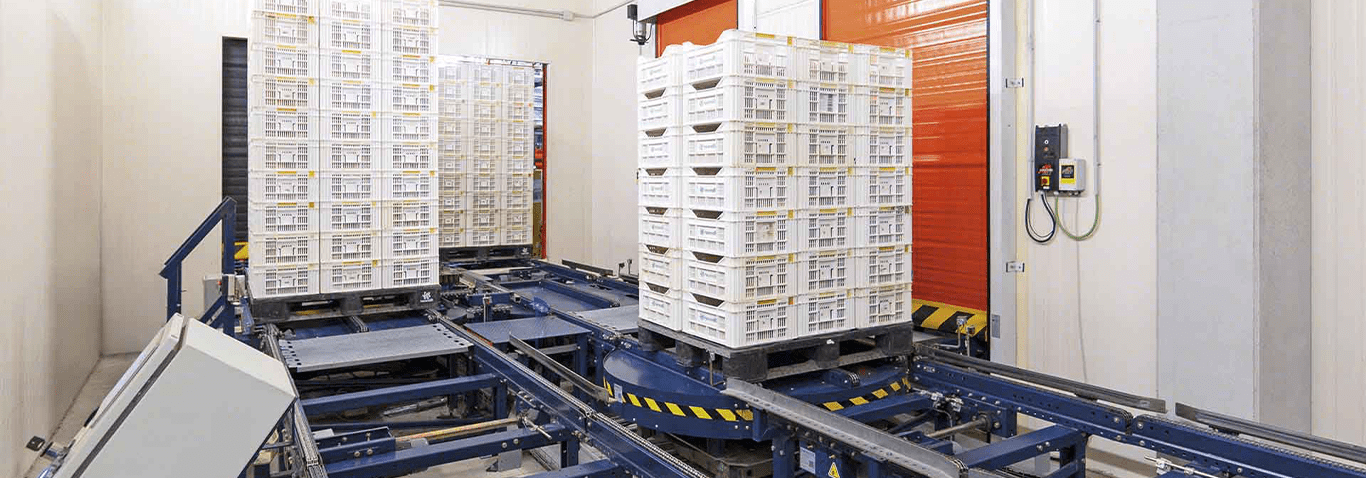
As demand grows for temperature-controlled logistics—especially in food, pharma, and e-commerce—many businesses are facing a tough question: should we build a new cold storage facility, or retrofit our existing warehouse into a cold room warehouse?
Retrofitting existing warehouses with cold room storage can be a smart and cost-effective move. It allows logistics service providers to upgrade capabilities, serve new markets, and meet compliance standards—without relocating or shutting down operations.
In this article, we explore how to assess your facility’s readiness for coldroom upgrades, practical steps to retrofit without disrupting day-to-day business, and cost-conscious solutions used by logistics companies across Singapore.
1. Is Your Warehouse Coldroom-Ready? Key Assessment Points
Before beginning any retrofit, it’s essential to understand if your warehouse can structurally and operationally support coldroom installation. Here’s what to evaluate:
Available Floor Space and Ceiling Height
Cold rooms—especially walk-in chillers and freezers—need adequate footprint and headroom. Consider whether your layout can accommodate modular units, racking systems, or future expansion zones.
Loading Bay Proximity
To maintain the cold chain, the coldroom should be positioned near receiving and dispatch points. If possible, install temperature-controlled dock areas or pre-chill vestibules to minimise temperature fluctuations during loading.
Floor Condition and Load Capacity
Coldroom flooring must be insulated and able to handle heavy equipment like forklifts and pallet jacks. If the current floor lacks insulation or moisture barriers, retrofitting may require additional preparation, such as concrete cutting and re-laying.
Power Supply and Ventilation
Coldrooms demand stable electricity and proper ventilation. Assess whether your current electrical system can handle additional load for compressors, lighting, and sensors. If not, upgrading the power infrastructure is a necessary first step.
Moisture and Drainage
Installing cold storage areas can lead to condensation. Adequate drainage and dehumidification systems must be planned to avoid hygiene and safety issues.
2. Step-by-Step Retrofitting Process
Integrating a coldroom into an operational logistics warehouse requires precision and coordination. Here’s a phased approach that helps minimise disruption:
Step 1: Coldroom Design and Engineering Study
Work with a specialist like Kiat Lay to create a layout plan based on your inventory types, operational flow, and energy goals. This includes selecting the right insulation thickness, refrigeration system, and access points.
Step 2: Material and Equipment Pre-Fabrication
Panels, doors, and compressors can be pre-fabricated off-site to reduce on-site construction time. This limits interference with ongoing warehouse activity.
Step 3: Site Preparation and Utility Upgrade
Schedule any floor works, power upgrades, or ventilation improvements during off-peak hours or in isolated zones. Segment the site to allow continued operations elsewhere in the warehouse.
Step 4: Installation and Commissioning
Coldroom units are assembled on-site. Once installed, a commissioning process ensures correct temperature zoning, humidity control, and sensor calibration.
Step 5: Staff Training and SOP Integration
After commissioning, staff should be briefed on new handling procedures, safety protocols, and maintenance practices to ensure smooth handover and efficient daily operation.
3. Retrofitting Existing Warehouses: Cost-Effective Retrofitting Solutions
Retrofitting a cold room warehouse doesn’t always require a full-scale rebuild. There are several smart, budget-friendly options for different operational needs:
Modular Coldroom Units
Modular walk-in chillers and freezers can be installed in phases and even relocated if necessary. This is ideal for 3PL providers whose client demands change seasonally.
Shared Dock-Access Cold Rooms
Instead of installing multiple coldrooms across the warehouse, centralise cooling zones near docks. A single, shared cold room with dedicated racking and staging areas can serve multiple product lines.
Energy-Efficient Add-Ons
Invest in insulation upgrades, fast-acting doors, LED lighting, and inverter-driven compressors. These improve coldroom performance while reducing operating costs.
Smart Monitoring Systems
Install temperature and humidity sensors that connect to your warehouse dashboard or mobile app. Real-time alerts prevent spoilage and help meet regulatory compliance without adding extra labour.
4. Case Study: FMCG Logistics Provider – Tampines
A mid-sized logistics company in Tampines managed a dry goods warehouse but started receiving contracts for chilled food distribution. Instead of relocating or building a new facility, they retrofitted part of their existing space.
Kiat Lay’s Retrofit Solution Included:
- A modular chiller room with insulated PU panels.
- Racking layout optimised for carton flow and FIFO handling.
- Dock-level integration with air curtains and fast-closing doors.
- Smart monitoring with 24/7 temperature alerts.
Results:
- Retrofit completed in under 4 weeks without halting warehouse operations.
- New cold chain revenue stream added within 2 months.
- Operating costs 15% lower than projected due to efficient design.
5. Case Study: Pharmaceutical Distributor – Changi
A pharmaceutical distributor near Changi Airport needed a cold room (2–8°C) to store vaccines and temperature-sensitive medicines. The challenge: their building was not originally designed for refrigeration.
Kiat Lay’s Retrofitting Approach:
- Strengthened the concrete floor with thermal insulation and drainage.
- Installed a high-performance refrigeration system with backup generators.
- Created a multi-zone layout with temperature mapping and audit trail logging.
- Integrated access control to meet HSA compliance.
Outcome:
- Cold room passed regulatory inspection on first audit.
- Zero temperature excursions reported in the first six months.
- Improved confidence from pharmaceutical clients.
Conclusion: Build Smarter with Retrofitting
For logistics providers looking to enter the cold chain space or expand chilled capacity, retrofitting existing warehouses offers a practical, lower-risk path. When done right, it maximises your facility’s existing value while opening new business opportunities.
With careful assessment, smart design, and efficient installation, coldroom retrofits can be completed with minimal disruption and strong ROI.
Need help transforming your warehouse into a cold-ready logistics hub?
Kiat Lay Coldroom Specialists brings deep experience in designing, engineering, and installing coldroom systems for operational environments in Singapore. From feasibility studies to turnkey builds, we help you retrofit with confidence—offering options like ASRS (Automated Storage and Retrieval Systems) to enhance efficiency and maximize profitability.
Visit www.kiatlay.com.sg to learn more or contact our team for a consultation.