


Challenges in Cold Storage for Seafood Exports
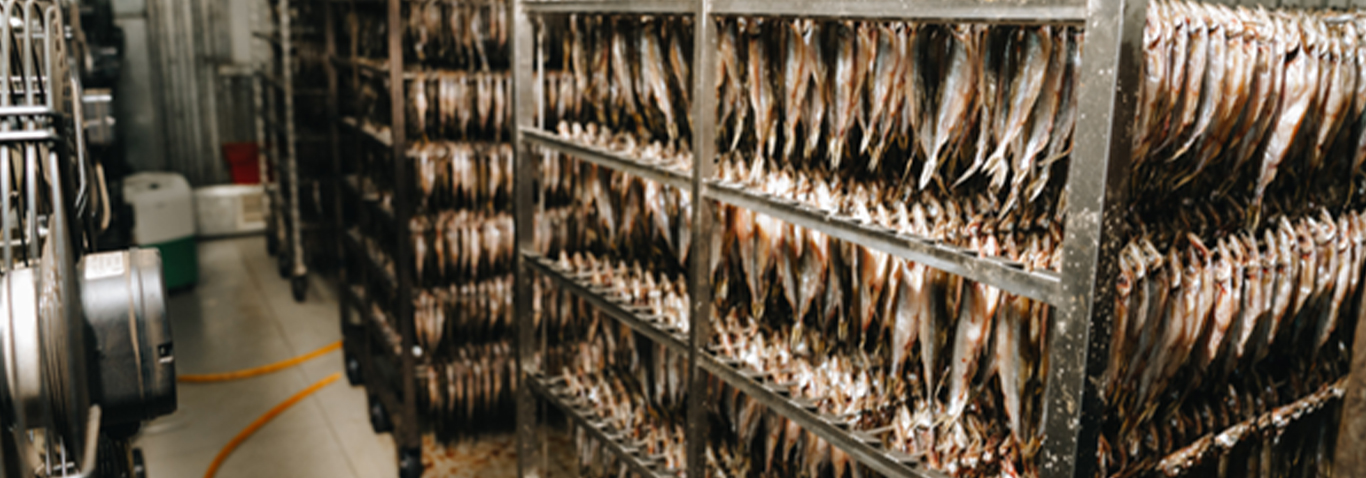
When it comes to exporting seafood, maintaining product freshness and quality is not just a preference—it’s a strict requirement. From freshly caught prawns to frozen tuna loins, seafood is among the most perishable commodities in the global food trade. Behind the scenes, cold food storage plays a critical role in overcoming cold storage challenges and ensuring seafood reaches its destination in prime condition.
But as simple as it may seem, storing seafood for export involves a complex network of processes, compliance standards, and technologies. Let’s explore the key challenges in cold storage for seafood exports and how companies can overcome them to maintain quality, comply with regulations, and protect their bottom line.
1. Temperature-Sensitive Requirements for Different Types of Seafood
One of the greatest challenges in seafood cold storage is that different types of seafood require different storage temperatures. This isn’t a one-size-fits-all scenario. Each product type—whether live, fresh, or frozen—has its own optimal temperature range, and any deviation can result in rapid spoilage or diminished quality.
For example:
- Live shellfish (like oysters, mussels, and clams) are typically stored at 0–4°C to keep them alive without freezing.
- Fresh fish fillets need temperatures close to 0°C to maintain texture and freshness.
- Frozen seafood, such as squid or prawns, must be stored at -18°C or lower to prevent thawing and bacterial growth.
Case in Point: A Singapore-based seafood exporter once faced issues with a mixed cold storage room where frozen prawns and fresh salmon were stored together. The compromise temperature (around -10°C) was too cold for the salmon and not cold enough for the prawns, resulting in texture degradation and freezer burn in the frozen products. Eventually, the company resolved the issue by redesigning the storage space into segmented zones with independent temperature controls—an investment that reduced wastage and minimized customer complaints
2. The Impact of Coldroom Design on Preventing Ice Crystallization
Ice crystallization is a silent quality killer in frozen seafood exports. When operators do not handle the freezing or storage process correctly, large ice crystals form within the seafood’s tissues. As a result, this damages cellular structure and, upon thawing, causes loss of moisture, mushy textures, and off-flavours.
What causes ice crystallization?
- Slow freezing speeds
- Fluctuating storage temperatures
- Inadequate insulation or cooling systems in the coldroom
Case in Point:A cold storage facility in Johor that exported frozen cuttlefish to Japan faced rejections due to quality defects. Upon investigation, it was revealed that their coldroom had poor air circulation, leading to uneven cooling. Consequently, slightly higher temperatures at the rear of the room exposed products, causing them to partially thaw and refreeze—ideal conditions for ice crystal formation.
To address this issue, the facility consulted with coldroom specialists, who retrofitted it with blast freezers to ensure rapid freezing and improved airflow designs for uniform temperatures.
As a result, rejection rates dropped by 60% in just three months.
Design Tip from Kiat Lay: Incorporate high-efficiency evaporator fans, adjustable shelving for airflow clearance, and humidity controls in your coldroom to maintain product integrity and prevent crystallization.
3. Compliance with International Export Regulations for Frozen Seafood
Beyond just quality control, seafood exporters must also navigate a complex web of international standards and compliance regulations, particularly concerning cold chain documentation, hygiene standards, and temperature monitoring.
Some key regulations include:
- HACCP (Hazard Analysis Critical Control Points) compliance for food safety
- EU and FDA regulations for storage temperatures and traceability
- Sanitary certifications issued by relevant authorities for each export batch
- Continuous temperature logging, required by many importers to verify an unbroken cold chain
Case in Point: A seafood exporter in Vietnam shipping frozen fish to the European Union faced major setbacks when port authorities held one of their containers due to missing temperature log reports. Although the container was properly frozen, its lack of documentation caused delays and penalties.
Learning from this, the company implemented a cloud-based IoT temperature monitoring system, which not only ensured real-time data tracking but also enabled quick sharing of records with buyers and authorities. This level of transparency soon became a competitive edge, helping them win long-term contracts.
Tip for Exporters: Choose coldroom setups that support automated temperature logging, and work with vendors like Kiat Lay who can integrate monitoring systems from the ground up.
Final Thoughts: Why the Right Coldroom Partner Matters
Given the intricacies of seafood cold storage—from species-specific temperature needs to international compliance—it’s no longer enough to just “keep things cold.” It takes smart design, dependable systems, and future-ready features to run a successful seafood export operation.
At Kiat Lay Coldroom Specialist, we help logistics businesses and exporters design and build custom coldrooms that meet rigorous industry demands. Whether you ship to Tokyo or Toronto, our solutions deliver temperature precision, maximize energy efficiency, and meet regulatory compliance.
Need help upgrading your seafood coldroom?
Reach out to the Kiat Lay team today—we’ll tailor a solution that keeps your exports cool, compliant, and competitive.