


What to Consider Before Upgrading to a Larger Industrial Cold Room
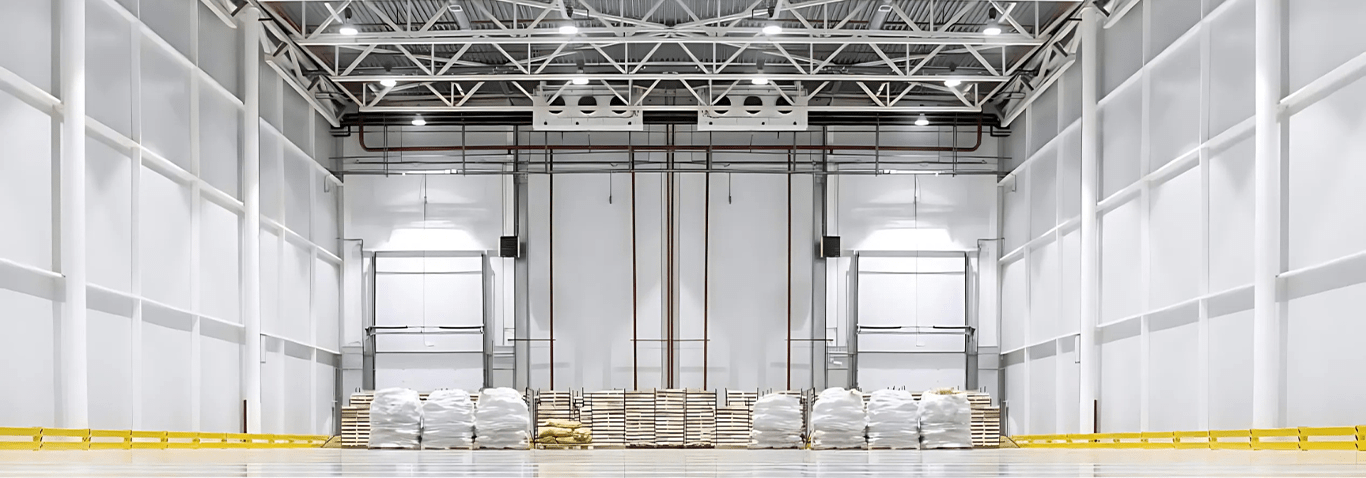
In Singapore’s competitive logistics industry, the capacity and efficiency of cold storage facilities play a critical role in meeting client needs. A well-designed industrial cold room ensures the smooth handling of temperature-sensitive goods, from pharmaceuticals to fresh produce. However, as businesses grow, the existing cold room infrastructure may no longer be sufficient.
Upgrading to a larger industrial cold room is not just a construction decision—it’s a strategic investment. This article explores the signs that indicate your logistics business has outgrown its current cold room, the cost-versus-benefit considerations, and how to plan a transition without disrupting operations.
Signs Your Logistics Business Has Outgrown Its Current Cold Room
Recognizing the right time to expand is crucial. Some common signs include:
- Frequent Overcapacity
If pallets and cartons are constantly stacked beyond the recommended height, airflow and cooling efficiency may be compromised. This increases the risk of temperature excursions, product damage, and food safety breaches.
- Rising Energy Bills
An undersized cold room often forces refrigeration units to work harder, leading to higher electricity costs and more frequent breakdowns.
- Limited Operational Flexibility
When every inch of space is occupied, there’s little room for sorting, repacking, or staging outgoing shipments. This creates bottlenecks, particularly during peak seasons such as festive holidays or pharmaceutical launches.
- Client Turnaways
Perhaps the clearest signal: having to reject new contracts because existing storage cannot cope. This means lost revenue opportunities and potential damage to your reputation.
Case Example:
A mid-sized logistics provider in Jurong noted a 25% increase in demand from food manufacturers after expanding its e-commerce partnerships. Their 200m² cold room quickly became overcrowded, forcing them to rent short-term external storage. Eventually, the costs outweighed the convenience, prompting an upgrade to a 500m² cold room with multi-zone temperature controls.
Cost vs Benefit Analysis of Larger Cold Room Construction
An industrial cold room expansion involves significant investment, and careful financial planning is necessary.
1. Upfront Costs
- Construction and materials – insulated panels, flooring, and vapor barriers.
- Refrigeration systems – larger compressors, condensers, and backup systems.
- Compliance upgrades – meeting GDP, HACCP, or SFA requirements.
2. Ongoing Costs
- Higher utility consumption if energy efficiency is not prioritized.
- Maintenance of larger refrigeration systems.
- Staff training for safe operations in larger spaces.
3. Benefits
- Revenue growth from securing bigger contracts with F&B chains, pharmaceutical firms, or biotech companies.
- Operational efficiency with better racking systems, zoned cooling, and smoother workflows.
- Future-proofing for at least 5–10 years of projected demand growth.
Case Example:
A cold chain logistics firm in Tuas invested S$3 million in a larger facility, including a -20°C freezer zone and a 2–8°C pharmaceutical storage room. Within a year, the company recovered 40% of its investment through new client contracts and reduced external storage rentals.
Planning the Transition Without Disrupting Operations
One of the biggest risks of upgrading is operational downtime. Clients expect seamless service, even during major infrastructure changes. Careful planning helps to minimize disruption:
- Phased Construction
Instead of shutting down the existing cold room, build the new one in stages or on an adjacent site. This allows storage operations to continue without interruption.
- Temporary Storage Solutions
Partnering with third-party cold storage providers for interim capacity can prevent product loss during construction.
- Inventory Management
Schedule the upgrade during low-demand seasons to reduce strain. For example, avoid major expansions during the year-end holiday surge when F&B demand peaks.
- Client Communication
Proactively informing clients about the transition builds trust. When clients know there’s a plan to improve capacity, they are more likely to remain loyal during the transition phase.
Case Example:
A logistics operator in Changi handling pharmaceutical imports upgraded its facility by constructing a new cold room in phases. During the transition, they used mobile reefer containers for overflow storage. Clients experienced zero disruption, and the new cold room doubled capacity while achieving GDP certification.
Strategic Considerations for Long-Term Success
When planning a larger cold room, it’s important to think beyond immediate capacity.
- Energy efficiency: Investing in high-performance insulation and variable speed compressors reduces long-term costs.
- Technology integration: IoT-enabled sensors and cloud-based monitoring provide real-time visibility of storage conditions.
- Scalability: Modular cold rooms allow operators to expand further without another full rebuild.
- Regulatory compliance: Designing with future regulations in mind ensures smooth audits and client confidence.
Conclusion
Upgrading to a larger industrial cold room is a strategic move that requires careful evaluation. Businesses should recognize early signs of overcapacity, weigh the costs against long-term benefits, and plan the transition with minimal operational disruption.
The investment not only prevents product losses but also strengthens competitiveness, enabling logistics providers to attract more demanding clients in pharmaceuticals, food, and biotech.
For logistics companies in Singapore, the right cold room upgrade can mean the difference between missing opportunities and becoming a preferred partner in the cold chain.