


Cold Room Design for Pharmaceutical Product Recall Readiness
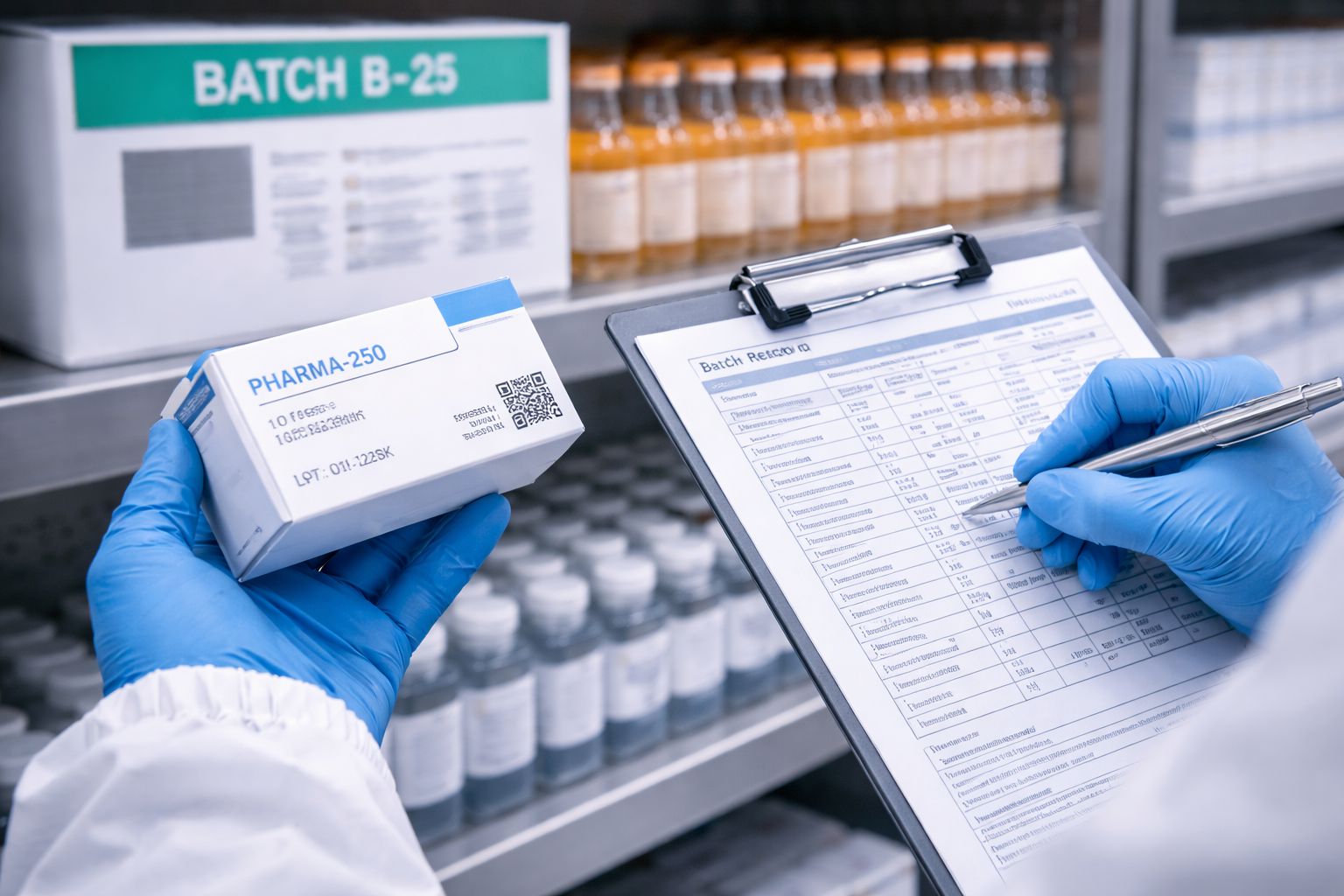
Product recalls are among the most sensitive events in pharmaceutical operations. They can affect patient safety, regulatory compliance, inventory availability, and business reputation. While recalls are often linked to manufacturing, labelling, quality, or distribution issues, cold room design also plays an important role in how quickly and accurately a facility can respond.
A pharmaceutical cold room should do more than preserve temperature-sensitive products. It should support batch-level visibility, controlled product isolation, clear stock status, secure access, and documented storage conditions. When these elements are built into the design, operators can respond to recalls with greater speed and confidence.
Recall readiness is not only about having a procedure on paper. It also depends on whether the cold storage infrastructure can support that procedure during a real event.
This article explains how cold room design supports pharmaceutical product recall readiness, with a focus on compartmentalised storage, traceability, monitoring systems, compliant layouts, and operational continuity.
What Is Pharmaceutical Recall Readiness in Cold Storage?
Pharmaceutical recall readiness refers to a facility’s ability to quickly identify, isolate, verify, and manage affected products when a recall is issued. In cold storage environments, this must be done without compromising the temperature conditions of unaffected inventory.
A recall-ready pharmaceutical cold room should allow teams to answer key questions quickly:
- Where is the affected batch stored?
- How much stock is currently in the facility?
- Has the product been moved, picked, returned, or dispatched?
- What temperature conditions was it exposed to?
- Can the affected stock be isolated without disrupting unrelated inventory?
- Are records available for internal review, client reporting, and regulatory inspection?
The faster these answers are available, the more effectively a facility can contain risk and maintain control.
Why Cold Room Design Matters During a Product Recall
During a recall, delays and uncertainty can increase risk. If a facility cannot locate affected products quickly, more stock may need to be held, investigated, or removed as a precaution.
Good cold room design reduces this uncertainty by creating clear storage zones, reliable monitoring records, and structured inventory movement.
A recall-ready cold room helps pharmaceutical operators:
- Isolate affected batches faster
- Protect unaffected products from unnecessary disruption
- Maintain temperature control during recall handling
- Provide accurate documentation for audits and investigations
- Reduce avoidable product loss
- Support patient safety and supply continuity
- Maintain confidence with clients, regulators, and healthcare partners
In pharmaceutical cold chain operations, the cold room is part of the risk control system, not just a storage room.
1. Compartmentalised Storage for Fast Batch Isolation
Speed matters during a product recall. The ability to locate and isolate affected batches determines how quickly a facility can contain the issue.
Compartmentalised cold room design allows products to be separated by batch, lot number, client, product category, storage status, or distribution channel. This makes it easier to identify the affected stock and remove only what is necessary.
Cold rooms can be compartmentalised by:
- Batch or lot number
- Product type, such as vaccines, biologics, injectables, or specialty medicines
- Client ownership
- Storage temperature requirement
- Release, hold, quarantine, return, or recall status
- Distribution route or destination
Key Design Features
A recall-ready compartmentalised layout may include:
- Clearly labelled shelving and racking
- Dedicated compartments or partitioned zones
- Client-specific storage areas
- Batch-specific location assignment
- Controlled access to restricted stock
- Separate quarantine and recall holding areas
- Clear movement paths for affected products
For example, a pharmaceutical distributor with a multi-zone cold room can separate inventory by client and batch. If one batch is recalled, staff can locate and isolate the affected stock without searching through mixed inventory or interrupting other operations.
This reduces downtime, limits unnecessary stock movement, and helps prevent unaffected products from being mistakenly included in the recall process.
2. Recall Holding Areas for Controlled Product Isolation
Once affected products are identified, they must be moved or secured in a way that prevents accidental redistribution. A dedicated recall holding area gives teams a controlled space to store affected stock while investigations, documentation, or disposal decisions are completed.
Recall holding areas should be:
- Clearly labelled
- Physically separated from approved stock
- Accessible only to authorised personnel
- Maintained at the required temperature range
- Linked to inventory and recall documentation
- Large enough to handle realistic recall volumes
In some facilities, recall holding may be part of a broader quarantine cold room. In others, it may require a dedicated secured zone, especially for high-value, high-risk, or regulated pharmaceutical products.
The goal is to prevent recalled products from re-entering normal inventory by mistake while keeping them under controlled storage conditions.
3. Real-Time Monitoring to Prevent Escalation
Some pharmaceutical recalls or product investigations are linked to temperature excursions. Even short periods outside the required temperature range can affect product integrity, especially for vaccines, biologics, and other sensitive medicines.
Real-time monitoring helps operators detect temperature issues early, respond faster, and document what happened.
Modern pharmaceutical cold rooms may include:
- Continuous temperature sensors across multiple zones
- Humidity monitoring where required
- Automated alerts for deviations
- Alarm escalation to responsible personnel
- Remote dashboard access
- Data logging for audits and investigations
- Backup monitoring for critical areas
For example, a clinical research facility with automated monitoring may receive an after-hours alert when a temperature fluctuation occurs. Staff can respond quickly, check the affected zone, and document corrective action before the issue becomes more serious.
Monitoring does not only support recall response. It can also help prevent temperature-related product loss before it becomes a wider quality issue.
4. Temperature Mapping and Storage Stability
A cold room may appear to operate within range, but temperature conditions can vary across different shelves, corners, doorways, and airflow paths. Temperature mapping helps identify hot spots, cold spots, and areas that may not be suitable for sensitive pharmaceutical products.
For recall readiness, this matters because the facility may need to confirm whether affected stock was stored under acceptable conditions.
A well-designed pharmaceutical cold room should consider:
- Evaporator placement
- Airflow distribution
- Door opening frequency
- Shelving arrangement
- Product loading density
- Sensor placement
- Insulation performance
- Maintenance access for refrigeration systems
Stable temperature performance reduces uncertainty during investigations and helps protect the integrity of both affected and unaffected stock.
5. Enhancing Traceability and Compliance
Traceability is essential during a pharmaceutical recall. Operators must be able to identify affected products by batch, location, movement history, storage status, and temperature exposure.
Cold room design supports traceability when physical layouts are aligned with digital inventory systems and documented procedures.
Useful traceability features include:
- Barcode or RFID tracking
- Batch and lot number control
- Clearly labelled storage locations
- Digital inventory records
- Warehouse management system integration
- Movement logs for receiving, picking, quarantine, recall, and dispatch
- Access records for restricted zones
- Temperature records linked to specific storage areas
FIFO, FEFO, and Batch Control
In pharmaceutical storage, first-expiry, first-out control is often more important than simple first-in, first-out stock movement. Products should be stored and retrieved according to expiry, release status, and batch requirements.
A hospital pharmacy with RFID tracking and compartmentalised shelving, for example, can verify affected and unaffected stock more quickly during a recall. This helps avoid unnecessary disposal and supports continuity of supply for products that remain safe for use.
Strong traceability reduces the recall scope, shortens investigation time, and improves confidence in the facility’s records.
6. Compliance-Driven Cold Room Layouts
Pharmaceutical storage facilities must be able to demonstrate control over product status, storage conditions, access, and movement. This is important for Good Distribution Practice, Good Manufacturing Practice, internal quality systems, and client-specific requirements where applicable.
A compliance-driven cold room layout makes correct handling easier to follow during routine operations and high-pressure recall events.
Important design elements include:
- Clear separation between approved, quarantined, returned, recalled, and rejected stock
- Restricted access for sensitive areas
- Hygienic and cleanable surfaces
- Documented storage zones
- Audit-ready monitoring records
- Defined recall movement routes
- Adequate space for inspection and verification
- Temperature control suitable for the product profile
During an audit or recall review, the facility should be able to show:
- Where affected products were stored
- Who accessed or moved them
- What conditions they were stored under
- Whether any temperature deviations occurred
- How recalled stock was isolated
- What corrective actions were taken
This level of control helps reduce regulatory uncertainty and supports a more structured recall response.
7. Hygienic Materials and Contamination Control
Although not every recall is contamination-related, pharmaceutical cold rooms should still be designed for hygiene and cleanability. If products need to be inspected, isolated, or handled during a recall, the storage environment must support controlled and safe procedures.
Useful construction features include:
- Non-porous insulated panels
- Sealed joints and cleanable surfaces
- Suitable flooring for pharmaceutical storage
- Corrosion-resistant fixtures where required
- Well-planned drainage where applicable
- Easy access for cleaning and maintenance
- Clear separation between product status areas
Hygienic construction also supports day-to-day quality control. It reduces contamination risk, simplifies cleaning procedures, and helps maintain a controlled storage environment.
8. Redundancy and Backup Planning for Recall Resilience
During a recall, the facility may need to hold affected products for longer than usual while investigations are carried out. Any equipment failure during this period can create further risk and complicate decision-making.
Recall-ready cold rooms should consider:
- Backup power planning
- Redundant refrigeration capacity where required
- Alarm escalation procedures
- Preventive maintenance access
- Emergency response procedures
- Spare parts planning for critical components
- Clear contingency workflows for product transfer
For pharmaceutical operators, redundancy is not only a technical upgrade. It protects operational continuity and reduces the risk of product loss during already sensitive situations.
9. Preventing Recalls Through Better Cold Room Design
Cold room design is important during recalls, but it can also reduce the risk of storage-related product issues in the first place.
Stable temperature control, reliable monitoring, proper airflow, clear segregation, and disciplined stock movement all help reduce avoidable deviations. This is especially important for high-value pharmaceutical products that may require narrow storage ranges such as 2°C to 8°C, frozen conditions, or other validated temperature profiles.
Cold rooms that support prevention typically include:
- High-performance insulation
- Correctly sized refrigeration systems
- Uniform airflow design
- Real-time monitoring
- Well-positioned sensors
- Structured shelving
- Controlled door access
- Preventive maintenance planning
The best recall strategy is not only to respond faster. It is also to reduce the number of preventable storage incidents that could trigger investigations or product loss.
10. Future-Proofing Cold Rooms for Pharmaceutical Risk Management
Pharmaceutical supply chains are becoming more complex. Facilities may need to handle more specialised products, more client requirements, stricter documentation expectations, and faster recall response timelines.
Future-ready cold rooms are designed to adapt without compromising control.
Useful future-ready features include:
- Modular cold room construction
- Flexible zoning for batch, client, or product separation
- IoT-enabled monitoring systems
- Predictive maintenance capability
- Digital inventory platform integration
- Enhanced access control
- Scalable racking and shelving
- Space planning for future capacity or automation
For pharmaceutical operators, future-proofing is about reducing disruption, improving risk visibility, and keeping the storage system ready for evolving compliance demands.
Key Cold Room Design Checklist for Recall Readiness
A recall-ready pharmaceutical cold room should include:
- Compartmentalised storage for batch or client separation
- Dedicated recall and quarantine holding areas
- Clearly labelled shelves, zones, and product status areas
- Barcode, RFID, or digital inventory tracking
- Continuous temperature monitoring and data logging
- Temperature mapping to verify storage performance
- Restricted access control for sensitive products
- Defined movement routes for affected stock
- Hygienic, cleanable construction materials
- Backup refrigeration and power planning where required
- Audit-ready records for storage, access, and product movement
- Scalable design for future product or client requirements
Conclusion
A pharmaceutical product recall is a high-risk event, but its impact can be reduced when the right cold room infrastructure is in place. A recall-ready cold room helps teams identify affected batches quickly, isolate products safely, protect unaffected stock, and provide reliable documentation for audits, investigations, and client reporting.
Kiat Lay has over 40 years of experience in cold room construction, freezer room systems, walk-in chillers, and temperature-controlled facilities for commercial and industrial operations.
Speak with Kiat Lay to discuss a pharmaceutical cold room designed for recall readiness, compliance support, and dependable product protection.
FAQs About Pharmaceutical Cold Room Design for Recall Readiness
How does cold room design support pharmaceutical recall readiness?
Cold room design supports recall readiness by helping teams locate affected batches quickly, isolate recalled products safely, maintain temperature control, and provide accurate records of storage conditions and product movement.
What is a recall-ready pharmaceutical cold room?
A recall-ready pharmaceutical cold room is a controlled storage environment designed with batch segregation, clear labelling, traceability systems, monitoring records, restricted access, and dedicated recall or quarantine holding areas.
Why is batch segregation important during a pharmaceutical recall?
Batch segregation is important because it allows affected products to be identified and isolated without disrupting unrelated stock. This reduces recall scope, limits product loss, and supports faster investigation.
What is the difference between a quarantine area and a recall holding area?
A quarantine area is used for products pending inspection, release, investigation, return, or quality decision. A recall holding area is specifically used to secure recalled products and prevent them from re-entering normal inventory. In some facilities, both functions may be managed within a controlled quarantine cold room.
What temperature should recalled pharmaceutical products be stored at?
Recalled pharmaceutical products should continue to be stored according to their approved storage requirements unless quality teams or regulators instruct otherwise. Many chilled pharmaceutical products require 2°C to 8°C, but the correct range depends on the product.
How does real-time monitoring help during a recall?
Real-time monitoring helps by providing continuous visibility of temperature conditions. It can alert teams to deviations, support fast corrective action, and provide documented records for recall investigations or audits.
Why is traceability important in pharmaceutical recall management?
Traceability is important because operators must know where affected products are stored, how they moved through the facility, who handled them, and what conditions they experienced. Strong traceability supports accurate recall reporting and compliance.
Can cold room design help prevent pharmaceutical recalls?
Yes. Cold room design can help reduce storage-related issues by maintaining stable temperatures, supporting proper airflow, improving stock segregation, enabling early deviation alerts, and reducing handling errors.
What features should a recall-ready pharmaceutical cold room include?
Key features include compartmentalised storage, dedicated recall or quarantine zones, clear labelling, barcode or RFID tracking, continuous temperature monitoring, temperature mapping, restricted access, hygienic materials, and backup system planning.
When should a pharmaceutical facility upgrade its cold room for recall readiness?
A facility should consider upgrading when it has poor batch visibility, limited monitoring, weak access control, unclear quarantine or recall areas, inconsistent temperature performance, slow product retrieval, or difficulty producing audit-ready records.