


Cold Room Design for High-Turnover Pharmaceutical Distribution Hubs
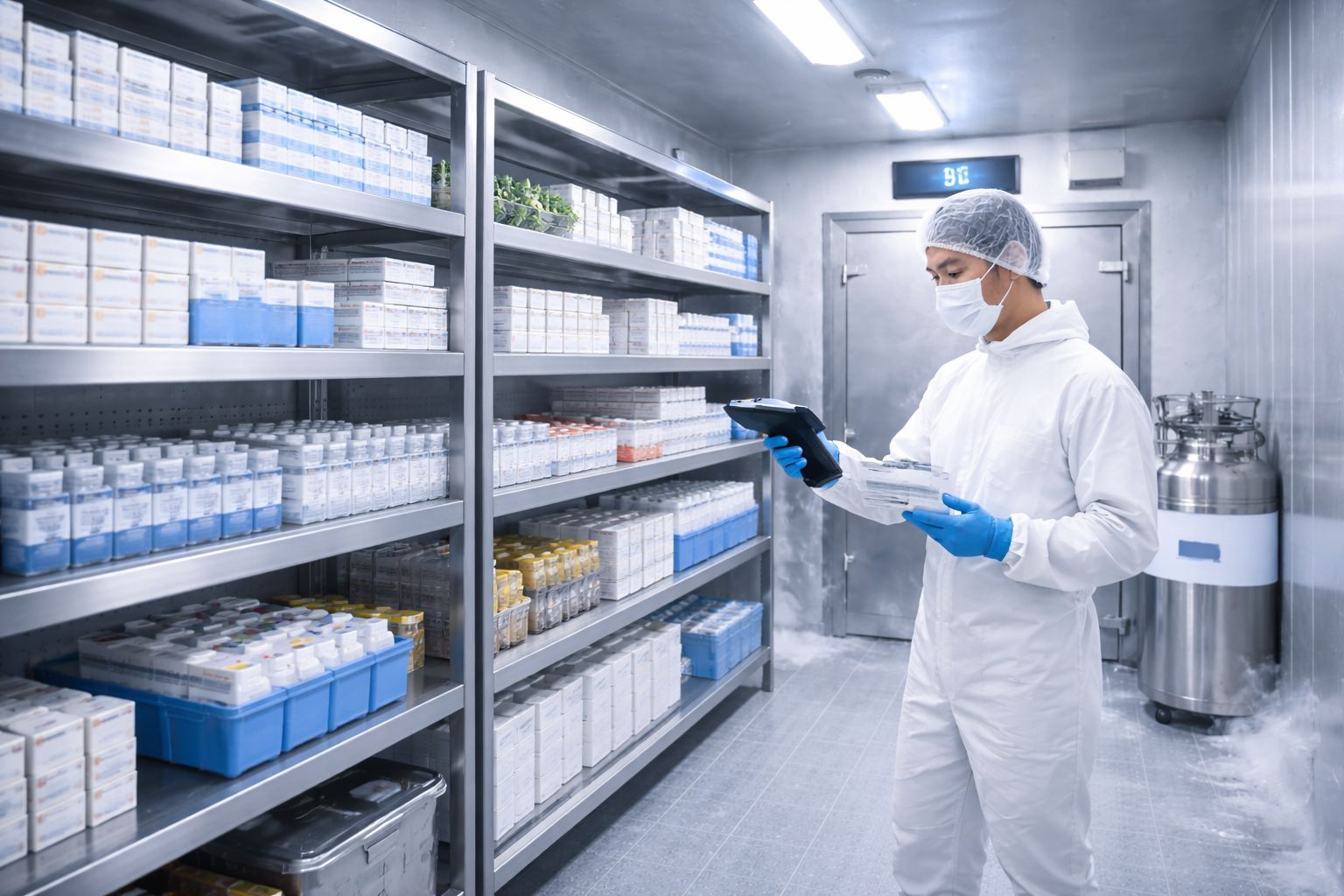
High-turnover pharmaceutical distribution hubs operate under constant pressure. Products must be received, checked, stored, picked, packed, and dispatched quickly while remaining within controlled temperature conditions.
For facilities handling vaccines, biologics, specialty medicines, clinical trial materials, and other temperature-sensitive products, speed cannot come at the expense of accuracy or compliance. A delay can affect delivery timelines. A picking error can affect traceability. A temperature excursion can compromise product integrity.
This is why cold room design is a critical part of pharmaceutical distribution performance. A well-planned cold room supports faster workflows, stable storage conditions, clear batch control, and reliable dispatch operations.
This article explains how cold room systems can be designed for high-turnover pharmaceutical distribution hubs, with a focus on workflow layout, rapid-access storage, traceability, monitoring, compliance, and future scalability.
What Is a High-Turnover Pharmaceutical Distribution Hub?
A high-turnover pharmaceutical distribution hub is a temperature-controlled facility where pharmaceutical products move in and out frequently throughout the day. Unlike long-term storage facilities, these hubs are built around fast product movement, frequent order picking, and time-sensitive dispatch.
These facilities may support:
- Vaccine distribution
- Hospital and clinic supply
- Specialty drug fulfilment
- Pharmaceutical wholesale distribution
- Clinical trial logistics
- Multi-client pharmaceutical storage
- Regional cold chain distribution
Because products are handled frequently, the cold room must support both speed and control. Every design choice should help teams move faster without increasing temperature risk, handling errors, or compliance gaps.
Why Cold Room Design Matters in Fast-Moving Pharmaceutical Operations
In high-turnover pharmaceutical hubs, the cold room is not simply a storage space. It functions as part of the facility’s receiving, picking, holding, and dispatch workflow.
Poor cold room design can lead to:
- Excessive door openings
- Temperature fluctuations near access points
- Congested picking areas
- Slow product retrieval
- Misplaced stock
- Higher risk of batch handling errors
- Delayed dispatch
- Difficulty producing audit-ready records
A well-designed pharmaceutical cold room helps prevent these issues by organising products according to movement frequency, storage conditions, batch status, and dispatch workflow. This gives operators better control over both daily performance and product integrity.
1. Optimising Cold Room Layouts for Speed and Accuracy
High-turnover hubs need layouts that support fast, predictable movement. Staff should be able to enter, identify the right product, pick accurately, and exit without unnecessary travel or congestion.
The layout should be planned around the real movement of goods, from receiving to storage, picking, staging, and dispatch.
Key layout strategies include:
Zoning by Product Movement
Fast-moving pharmaceutical products should be positioned in accessible zones near picking or dispatch areas, while slower-moving inventory can be stored deeper within the cold room. This reduces travel time and limits unnecessary movement through sensitive storage areas.
Short Travel Paths
Shorter walking and handling routes improve picking speed. They also reduce the time doors remain open, which supports better temperature stability during busy periods.
Protected Storage Areas
Highly sensitive or lower-turnover products should be stored in more protected zones with less traffic. This helps maintain stable conditions and reduces unnecessary handling.
Clear Receiving and Dispatch Flow
A high-turnover facility should avoid cross-traffic between incoming and outgoing products. Separate movement paths for receiving, storage replenishment, picking, and dispatch can reduce congestion and improve accuracy.
For example, a pharmaceutical logistics centre may experience temperature inconsistency near the cold room entrance due to frequent access. By reorganising the layout into a guided flow system, with fast-moving items near the front and sensitive stock away from high-traffic areas, the facility can improve both fulfilment speed and storage stability.
2. Rapid-Access Storage Solutions for Frequent Picking
Frequent access is unavoidable in high-turnover pharmaceutical distribution. However, each door opening allows warm air to enter and cold air to escape.
Rapid-access design helps teams retrieve products quickly while reducing exposure to external temperature conditions.
Useful rapid-access features include:
Ante-Rooms and Buffer Zones
An ante-room acts as a temperature buffer between the external environment and the main cold room. This helps reduce sudden temperature changes when staff or goods move in and out frequently.
Pass-Through Windows or Access Panels
For small, fast-moving items, pass-through systems can reduce the need to open the main cold room door. This is useful for facilities that handle frequent single-item or small-batch picking.
Dedicated Picking Zones
A front-facing picking zone can hold fast-moving products while bulk stock remains in a more stable rear storage area. This reduces movement inside the main cold room and keeps high-volume activity contained.
Air Curtains and Strip Curtains
Air curtains and strip curtains can help reduce cold air loss during short access periods. They should be selected and installed based on the cold room’s airflow pattern, access frequency, and hygiene requirements.
For example, a distributor handling paediatric vaccines may use a split cold room layout with a smaller rapid-pick section and a larger rear storage area. This allows staff to retrieve frequent orders quickly while protecting bulk inventory from unnecessary access.
3. Staging Areas for Faster Dispatch
High-turnover distribution hubs need dedicated spaces where picked products can be checked, grouped, and prepared for dispatch.
A cold room or walk-in chiller can be designed with staging areas that support route-based, client-based, or time-based order preparation. This helps teams avoid last-minute picking and reduces delays at the loading stage.
Effective staging areas may include:
- Pre-dispatch holding zones
- Route-based order sections
- Client-specific dispatch shelves
- Clearly labelled picked-order areas
- Separate areas for urgent or same-day dispatch
- Space for verification before loading
Staging is especially important for pharmaceutical products because dispatch accuracy, temperature control, and traceability must remain intact until the order leaves the facility.
When designed well, staging areas help teams prepare orders earlier, reduce congestion near exits, and maintain a smoother dispatch rhythm during peak periods.
4. Enhancing Traceability and Batch Control
Traceability is critical in pharmaceutical distribution. In the event of a product recall, quality issue, expiry concern, or client enquiry, the facility must be able to locate and verify stock quickly.
Cold room design supports traceability when storage zones, shelf locations, batch records, and inventory systems work together.
Best practices include:
Compartmentalised Storage Zones
Products can be separated by batch, product category, client, release status, or distribution channel. This reduces the risk of mix-ups and supports faster batch isolation when needed.
Clearly Labelled Shelving
Each rack, shelf, bay, or compartment should have a clear location identity. This allows staff to retrieve products accurately without relying on memory or informal storage habits.
FEFO Stock Rotation
In pharmaceutical storage, first-expiry, first-out control is usually more relevant than simple first-in, first-out movement. This helps reduce expiry risk and supports proper stock rotation.
Access Control by Zone
Restricted zones help maintain accountability for sensitive products. Only authorised staff should access areas used for high-value, controlled, quarantined, or client-specific stock.
For example, a pharmaceutical distributor managing multiple client inventories may use a multi-zone cold room with barcode tracking. During a recall, affected batches can be identified and isolated quickly without disrupting unrelated stock.
5. Smart Monitoring and Automation for Real-Time Control
Fast-moving pharmaceutical facilities need continuous visibility over storage conditions. Manual checks alone may not provide enough control for high-turnover operations where doors open frequently and stock movement is constant.
Smart monitoring systems can support:
- Continuous temperature tracking
- Humidity monitoring where required
- Automated alerts for deviations
- Remote access dashboards
- Data logging for audits
- Alarm escalation procedures
- Monitoring across different cold room zones
- Integration with warehouse management systems
These systems help operators detect issues early, respond faster, and provide documented evidence of storage conditions.
Automation may also support high-turnover facilities through barcode scanning, RFID tracking, conveyor systems, automated storage and retrieval, or digital picking workflows. The goal is not to automate every process. The goal is to reduce manual error, improve visibility, and support faster decision-making.
6. Designing for GDP, GMP, and Audit Readiness
Pharmaceutical distribution hubs must maintain controlled storage conditions and reliable records. Depending on the operation, this may involve Good Distribution Practice, Good Manufacturing Practice, internal quality standards, and client-specific requirements.
Cold room design should support compliance in daily operations, not only during audits.
Important compliance features include:
- Continuous temperature monitoring and data logging
- Temperature mapping and validated storage conditions
- Hygienic, non-porous construction materials
- Cleanable surfaces and sealed joints
- Restricted access systems
- Clear product status zones
- Dedicated quarantine or holding areas
- Backup refrigeration and power planning where required
- Documented maintenance access and procedures
For high-turnover hubs, compliance design must also account for frequent movement. The cold room should remain controlled even when picking, replenishment, and dispatch activity are happening throughout the day.
7. Managing Temperature Stability During Frequent Access
High access frequency is one of the main design challenges in pharmaceutical distribution. The more often the cold room is opened, the harder it becomes to maintain stable conditions.
Temperature stability depends on a combination of insulation, refrigeration capacity, airflow design, door selection, traffic flow, and storage arrangement.
Useful design considerations include:
- High-performance insulated panels
- Correctly sized refrigeration systems
- Well-positioned evaporators
- Proper airflow distribution
- Fast-closing insulated doors
- Ante-rooms or buffer zones
- Door discipline supported by workflow design
- Shelving that does not block airflow
- Sensor placement based on mapped risk points
The objective is to design a cold room that can handle real operating behaviour, not just ideal conditions. This is especially important in Singapore and other warm, humid environments where temperature-controlled facilities face heavier thermal loads.
8. Future-Ready Cold Room Design for Growing Distribution Demand
Pharmaceutical distribution needs can change quickly. New products, larger order volumes, client expansion, stricter reporting requirements, and new delivery models can all place pressure on existing cold room infrastructure.
Future-ready cold room design gives the facility room to adapt without major disruption.
Scalable design features include:
- Modular insulated panel systems
- Flexible shelving and racking
- Expandable storage zones
- Space planning for automation
- Additional capacity for monitoring points
- Allowance for future doors, staging areas, or quarantine zones
- Integration with digital inventory systems
- Maintenance access for long-term reliability
For high-turnover hubs, scalability is not only about adding storage capacity. It is about maintaining speed, accuracy, and control as operational demand increases.
Key Cold Room Design Checklist for High-Turnover Pharmaceutical Hubs
A high-turnover pharmaceutical cold room should be planned around speed, traceability, and temperature stability. Key design considerations include:
- Workflow-led layout from receiving to dispatch
- Fast-moving product zones near picking areas
- Protected areas for sensitive or lower-turnover stock
- Ante-rooms or buffer zones for frequent access
- Dedicated picking and staging areas
- Clear shelf, rack, and batch location labelling
- FEFO stock rotation support
- Barcode, RFID, or warehouse system integration
- Continuous monitoring and data logging
- Temperature mapping and airflow planning
- Restricted access for sensitive zones
- Quarantine or holding areas for non-released products
- Backup systems to reduce operational risk
- Modular design for future expansion
Work With Kiat Lay
Kiat Lay cold room specialist has over 40 years of experience in cold room construction, freezer room systems, walk-in chillers, and temperature-controlled facilities for commercial and industrial operations.
We design pharmaceutical cold room solutions that support high-turnover workflows, controlled storage, traceability, temperature stability, compliance needs, and long-term operational continuity. Whether you are upgrading a distribution hub, planning a new cold room, or improving rapid-access storage, our team can help you build a reliable system around your actual workflow.
Speak with Kiat Lay to discuss a pharmaceutical cold room designed for faster distribution, safer handling, and dependable cold chain performance.
FAQs About Cold Room Design for Pharmaceutical Distribution Hubs
What is a high-turnover pharmaceutical cold room?
A high-turnover pharmaceutical cold room is a temperature-controlled space designed for frequent receiving, picking, replenishment, and dispatch of pharmaceutical products. It supports fast movement while maintaining required storage conditions and traceability.
Why is cold room layout important in pharmaceutical distribution?
Cold room layout is important because it affects picking speed, staff movement, temperature stability, stock accuracy, and dispatch efficiency. A poor layout can create congestion, increase door-open time, and raise the risk of handling errors.
How can cold room design improve pharmaceutical order picking?
Cold room design can improve order picking by placing fast-moving products in accessible zones, shortening travel paths, using clear shelf labels, supporting FEFO rotation, and creating dedicated picking or staging areas.
What features help maintain temperature stability in high-turnover cold rooms?
Useful features include high-performance insulation, fast-closing doors, ante-rooms, air curtains, strip curtains, correctly sized refrigeration systems, good airflow design, and continuous temperature monitoring.
Why are staging areas important in pharmaceutical cold rooms?
Staging areas allow picked products to be checked, grouped, and prepared for dispatch while staying within controlled temperature conditions. This helps reduce last-minute picking delays and improves dispatch accuracy.
How does cold room design support pharmaceutical traceability?
Cold room design supports traceability through labelled storage locations, batch-specific zones, barcode or RFID tracking, digital inventory systems, access controls, and clear product movement paths.
What is FEFO in pharmaceutical storage?
FEFO means first-expiry, first-out. It is a stock rotation method where products with the earliest expiry dates are used or dispatched first, helping reduce expiry risk in pharmaceutical storage.
Do high-turnover pharmaceutical cold rooms need real-time monitoring?
Yes. Real-time monitoring helps track temperature and humidity conditions continuously, detect deviations early, trigger alerts, and provide records for audits, investigations, and compliance reporting.
How can a pharmaceutical cold room be designed for future growth?
A future-ready cold room can use modular panels, flexible shelving, expandable zones, digital system integration, additional monitoring capacity, and space planning for future automation or higher dispatch volume.
When should a pharmaceutical distribution hub upgrade its cold room?
A hub should consider upgrading when it experiences slow picking, frequent congestion, unstable temperatures, limited traceability, insufficient staging space, audit concerns, or storage capacity constraints.