


Cold Room Design for Biopharmaceutical Storage and Handling
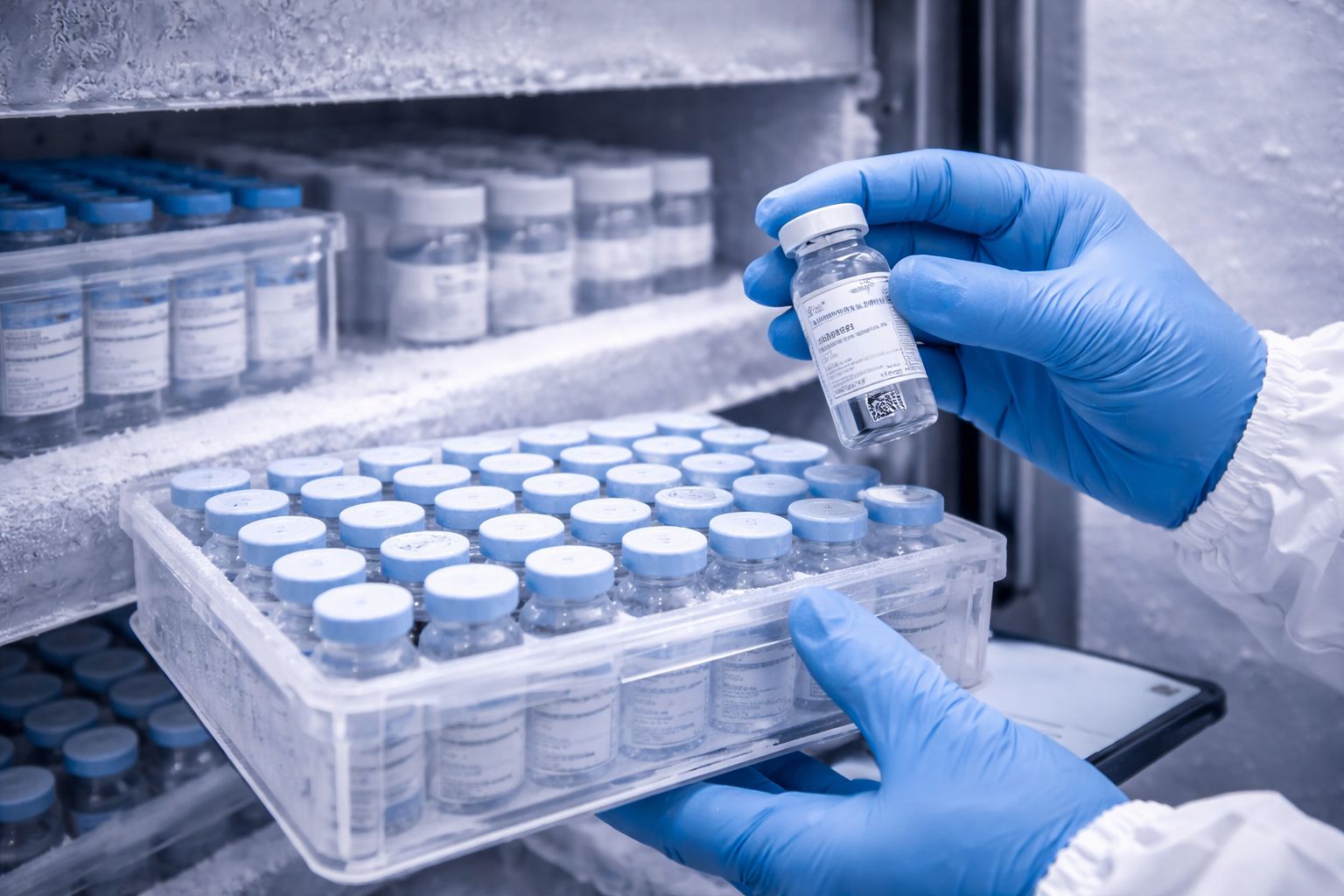
Biologics, vaccines and cell-based therapies are some of the most sensitive materials pharmaceutical companies handle. Unlike conventional drugs, these products break down quickly when exposed to temperature swings, contamination or rough handling. A single excursion outside the required range can render an entire batch unusable, which is why biopharmaceutical cold room design has become one of the most closely scrutinised parts of pharmaceutical infrastructure in Singapore.
As demand for biologics grows, cold room design has become central to product stability, regulatory compliance and day-to-day operational efficiency. From precise environmental control to dedicated handling zones, cold rooms built for biopharmaceutical storage need to be engineered around the specific product, not adapted from a generic template.
This article breaks down how cold room systems are designed for biopharmaceutical storage and handling, covering stability, hygiene and flexible infrastructure, with real-world examples from the field.
Maintaining Stability for Sensitive Biopharmaceutical Products
Biopharmaceutical products react quickly to environmental change. Even a slight temperature deviation can alter their molecular structure, making them ineffective or unsafe for patients.
Most biologics need storage between 2°C and 8°C, while advanced cell and gene therapies often require frozen storage down to -20°C, or ultra-low conditions as cold as -80°C for certain viral vector products.
Key stability requirements:
- Precise temperature control within narrow ranges
- Uniform airflow distribution to prevent hotspots
- Minimal temperature fluctuation during door access
Cold rooms built for biopharmaceutical storage rely on a combination of systems working together to hold conditions steady across the entire space, not just near the sensor.
Essential design features:
- High-performance insulated panels that reduce heat transfer
- Redundant refrigeration systems that keep running if one unit fails
- Air circulation systems that eliminate cold or warm pockets
- Temperature mapping and validation before the room goes live
Case example: A biopharmaceutical company upgraded its cold room with enhanced airflow design and a redundant cooling setup. The result was stable conditions across every storage zone, which cut product risk and supported long-term storage of sensitive biologics without added handling steps.
Hygiene-Focused Cold Room Construction
Biopharmaceutical products demand strict hygiene standards to prevent contamination, particularly for sterile or injectable formulations. Cold room design has to support cleanroom-level practices from the ground up, not as an afterthought.
Hygiene-focused design elements:
- Non-porous insulated panels that are easy to wipe down and disinfect
- Seamless flooring that prevents dirt and bacteria from settling into joints
- Anti-bacterial coatings on walls and high-touch surfaces
- Drainage systems built for sanitation runoff
Airflow management plays an equally important role. Controlled air circulation keeps the space clean while preventing condensation, which is one of the main drivers of microbial growth in cold storage environments.
Controlled access and handling:
- Restricted access zones that limit who can enter
- PPE requirements for anyone entering the cold room
- Dedicated handling areas kept separate from general storage
Case study: A pharmaceutical facility installed a hygiene-focused cold room with seamless flooring and anti-bacterial panelling. Cleaning efficiency improved significantly, and the facility met Good Manufacturing Practice (GMP) requirements during subsequent audits without corrective action.
Supporting Safe Handling and Workflow Efficiency
Handling biopharmaceutical products calls for precision. Cold room design has to support fast, efficient workflows while keeping exposure to temperature change as short as possible.
Workflow optimisation strategies:
- Dedicated handling zones built into or adjacent to the cold room
- Clear zoning for storage, picking and staging
- Ergonomic shelving that reduces reach time
- Placement close to production or packaging lines
Every extra minute a product spends outside its target temperature range adds risk. Reducing unnecessary movement is one of the simplest ways to protect stability.
Rapid-access features:
- High-speed doors that limit temperature loss during entry and exit
- Ante-chambers, or buffer zones, for controlled transitions
- Pass-through windows for quick retrieval without a full room entry
Example: A biopharmaceutical manufacturer redesigned its cold room layout to include a dedicated staging area for product preparation. Handling time dropped, and packaging operations moved noticeably faster as a result.
Ensuring Compliance with Regulatory Standards
Biopharmaceutical storage facilities in Singapore need to meet Good Manufacturing Practice (GMP) and Good Distribution Practice (GDP) requirements, along with guidelines set by the Health Sciences Authority (HSA). Cold room design plays a direct role in whether a facility passes or fails an audit.
Cold room design should support:
- Continuous temperature monitoring
- Accurate, retrievable data logging for audits
- Controlled access and physical security
- Validated storage conditions with documented proof
Monitoring and control systems:
- Real-time temperature and humidity sensors
- Automated alerts that flag deviations immediately
- Cloud-based data logging for audit-ready records
- Backup systems for power and refrigeration
Case example: A contract manufacturing organisation (CMO) installed a cold room with integrated monitoring and alert systems. During a routine audit, the facility pulled complete temperature records on demand and demonstrated full compliance with regulatory requirements.
Flexible Design for Evolving Biopharmaceutical Needs
The biopharmaceutical industry moves fast, and newer therapies such as gene and cell treatments come with storage requirements that didn’t exist a decade ago. Cold room systems need room to grow alongside them.
Flexible design features:
- Modular cold room panels that allow easy expansion
- Multi-temperature zones for products with different storage needs
- Adjustable shelving that adapts to different packaging formats
- Integration points for ultra-low freezers used in advanced therapies
Case study: A biotechnology company expanded into cell therapy production. Because its cold room used a modular system, the facility integrated ultra-low storage units without tearing out or redesigning its existing infrastructure.
Enhancing Traceability and Inventory Control
Traceability matters most when the product is high-value or patient-specific, which describes much of the biopharmaceutical category. Cold room design needs to support this from day one.
Cold room design should support:
- Batch-level tracking and identification
- FIFO (First-In, First-Out) inventory rotation
- Digital tracking using barcode or RFID technology
- Dedicated quarantine zones for products awaiting release
These features give a facility the ability to locate, verify and move any product through its lifecycle without guesswork.
Example: A pharmaceutical distributor implemented RFID tracking inside its cold room system. Real-time inventory visibility followed, along with a measurable improvement in day-to-day operational efficiency.
Future-Proofing Cold Room Systems
Demand for biologics and advanced therapies isn’t slowing down, and cold room systems need to be built for what comes next, not just current requirements.
Future-ready features:
- Smart monitoring and IoT integration
- Predictive maintenance that flags issues before failure
- Energy-efficient refrigeration technology
- Scalable infrastructure that supports business growth
Facilities that invest in these capabilities now stay ahead of both regulatory expectations and operational costs.
Conclusion
Biopharmaceutical storage and handling leave no room for guesswork. Cold room design sits at the centre of product stability, hygiene compliance and efficient day-to-day operations, and getting it wrong carries real cost, both financial and regulatory.
Kiat Lay Coldroom Specialist has built and maintained pharmaceutical-grade cold rooms in Singapore since 1982, working directly with biopharmaceutical operators to design storage systems that hold up under GMP and HSA scrutiny. Get in touch with Kiat Lay today to discuss a cold room built around your specific biopharmaceutical storage requirements.
Frequently Asked Questions
What temperature should a biopharmaceutical cold room maintain?
Most biologics require storage between 2°C and 8°C, while certain cell and gene therapies need frozen conditions down to -20°C or ultra-low storage as cold as -80°C, depending on the product.
What makes cold room design different for biopharmaceutical products compared to food storage?
Biopharmaceutical cold rooms need tighter temperature tolerances, validated airflow, hygiene-focused construction, and compliance documentation for GMP and HSA audits, requirements that go well beyond standard food-grade cold storage.
How does cold room design support GMP compliance in Singapore?
A GMP-compliant cold room needs continuous temperature monitoring, automated deviation alerts, cloud-based data logging, restricted access controls and validated storage conditions that can be produced as evidence during an audit.
Can a biopharmaceutical cold room be expanded later for cell or gene therapy storage?
Yes. Modular cold room panels and multi-temperature zoning allow facilities to integrate ultra-low freezers and additional storage capacity without redesigning the existing structure.
What happens if a biopharmaceutical cold room loses power?
A properly designed facility includes backup refrigeration and power systems, along with automated alerts, so temperature-sensitive products stay within range until power is restored.
How often should a pharmaceutical cold room be validated?
Temperature mapping and validation should be carried out when the room is first commissioned, after any significant equipment change, and at regular intervals set by the facility’s quality management system, typically annually at minimum.