


Cold Room Design for Hotel Beverage Storage and Service Areas
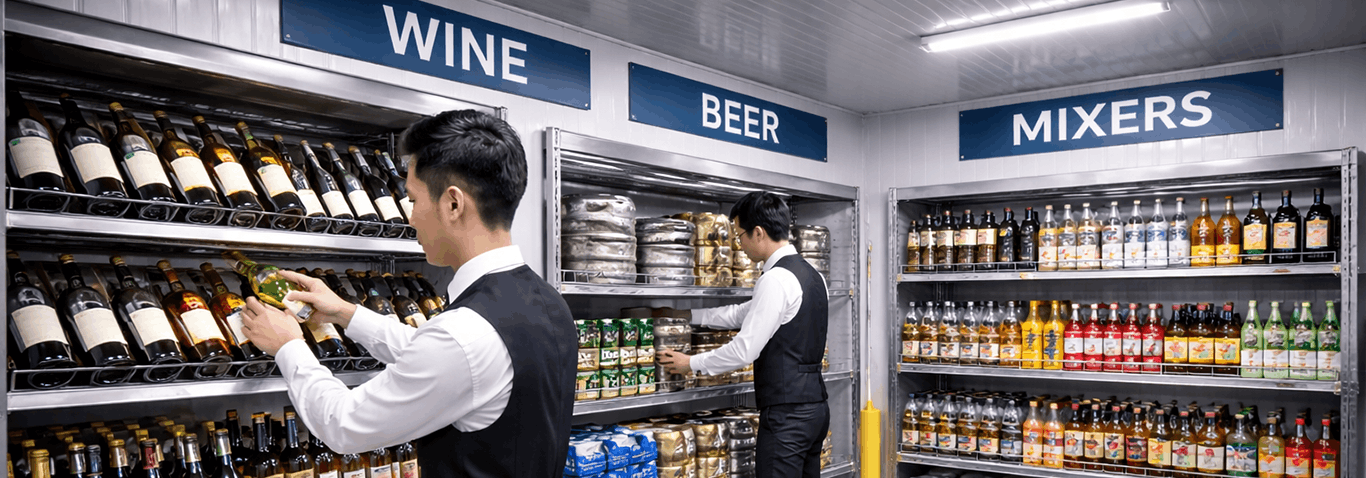
In hotels, beverage service is about more than just offering a drink. It shapes the overall guest experience. Whether it’s fine wines in a hotel restaurant, chilled beers in a rooftop bar, or mixers and soft drinks in room service, maintaining beverage quality and ensuring fast access directly impacts satisfaction.
A well-designed cold room is critical to achieving this. It supports consistent product quality, efficient service flow, and high-volume operations without compromising energy performance.
Unlike food storage, beverages require specific handling. This includes precise temperature control to protect flavour, organised walk-in chiller layouts for quick picking, and storage strategies that support peak service periods.
This article covers how to design an effective hotel beverage cold room, including layout zoning, temperature optimisation, and storage planning for operational efficiency.
Walk-In Chiller Layouts for Wines, Beers, and Mixers
Designing a beverage cold room starts with understanding how each category is stored and accessed. Wines, beers, and mixers all have different temperature requirements and service patterns.
🥂 Wine Storage
Not all wines require long-term cold storage, but hotels must maintain ideal serving temperatures for short-term holding.
- Red wines: 12–18 °C
- White wines and rosés: 8–12 °C
- Champagne and sparkling wines: 4–8 °C
Best practice is to create a dedicated wine zone within the walk-in chiller, with segmented temperature areas to suit each type.
Racking systems should:
- Keep bottles secure
- Allow label visibility
- Maximise vertical space
Example: A luxury hotel in Orchard implemented adjustable vertical racks with segmented cooling zones, improving both storage capacity and service speed.
🍺 Beer and Mixers
Beer and mixers require bulk storage and fast access.
- Beer: 2–6 °C (lagers), slightly warmer for ales
- Mixers and soft drinks: 2–8 °C
These products move quickly, so layout design must prioritise accessibility and replenishment speed.
Key considerations:
- Wide aisles for trolley or pallet movement
- Bulk shelving for crates and kegs
- Proximity to service exits
Example: A rooftop bar in Sentosa improved efficiency by adding wider aisles and bulk storage zones, reducing congestion during peak hours.
🥃 Recommended Beverage Zoning Layout
A structured walk-in chiller layout should include:
- Wine wall with angled shelving
- Beer storage bay for bulk items
- Mixer and soft drink zone near packing stations
- Service staging area near exits
This zoning reduces staff movement, shortens pick times, and minimises temperature loss from frequent door openings.
Temperature Control for Beverage Quality Preservation
Temperature control is not just about keeping items cold. It directly affects taste, carbonation, and product integrity.
🍷 Wines and Precision Cooling
Wine is highly sensitive to environmental changes.
A proper wine storage system requires:
- Stable temperature with minimal fluctuation
- Humidity levels between 60–70%
- Gentle airflow to prevent vibration
Maintaining these conditions preserves flavour profiles and prevents cork drying, which can compromise wine quality.
Example: A Marina Bay hotel integrated humidity control into its wine chiller, reducing spoilage and improving guest satisfaction ratings.
🍺 Beer Storage and Carbonation Stability
Beer quality depends on consistent cold storage.
Proper conditions help maintain:
- Carbonation levels
- Flavour stability
- Foam structure
Cold rooms should be designed for rapid temperature recovery after door openings, especially in high-traffic service environments.
🧃 Mixers and Soft Drinks
Mixers and soft drinks are frequently accessed throughout the day.
Best practices include:
- Easy-access shelving near exits
- Clear labelling to reduce picking errors
- Dedicated zones for high-turnover items
Designing for accessibility ensures faster service while maintaining temperature consistency.
Cold Room Storage Planning for High-Volume Service
Hotels often operate multiple service areas. Beverage storage must support continuous, high-volume demand.
🚪 Managing Frequent Door Openings
Frequent access causes temperature fluctuations.
Effective solutions include:
- Fast-closing insulated doors
- Strip curtains or air curtains
- Vestibules for staging
These features reduce cold air loss and improve energy efficiency.
Example: A Kuala Lumpur banquet facility installed air curtains and achieved 35% faster temperature recovery during peak operations.
📦 Staging Zones for Service Efficiency
Staging areas allow staff to prepare orders outside the main cold space.
Benefits include:
- Reduced time inside the chiller
- Faster service turnaround
- Lower temperature disruption
Example: A boutique hotel introduced staging racks near exits, improving service flow during lunch rush periods.
🧠 Monitoring and Smart Controls
Modern cold rooms use monitoring systems to track:
- Temperature fluctuations
- Door activity
- Cooling performance
Real-time alerts allow teams to act quickly, preventing product loss and maintaining consistent quality.
Case Examples
Case 1: Marina Bay Wine and Spirits Chiller
- +8°C zone for white wines
- +4°C zone for sparkling wines
- +12°C ambient zone for red wines
Result: Improved wine preservation and enhanced guest experience.
Case 2: Rooftop Bar Beer Storage
- Bulk shelving near entry points
- Dedicated airflow design
- Staging zone for quick replenishment
Result: Faster restocking and reduced service delays.
Case 3: Banquet Mixer Storage
- Open shelving near service stations
- Push-through chilled layout
Result: Improved service speed and smoother operations during events.
Cold Room Design Best Practices for Hotels
- Plan zones based on beverage type
- Position high-demand items near exits
- Use adjustable shelving systems
- Improve energy efficiency with smart lighting and door systems
- Integrate monitoring tools for performance tracking
Following these principles ensures both operational efficiency and product quality.
FAQs on Hotel Beverage Cold Room
What temperature should beverages be stored in a hotel cold room?
Wine, beer, and mixers all have different requirements. Wines range from 4–18°C depending on type, while beer and soft drinks are typically stored between 2–8°C.
How can hotels improve cold room efficiency during peak hours?
Hotels can improve efficiency by using zoning layouts, staging areas, and fast-closing doors to reduce temperature loss and speed up service.
Why is zoning important in beverage cold rooms?
Zoning separates different beverage types, allowing for optimal temperature control and faster access during service.
What features improve temperature recovery in walk-in chillers?
Air curtains, strip doors, and proper airflow systems help maintain stable temperatures even with frequent door openings.
Do hotels need humidity control for beverage storage?
Humidity control is essential for wine storage to prevent cork drying and maintain product quality.
Conclusion
Cold room design for hotel beverage storage is not just about cooling. It supports product quality, operational efficiency, and guest satisfaction.
By combining proper zoning, precise temperature control, and smart storage planning, hotels can optimise beverage service across all outlets.
A well-designed walk-in cold room becomes a valuable operational asset. It helps protect inventory, improve service speed, and elevate the overall guest experience.