


Designing Cold Rooms for Short-Term Stability Holding
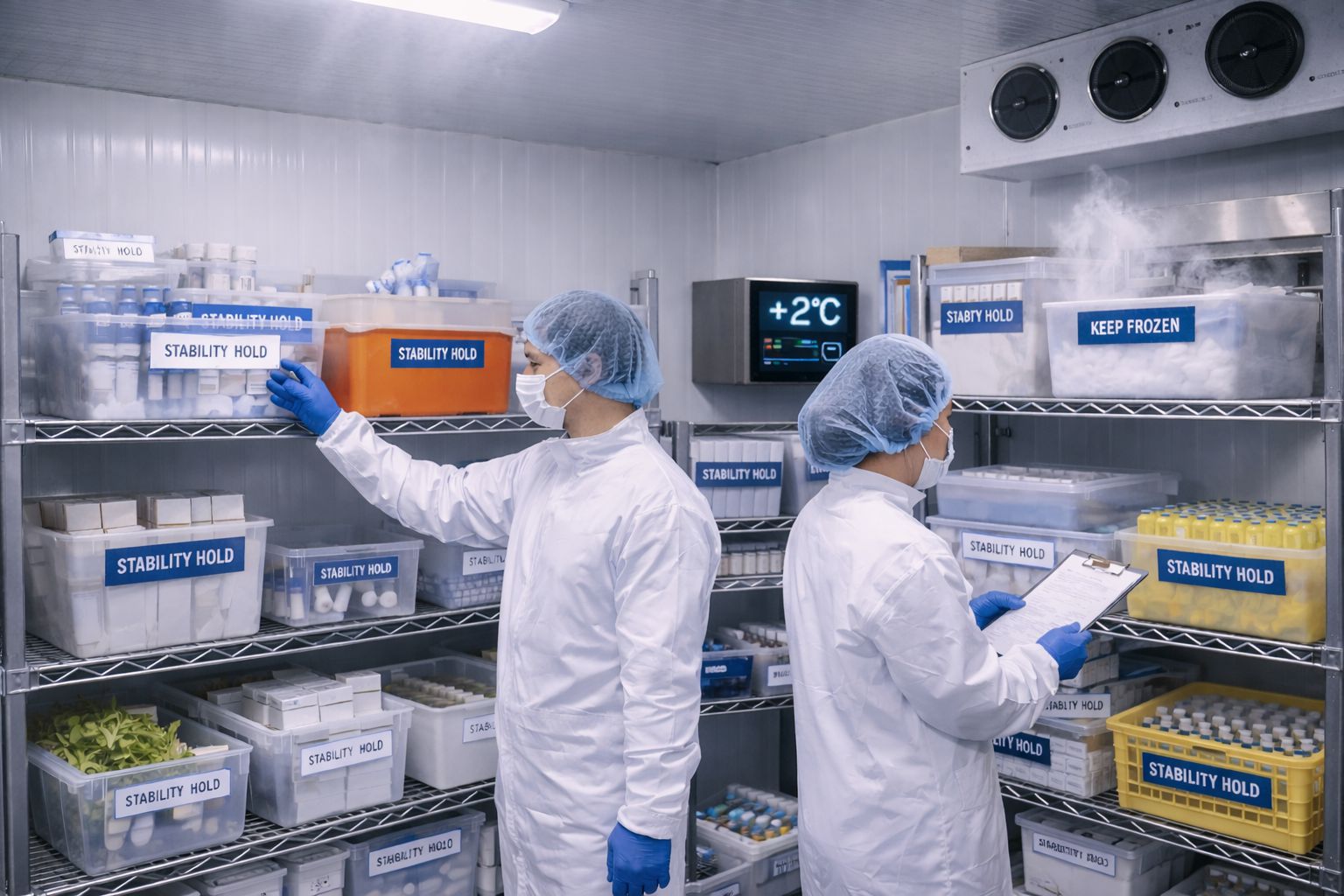
In pharmaceutical, biotech, and laboratory environments, product quality depends on more than long-term cold storage. Products often need to be held temporarily during quality checks, batch staging, sampling, packaging transitions, or transport preparation. These short holding periods may last only a few hours, but they can still affect product stability if temperature, access, and handling are not properly controlled.
A cold room designed for short-term stability holding provides a controlled environment for products that are in transition between production, testing, packaging, and distribution. Unlike general cold storage, these rooms must support frequent access, clear product segregation, fast temperature recovery, traceability, and efficient staff movement.
For pharmaceutical manufacturers, laboratories, and cold chain operators, short-term stability holding is a critical control point. When designed correctly, it helps reduce temperature excursions, support GMP workflows, and protect sensitive materials during in-process handling.
What Is Short-Term Stability Holding?
Short-term stability holding refers to the temporary storage of temperature-sensitive products while they await the next stage of processing, testing, release, or dispatch. This can include vaccines, biologics, clinical trial materials, diagnostic reagents, intermediate formulations, or pharmaceutical samples.
Common short-term holding scenarios include:
- Batches awaiting quality control approval
- Samples waiting for laboratory testing
- Products held before packaging or labelling
- Materials staged before transport
- Returns or quarantined products awaiting review
- Intermediate formulations awaiting the next manufacturing step
Although these holding periods are temporary, they still require validated temperature control and proper handling procedures. Even brief exposure outside the required temperature range can affect product quality, shelf life, or compliance readiness.
Why Purpose-Built Cold Rooms Matter for Temporary Holding
Standard cold rooms are often designed for bulk storage, where products remain in place for longer periods and door openings are limited. Short-term stability holding rooms operate differently. Staff may enter and exit frequently, products may move in smaller batches, and documentation checks may happen close to the storage area.
Without a purpose-built design, these rooms can become weak points in the cold chain. Common risks include:
- Temperature fluctuations caused by frequent door openings
- Overcrowded shelves that block airflow
- Unclear product status labels
- Longer access times due to poor layout
- Incomplete monitoring visibility
- Higher risk of mix-ups between quarantined, released, and pending products
A well-engineered stability holding cold room reduces these risks by combining refrigeration performance with workflow planning. The goal is not only to keep products cold, but to keep operations controlled, traceable, and efficient.
Supporting In-Process Quality and Stability Checks
During manufacturing and distribution, pharmaceutical products often pause in a controlled environment while undergoing checks or verification. These pauses may last minutes, hours, or days depending on the process stage.
A cold room designed for in-process stability holding should include:
- Dedicated staging zones for batches awaiting approval or sampling
- Clear product status identification, such as quarantine, released, pending test, or rejected
- Ergonomic layouts that reduce unnecessary door openings
- Monitoring displays that can be viewed from outside the room
- Sufficient aisle space for trolleys, containers, and staff movement
- Shelving arrangements that support airflow and easy product retrieval
For example, a pharmaceutical distribution hub managing vaccine batches may hold products at +2°C to +8°C while laboratory confirmation tests are completed. A stability holding cold room located near the quality control area can reduce transfer time, limit handling, and lower the risk of temperature excursions.
In contract manufacturing facilities, intermediate drug formulations may need to remain stable while awaiting packaging. A dedicated short-term holding cold room protects these materials without taking up long-term storage space reserved for finished goods.
Temperature Control During Frequent Access
Short-term holding environments face a specific thermal challenge: frequent access. Every door opening allows warm air to enter and cold air to escape. If the refrigeration system and room layout are not designed for this operating pattern, temperatures can drift outside the validated range.
To maintain stable conditions, the cold room should include the following design features.
1. Rapid Temperature Recovery
High-performance evaporators, responsive control systems, and correctly sized refrigeration capacity help the room recover quickly after each door opening. This is especially important for vaccines, biologics, reagents, and other products that may be sensitive to even short temperature deviations.
2. Engineered Airflow
Balanced airflow prevents hot spots, cold pockets, and uneven product exposure. Ceiling-mounted air distribution, properly positioned shelving, and clear space around stored items help maintain uniform temperatures across the room.
3. High-Speed Doors or Air Curtains
Where staff movement is frequent, rapid-roll doors, strip curtains, or air curtains can reduce air exchange during entry and exit. This helps protect the internal temperature while improving operational flow.
4. Insulated Panel Construction
High-density insulated panels, sealed joints, and well-fitted doors help minimise thermal leakage. For GMP-related environments, panel systems should also support hygiene, cleaning, and long-term durability.
5. Door Opening Discipline
Design alone is not enough. Clear procedures, visible signage, and convenient staging points can help staff avoid keeping doors open longer than necessary.
Cold Room Design Aligned with GMP Workflows
A GMP-aligned cold room must support more than temperature control. It should also help teams maintain traceability, cleanliness, segregation, and process discipline.
Important design considerations include:
Segregated Product Zones
Separate areas should be created for products with different statuses. This may include:
- Quarantined returns
- Released batches
- Samples awaiting analysis
- Materials pending disposal
- Products awaiting packaging
- Goods staged for dispatch
Physical or clearly marked segregation reduces the risk of mix-ups and helps simplify internal checks and audits.
Hygienic Construction Materials
Smooth, non-porous surfaces, easy-clean flooring, coved edges where required, and corrosion-resistant finishes help support sanitation routines. For regulated facilities, materials should be selected with hygiene, durability, and cleaning access in mind.
Continuous Monitoring and Alarms
Temperature monitoring should be continuous, visible, and supported by alert systems. Remote monitoring allows supervisors to check conditions without entering the room, which can help reduce unnecessary door openings.
Where required, monitoring systems may include:
- Temperature sensors at representative points
- Automated alerts for deviations
- Data logging for audit review
- Backup power or fail-safe considerations
- External display panels for quick visibility
Documentation and Traceability
External display panels, barcode systems, and clear product labelling can help staff and auditors verify product status quickly. When information is easy to access, teams spend less time inside the room and reduce disruption to the controlled environment.
Designing for Efficiency Without Compromising Compliance
One of the main challenges in short-term stability holding is balancing operational speed with strict control. If a cold room is poorly planned, staff may spend too much time searching, checking documents, or moving around inside the space. This can increase door-open duration and create avoidable temperature fluctuations.
A more efficient design should include:
- Wide aisles for safe cart and container movement
- Clearly marked storage lanes
- Defined entry and exit paths
- Pre-staging areas outside the cold room
- Fast access to frequently handled products
- Logical shelf layouts based on product flow
- Space for temporary holding without overcrowding
For example, a pharmaceutical logistics centre handling clinical trial materials may need staff to check documents before products are released for dispatch. By placing a pre-check station outside the cold room, staff can complete paperwork before entry and spend less time inside the controlled area.
This type of layout improvement supports both temperature stability and operational discipline.
Scalability for Changing Production Needs
Pharmaceutical and laboratory operations can change quickly. New products, larger batches, increased testing volumes, or updated regulatory expectations may all affect cold room requirements.
Stability holding cold rooms should be designed with future flexibility in mind. This may include:
- Modular insulated panel systems
- Expandable shelving
- Additional sensor points for future monitoring needs
- Space allowance for higher product volumes
- Flexible zoning for changing product status categories
- Service access for maintenance and upgrades
Planning for scalability during the early design stage can help avoid costly retrofits later. A modular cold room can often be extended or reconfigured with less disruption compared to a fixed, undersized room.
Key Features of a Short-Term Stability Holding Cold Room
A well-designed cold room for short-term stability holding should include:
- Validated temperature range control
- Fast recovery after door openings
- Uniform airflow across storage zones
- High-quality insulated panels and doors
- Clear segregation for product status
- Continuous temperature monitoring
- Visible alarm and logging systems
- Hygienic, easy-clean surfaces
- Efficient movement paths for staff and trolleys
- Room for future expansion or layout changes
The most effective cold room designs combine refrigeration engineering with a clear understanding of how people, products, and documentation move through the facility.
The Strategic Role of Short-Term Stability Holding Cold Rooms
Short-term holding areas may seem secondary compared to long-term cold storage, but they often sit at critical points in the pharmaceutical cold chain. These rooms connect production, testing, packaging, and distribution.
A weak holding area can create:
- Temperature excursion risks
- Workflow delays
- Inspection challenges
- Product mix-ups
- Batch rejection risks
- Higher operational pressure on staff
A purpose-built stability holding cold room can help organisations:
- Protect product integrity during transitional stages
- Improve coordination between quality, production, and logistics teams
- Reduce avoidable door openings and temperature fluctuations
- Support cleaner audit trails
- Improve space utilisation
- Strengthen cold chain reliability
Conclusion
Designing cold rooms for short-term stability holding requires more than standard refrigeration. These environments must support frequent access, stable temperature recovery, GMP-aligned segregation, clear traceability, and efficient movement of products and staff.
When planned properly, a short-term holding cold room becomes more than a temporary storage space. It becomes a controlled checkpoint that protects product quality, supports compliance, and keeps pharmaceutical operations moving smoothly.
For manufacturers, laboratories, and distribution hubs, the message is clear: short-term holding may be temporary, but its impact on product integrity, audit readiness, and patient safety is long-term.
Need a cold room designed for pharmaceutical, laboratory, or temperature-sensitive operations? Speak with Kiat Lay cold room specialist to plan a reliable, GMP-aligned cold room solution built around your workflow, product requirements, and future capacity needs.
FAQs About Cold Rooms for Short-Term Stability Holding
What is a short-term stability holding cold room?
A short-term stability holding cold room is a temperature-controlled room used to temporarily store sensitive products while they await testing, release, packaging, sampling, or dispatch. It is designed for frequent access, product segregation, monitoring, and traceability.
How is a stability holding cold room different from a standard cold room?
A standard cold room is usually designed for longer storage periods with less frequent access. A stability holding cold room is designed for active workflows where products move in and out regularly. It requires faster temperature recovery, clearer zoning, and better access control.
What temperature range is commonly used for pharmaceutical short-term holding?
Many pharmaceutical products are held at +2°C to +8°C, but the required temperature range depends on the product, validation requirements, and manufacturer specifications. Some materials may require frozen, chilled, or controlled room temperature conditions.
What features help reduce temperature fluctuations?
Rapid temperature recovery systems, insulated panels, high-speed doors, air curtains, proper shelving layouts, and disciplined access procedures all help reduce temperature fluctuations.
How does cold room design support GMP compliance?
GMP-aligned cold room design supports product segregation, temperature monitoring, documentation, cleanliness, and traceability. These features help reduce contamination risks, prevent mix-ups, and simplify audit preparation.