


Cold Room Design for Sustainable F&B Operations
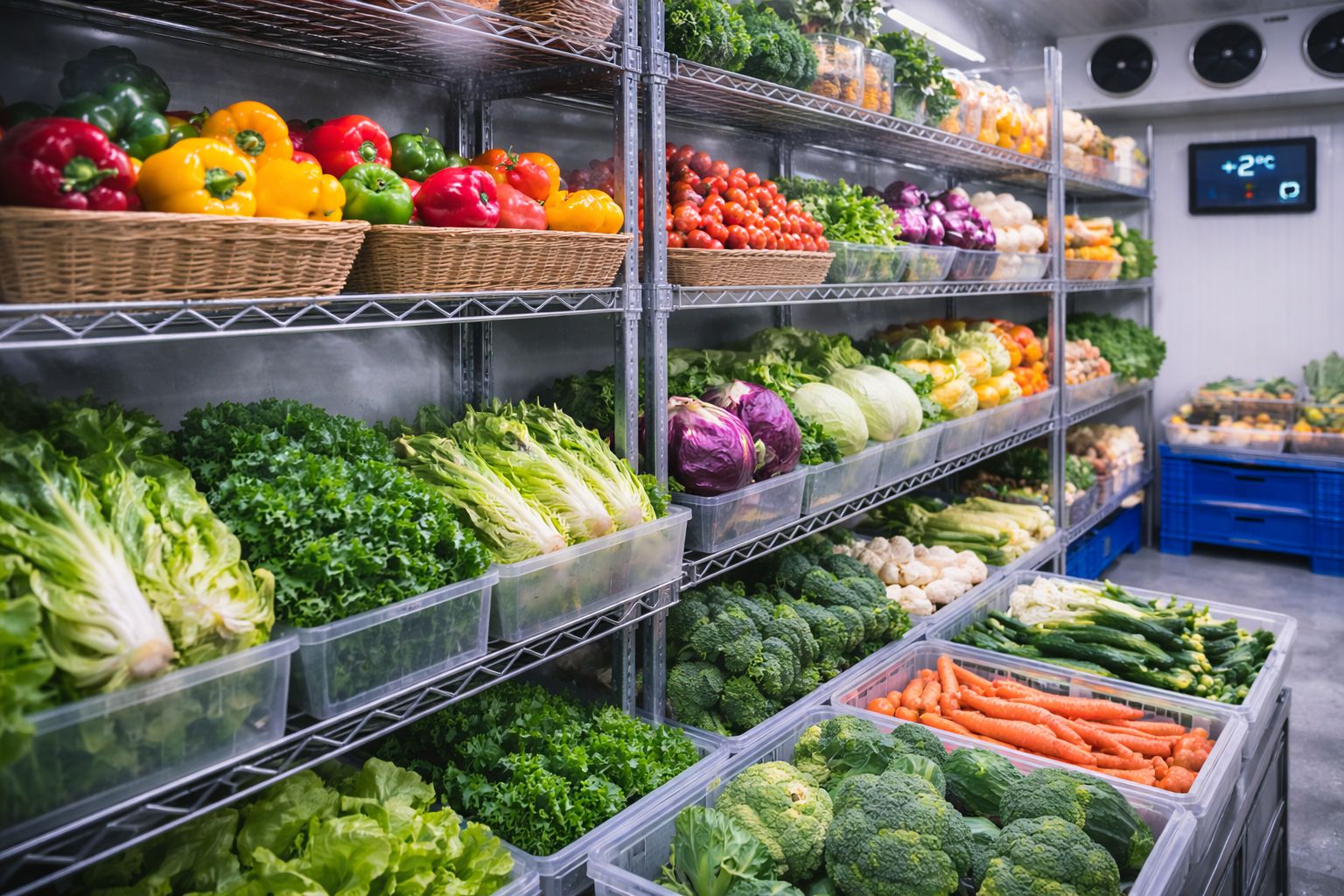
Sustainable F&B operations depend on more than responsible sourcing, waste tracking and energy-efficient kitchen equipment. For hotels, restaurants, caterers and central kitchens, cold room design plays a direct role in how safely food is stored, how much stock is wasted and how efficiently refrigeration systems perform every day.
In today’s hospitality and foodservice landscape, sustainability is no longer optional. Guests, partners and regulators increasingly expect hotels and restaurants to reduce waste, manage energy consumption and adopt environmentally responsible practices. Cold room infrastructure sits at the centre of this effort, supporting food safety, operational efficiency and long-term cost control.
A sustainable cold room does more than preserve food. It helps maintain product integrity, reduces unnecessary disposal, lowers refrigeration load and gives kitchen teams better control over daily inventory movement. Whether designed for a hotel buffet, a high-volume restaurant kitchen, a central production facility or a shared cloud kitchen, thoughtful cold room planning can support both environmental and commercial outcomes.
This article explores how cold room design can support sustainable F&B operations through:
- Reducing food waste through better cold room storage planning
● Energy-conscious design without compromising performance
● Supporting sustainability goals in hotels and restaurants
● Practical cold room strategies that improve workflow, safety and resource efficiency
Reducing Food Waste Through Better Cold Room Storage Planning
Food waste remains one of the most significant sustainability challenges in the F&B industry. In hotels and commercial kitchens, waste often begins long before food reaches the plate. Poor storage visibility, inconsistent temperature control and inefficient stock rotation can lead to spoilage, expired ingredients and unnecessary disposal.
A well-designed cold room helps kitchen teams store, identify and retrieve ingredients more accurately. This reduces the risk of over-ordering, forgotten stock and premature product deterioration.
1. FIFO Layouts Reduce Spoilage
One of the simplest but most effective strategies in cold room design is supporting First In, First Out, or FIFO, inventory rotation. Cold rooms designed with clear shelving zones, labelled racks and practical access aisles make it easier for staff to use older stock first.
For busy kitchens, FIFO should not rely only on staff discipline. The physical layout should make correct stock rotation the easiest option. Front-loaded shelving, clearly marked pick faces and dedicated receiving zones all help reduce handling confusion during peak service.
For example, a city-centre hotel kitchen found that chilled produce was frequently wasted because older stock was hidden behind newer deliveries. After reorganising the walk-in chiller with labelled FIFO zones and more visible shelving near access points, the kitchen improved rotation discipline and reduced avoidable waste.
2. Zoning Mixed-Use Storage
Cold rooms that store produce, proteins, dairy and prepared foods without clear zoning can increase the risk of cross-contamination, stock misplacement and inefficient picking. Segmented cold room zones, arranged by ingredient type, hygiene requirement or service use case, make daily storage easier to manage.
Good zoning also supports compliance. Raw proteins, ready-to-eat products, dairy, produce and prepared food should be stored in ways that reduce contamination risks while keeping frequently used items accessible.
A resort with multiple outlet kitchens implemented clear cold room zoning. Bulk proteins were stored in a lower-traffic section, frequently used sauces and garnishes were positioned near the prep entrance, and produce was placed on well-lit shelving at eye level. The result was better stock visibility, smoother replenishment and fewer items lost in storage.
3. Temperature Flexibility for Longer Shelf Life
Not all food products require the same storage conditions. Designing cold rooms with multi-temperature zones allows ingredients to be stored closer to their ideal temperature range, which can extend shelf life and reduce spoilage.
Leafy vegetables and delicate produce may require stable chilled conditions, while frozen items, semi-prepared products and certain bakery items may need different holding temperatures. When storage conditions match product needs, ingredients deteriorate more slowly and kitchens gain better control over quality.
This is especially important for hotels, caterers and central kitchens that handle varied inventory across breakfast service, banquet preparation, à la carte operations and event production.
Energy-Conscious Cold Room Design Without Compromising Performance
Cold rooms are among the most energy-intensive systems in commercial kitchens and hospitality back-of-house operations. Inefficient refrigeration can increase operating costs, place unnecessary strain on equipment and contribute to higher carbon output.
Energy-conscious cold room design is not about reducing performance. It is about reducing wasteful load on the system while maintaining stable, safe and reliable storage conditions.
1. High-Performance Insulation and Door Systems
Insulation quality has a direct impact on cold room energy performance. High-density insulated panels, sealed joints, well-fitted doors and proper vapour barriers help reduce heat ingress and lower refrigeration load.
Door design is equally important. In busy F&B environments, cold rooms are accessed repeatedly throughout the day. Each opening allows warm air to enter and cold air to escape, forcing the refrigeration system to work harder.
Rapid-action doors, strip curtains, automatic closers and well-positioned access points can help minimise temperature fluctuation. For kitchens with heavy movement during peak service, these measures can improve temperature stability and reduce unnecessary compressor runtime.
2. Smart Monitoring and Demand-Driven Cooling
Modern cold room systems can be equipped with digital sensors and controllers that track temperature, humidity and door activity in real time. These systems help kitchen operators respond quickly to temperature deviations and identify usage patterns that may be affecting efficiency.
Smart monitoring also improves accountability. Instead of relying on manual checks alone, operators can use automated alerts and logged data to support food safety records, maintenance planning and sustainability reporting.
In restaurants with long low-traffic periods between lunch and dinner, demand-driven cooling can help adjust refrigeration intensity based on door activity and internal heat load. This supports energy savings while maintaining safe chilled conditions.
3. Heat Recovery and Energy Reuse
Some cold room designs can capture waste heat generated by refrigeration compressors and redirect it for other operational uses, such as pre-heating water for dishwashing or cleaning stations.
For hotels and large commercial kitchens, heat recovery can support wider energy efficiency goals by making use of energy that would otherwise be rejected into the surrounding environment. This approach is particularly relevant for facilities with high refrigeration demand and consistent hot water usage.
A hotel with a large central kitchen, for example, may use compressor heat recovery to support dishwashing and scullery operations. This helps reduce the overall energy burden on the facility while improving the value derived from the refrigeration system.
Supporting Sustainability Goals in Hotels and Restaurants
Sustainable cold room design contributes to more than refrigeration efficiency. It supports broader operational goals related to food waste reduction, energy management, compliance, reporting and guest expectations.
For hotels, restaurants and F&B operators, sustainability is most effective when it is built into daily workflows. Cold room infrastructure should make sustainable practices easier to implement, measure and maintain.
1. Reducing Carbon Footprint Through Operational Efficiency
Cold room inefficiencies increase both cost and carbon output. Poor insulation, frequent door openings, poor airflow and overloaded storage can all cause refrigeration systems to run harder than necessary.
By improving cold room design, operators can reduce unnecessary energy consumption and support lower operational emissions over time. These gains may appear incremental day to day, but they can become significant across multiple outlets, large kitchens or 24-hour hospitality operations.
2. Supporting Zero-Waste Kitchens and Local Sourcing
Sustainably designed cold rooms make it easier for kitchens to manage inventory, use seasonal produce and apply zero-waste cooking principles. When chefs have confidence in storage performance, they can plan menus around local sourcing, batch preparation and ingredient cross-utilisation.
Clear zoning, stable temperatures and accurate monitoring help protect ingredient quality, especially for kitchens working with fresh produce, seafood, dairy and prepared items. This gives teams more flexibility to plan usage without rushing stock unnecessarily or discarding ingredients too early.
3. Aligning with Corporate Sustainability Reporting
Corporate sustainability reporting increasingly requires measurable data on energy use, waste reduction and resource efficiency. Cold room design can contribute directly to these metrics.
Temperature logs, energy monitoring, maintenance records and waste reduction data can all support sustainability reporting, internal audits and certification requirements. For hotel groups, central kitchens and multi-outlet operators, this makes cold room infrastructure part of a broader operational performance strategy.
Case Example: Integrated Cold Room Transformation in a Resort Kitchen
A luxury resort operating multiple F&B outlets faced high refrigeration costs and recurring waste from poorly stored produce. The management team commissioned a cold room redesign focused on improving workflow, visibility and system efficiency.
The upgraded cold room included:
- Re-zoned storage for produce, dairy, proteins and prepared food
● Rapid-action doors near high-traffic kitchen areas
● Smart temperature monitoring with automated alerts
● Heat recovery linked to kitchen hot water systems
● Improved shelving layouts to support FIFO stock movement
Within six months of implementation, the resort recorded:
- Lower food spoilage rates
● Reduced refrigeration-related energy costs
● Faster replenishment cycles for kitchen staff
● Better traceability for internal reporting
● Improved operational confidence during peak service periods
This example shows how sustainable cold room design can create value beyond storage. When planned correctly, it supports food safety, staff productivity, energy efficiency and long-term business continuity.
Why Sustainable Cold Room Design Matters for F&B Operators
For F&B businesses, cold room performance affects daily operations in ways that are easy to overlook. Poor temperature stability can compromise food quality. Inefficient layouts can slow down kitchen teams. Weak insulation can increase running costs. Inaccurate monitoring can create compliance risks.
A sustainable cold room should be designed around the operator’s actual workflow, including:
- Delivery frequency
● Ingredient categories
● Storage volume
● Staff movement
● Peak service periods
● Hygiene requirements
● Energy usage patterns
● Maintenance accessibility
This is where engineering precision matters. A cold room should not be treated as a generic storage box. It should be planned as an operational system that protects inventory, supports compliance and helps the business run more efficiently.
Conclusion
Sustainable cold room design for F&B operations is about more than choosing efficient equipment. It requires thoughtful planning, workflow understanding and reliable engineering. From reducing food waste and preserving ingredient quality to lowering energy use and supporting sustainability reporting, cold room infrastructure plays a practical role in improving daily operations.
For hotels, restaurants, caterers and commercial kitchens, the right cold room design can protect inventory, reduce downtime risks, support compliance and contribute to long-term sustainability goals.
Plan a more efficient cold room for your F&B operation. Speak with Kiat Lay cold room specialist in Singapore to discuss a sustainable cold storage solution designed around your kitchen workflow, storage needs and long-term performance goals.
FAQs About Sustainable Cold Room Design for F&B Operations
What is sustainable cold room design?
Sustainable cold room design refers to planning and building cold storage systems that reduce energy use, minimise food waste and support safe, efficient operations. This may include high-performance insulation, proper zoning, smart monitoring, efficient door systems and heat recovery options.
How can cold room design reduce food waste?
Cold room design reduces food waste by improving stock visibility, supporting FIFO rotation, maintaining stable temperatures and separating products by category. When ingredients are easier to see, access and store correctly, kitchens are less likely to lose stock through spoilage or expiry.
Why are cold rooms important for hotel sustainability?
Cold rooms are essential to hotel sustainability because they operate continuously and store high volumes of perishable food. Efficient cold room systems can reduce refrigeration energy demand, support food waste reduction and contribute to sustainability reporting goals.
What features make a cold room more energy efficient?
Energy-efficient cold room features include insulated panels, sealed joints, rapid-action doors, strip curtains, variable-speed refrigeration systems, smart temperature controls and regular maintenance access. These features help reduce heat ingress and improve system performance.
Can smart monitoring improve food safety?
Yes. Smart monitoring helps track temperature changes, door activity and system performance in real time. Automated alerts allow kitchen teams to respond quickly when temperatures move outside safe limits, supporting both food safety and compliance records.
What is the best cold room layout for a restaurant kitchen?
The best cold room layout depends on the kitchen’s menu, stock volume and service workflow. Most restaurant kitchens benefit from clear zones for produce, proteins, dairy, prepared food and frozen items, with frequently used products placed near access points for faster retrieval.
How does cold room zoning support sustainability?
Cold room zoning supports sustainability by reducing stock confusion, improving inventory rotation and helping each product category stay in suitable conditions. This lowers the risk of spoilage, unnecessary disposal and inefficient staff movement.
Should F&B operators consider heat recovery for cold rooms?
Heat recovery can be useful for hotels, central kitchens and high-volume F&B facilities with consistent hot water demand. It captures waste heat from refrigeration compressors and reuses it for operational needs such as dishwashing or cleaning support.