


Compact Cold Room Design for Boutique Hotels
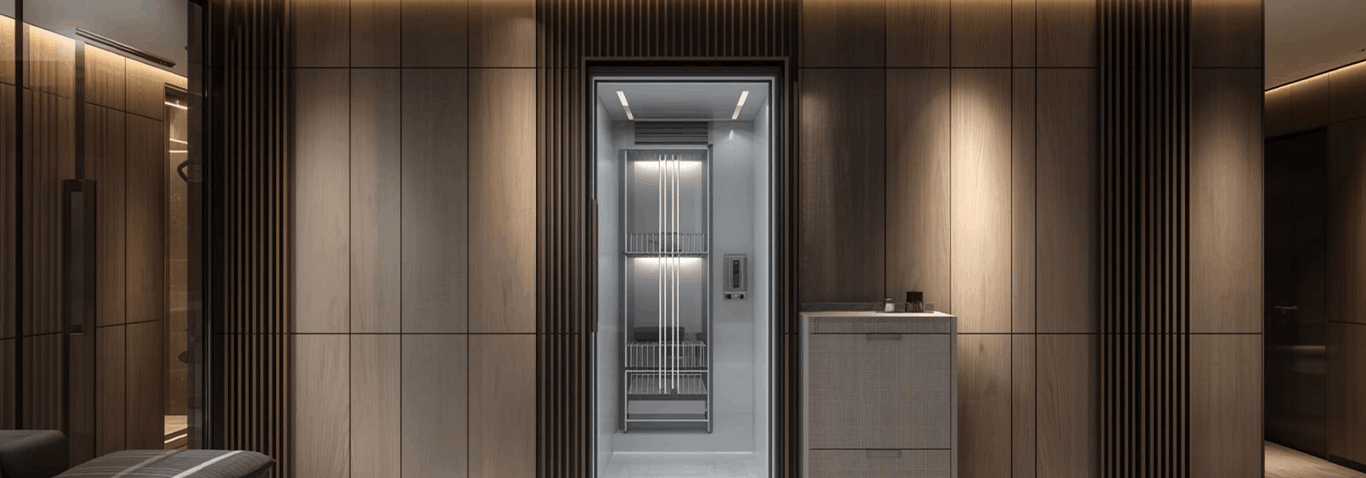
Boutique hotels are known for their personalised service, unique character, and intimate guest experience, but what they lack in size, they make up for in thoughtful design, operational efficiency, and attention to detail. In small hospitality operations where kitchen space is at a premium and staff must deliver high-quality dining alongside guest services, compact cold room design becomes a strategic advantage.
Unlike large resorts or chain hotels with sprawling back-of-house facilities, boutique properties often face spatial constraints, tight budgets, and multifunctional spaces. The challenge? Integrating space-efficient coldrooms, walk-in chillers tailored to limited-capacity kitchens, and freezer rooms sized for smaller operations, without sacrificing food quality, safety, or workflow efficiency.
This article explores best practices in compact coldroom design for boutique hotels, practical examples, and case studies that illustrate how thoughtful construction and layout can transform a small kitchen’s cold storage capabilities.
Space-Efficient Coldroom Construction
Small footprint hotels require coldroom solutions that maximise utility without overwhelming available space. Hotel designers and kitchen planners need to be creative, combining modular construction, dual-purpose zones, and vertical storage strategies to unlock usable cold storage.
1. Modular Panel Construction for Flexible Footprints
One of the most effective approaches to compact coldrooms is modular panel systems. These insulated panels allow coldrooms to be built in custom dimensions, shaped to fit odd architectural spaces, and expanded later if needed. Unlike pre-built box units, modular coldrooms offer:
- Tailored sizes that fit narrow corridors or unused corner spaces
- Easy disassembly or reconfiguration for future expansion
- Seamless integration into existing kitchen layouts
For example, a boutique hotel on Orchard Road repurposed a disused pantry niche by installing a compact modular coldroom with tilt-up PU insulated panels. This added 6 m² of usable cold storage without encroaching on guest or service areas, and the system was engineered to allow future expansion toward an adjacent utility room.
2. Vertical Storage – Think Up, Not Out
In space-constrained environments, vertical real estate becomes a valuable asset. Compact coldroom design can leverage:
- Tall shelving racks
- Multi-tier storage bins
- Ceiling-mounted shelving for lightweight produce
This approach minimises footprint while offering substantial internal capacity.
A boutique gastro-hotel in Sentosa adopted a vertical shelving system inside their walk-in chiller, achieving 40% more storage capacity without increasing square metres of floor space. Their design included adjustable multiple levels of shelving to accommodate everything from crates of greens to chilled beverages.
3. Multi-Temperature Zones Within Small Rooms
Small coldrooms can still support multiple temperature needs by dividing internal space into temperature zones without constructing separate rooms. Using internal partition panels and zoned refrigeration controls, a boutique hotel coldroom can host:
- A lower‐temperature section for protein and dairy
- A mid‐temperature section for vegetables and prepared foods
- High‐humidity zones for herbs and delicate produce
Instead of building separate chillers and freezers, this compact zoned layout allows smaller operations to handle a variety of perishables within a single space.
Walk-In Chillers for Limited-Capacity Kitchens
Walk-in chillers remain the backbone of cold storage for kitchen workflows, even in small hotels. But in boutique settings, they must be engineered differently.
1. Accessibility and Workflow Orientation
In a limited-capacity kitchen, the layout and orientation of the walk-in chiller should complement chef workflows. Common space-saving measures include:
- Open-plan chillers adjacent to prep stations: reducing travel time
- Sliding insulated doors: saving swing space in tight corridors
- Exterior-mounted refrigeration units: preserving interior storage space
For instance, a boutique hotel redesigned its kitchen to position a compact walk-in chiller right beside the vegetable prep counter, allowing staff to access produce quickly during service. By using a sliding door that didn’t block aisleways, the kitchen preserved traffic flow even during busy breakfast and dinner rushes.
2. Humidity-Controlled Zones for Produce and Prepared Meals
Walk-in chillers in small kitchens often serve double duty, storing both raw ingredients and pre-prepared menu components. Implementing humidity control helps extend shelf life for:
- Fresh greens and herbs
- Pre-marinated proteins awaiting service
- Desserts and chilled plated items in staging
A Singapore boutique hotel with an artisanal dining venue installed humidity-controlled zones within its walk-in chiller. This allowed them to store delicate greens at higher humidity and plated desserts at slightly lower humidity without building separate spaces, an efficient compromise for limited capacity kitchens.
3. Smart Racking and Pull-Out Shelving
Space-efficient chiller design can be augmented by smart storage accessories:
- Pull-out wire shelves for small items
- Labelled bins for rapid access
- Mobile shelving carriages for bulk storage
These upgrades make the most of every inch inside a compact walk-in chiller, improving accessibility and reducing time spent searching for items during crowded service periods.
Freezer Rooms Tailored for Smaller Operations
Like walk-in chillers, small freezer rooms play an essential role in preserving proteins, frozen stocks, and bulk ingredients. But they must be engineered with compact design principles in mind.
1. Right-Sizing Freezer Capacity
Boutique hotels do not require industrial-scale freezer rooms. Instead, the goal is to balance capacity with footprint. Designers can:
- Precisely calculate storage needs based on menu cycles
- Eliminate unused square footage that increases cooling load
- Use data from menu forecasting to size freezer space
A boutique beachfront hotel that offered a rotating tasting menu found that a 4 m² freezer room, optimised with shelving and bin racks met its needs without becoming a thermal “dead” zone that wasted energy.
2. Efficient Airflow for Small Freezers
Effective airflow ensures that temperature stays uniform throughout a freezer room, a challenge that becomes more pronounced in compact spaces where cold pockets or hot spots can develop. Small freezer rooms can benefit from:
- Strategically placed evaporators
- Air deflector panels
- Balanced shelving that doesn’t block ventilation
Proper airflow design reduces temperature fluctuation, improves food safety, and prevents freezer burn.
3. Flexible Freezer Solutions for Seasonal Storage
Many boutique hotels experience seasonal peaks — for example, when wedding banquets or holiday events require expanded frozen inventory. Modular freezer racks that can be moved or added temporarily allow hotels to scale storage without dedicating permanent space.
One city-centre boutique hotel in Kuala Lumpur used stackable freezer racks during festive seasons to maximise limited freezer space — and stored the racks away when demand subsided.
Examples & Case Studies
Case Study 1: Vertical Coldroom in a Heritage Boutique Hotel
An architect working with a heritage hotel on a tight site designed a vertically stacked coldroom that spanned only 3 m² of floor area but reached up to 2.7 m in height. By using adjustable shelving and LED lighting, the hotel tripled its cold storage volume compared to its old under-bench fridge setup — while preserving the kitchen’s open aesthetic.
Case Study 2: Pathway-Adjacent Walk-In Chiller for Efficient Workflow
A boutique property in Singapore repositioned its chiller adjacent to the chef’s staging area. Incorporating a low-profile sliding insulated door and exterior refrigeration unit, the setup reduced staff travel time by 40% and improved order-to-plate timing during peak service hours.
Case Study 3: Modular Freezer for Seasonal Menus
A resort-style boutique hotel with frequent seasonal themed menus used a small 5 m² freezer room optimised with modular shelving that could be rearranged for bulk items during event weeks. During quieter periods, the shelving was reconfigured to accommodate basic hotel usage — proving the value of flexibility.
Conclusion
Compact cold room design for boutique hotels is a strategic blend of space efficiency, workflow optimisation, and tailored storage solutions. Whether you are integrating a walk-in chiller into a narrow kitchen corridor, designing a vertical coldroom for maximum volume, or engineering a small freezer room to support seasonal menus, thoughtful coldroom construction enhances the capacity of limited-space kitchens.
Hotels that invest in efficient coldroom design find that small footprint need not limit service quality. By making smart choices in layout, technology, and workflow integration, boutique hotels can deliver excellent food experiences without sacrificing kitchen performance or operational flexibility.