


Seasonal Demands: How Hotels Adapt Cold Room Usage Year-Round
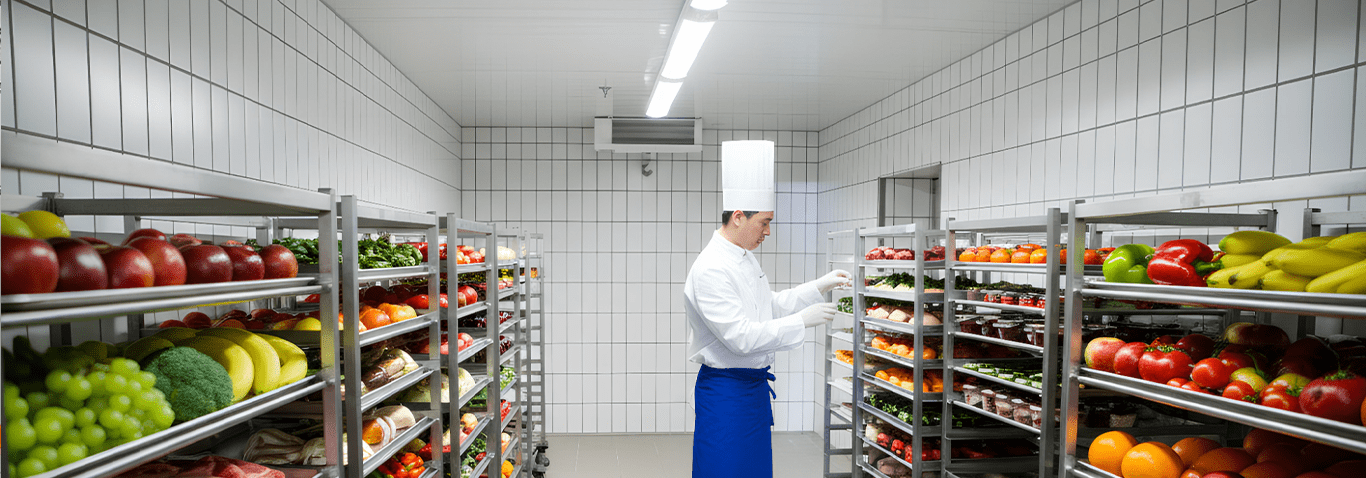
Hotels in Singapore operate in a dynamic environment where guest volumes, menu offerings, and ingredient availability shift with the seasons. From festive buffets during Christmas and Chinese New Year to slower occupancy periods in mid-year, the way hotels use their cold rooms must adapt constantly.
Efficient cold storage management helps hospitality teams control costs, maintain food quality, and respond quickly to demand changes. This article explores how hotels adjust cold room operations across the year — through smart inventory planning, flexible cold room design, and technology-driven monitoring.
1. Adjusting Cold Room Stock Levels for Peak vs. Low Season
Balancing Storage and Demand
During high-demand periods such as festive holidays or convention seasons, hotels must accommodate increased food volumes — especially perishable items like seafood, dairy, and fresh produce. Cold rooms become busier, and capacity planning becomes critical.
A downtown business hotel may double its seafood and poultry stock in December to cater to banquet events. To prevent overcrowding, the engineering team often recalibrates the chiller’s airflow and temperature setpoints to handle heavier loads efficiently.
In contrast, during quieter months (for example, between March and May), the same hotel reduces stock levels and temporarily powers down unused cold room zones to save energy. This flexible approach helps keep operating costs under control without compromising food safety.
Smart Inventory Rotation
Hotels also rely on first-in-first-out (FIFO) systems to ensure older inventory gets used first, minimizing waste. Barcode tracking or simple digital inventory tools can integrate with cold room monitoring systems, allowing chefs and storeroom managers to see what’s expiring soon — all without opening the cold room door too often.
2. Storage Strategies for Seasonal Ingredients and Festive Menus
Planning Ahead for Limited-Supply Ingredients
Many festive menus depend on ingredients that are only available for short periods — such as roasted chestnuts, mandarin oranges, or premium seafood. These require careful storage planning to retain freshness.
Hotels often allocate dedicated sections within chillers or freezers to specific menu programs. A luxury resort in Sentosa, for instance, designates separate cold room shelves for its “Festive Specials” menu, ensuring that rare imported items are stored under optimal humidity and temperature conditions.
Preventing Spoilage During Menu Changes
When transitioning between menu cycles, leftover stock from the previous season must be managed carefully. Cold rooms equipped with multi-zone temperature controls make this easier — allowing one zone to operate at 4°C for fresh produce while another maintains -18°C for frozen goods.
This flexibility supports smooth transitions between seasons. For example, when a hotel switches from a summer seafood buffet to a Christmas roast menu, it can adjust cold room settings without needing extra infrastructure.
Leveraging Predictive Ordering
Some hotels use data from previous years to forecast ingredient demand. By aligning procurement and storage capacity with predicted peaks, cold rooms can be stocked precisely — reducing both shortages and overstocking.
A five-star chain in Marina Bay successfully reduced food wastage by 12% after implementing demand forecasting for its buffet operations. The data helped align cold room stocking with actual consumption trends, particularly for high-cost ingredients like smoked salmon and imported cheese.
3. Flexibility in Cold Room Design to Support Demand Changes
Modular Cold Room Design
A modular cold room layout is essential for adapting to changing volumes. Hotels increasingly use modular cold room systems that can expand or reconfigure storage zones based on seasonal needs.
For example, a modular setup allows an F&B team to:
- Convert a portion of the chiller into a freezer zone during festive peaks.
- Add temporary shelving or pallet racking for bulk ingredients.
- Revert to a smaller operating footprint during off-season to save energy.
A Kiat Lay-designed hybrid chiller for a central kitchen in Changi was built with removable partition panels, allowing the space to shift between high-volume event storage and normal kitchen operations — a practical solution for hotels hosting large-scale banquets.
Energy Efficiency Through Load-Based Operation
Modern refrigeration systems feature variable-speed compressors that adjust power output based on demand. During busy months, they ramp up to handle the load; during low season, they scale down automatically. This not only ensures consistent temperature but also prevents unnecessary energy consumption.
Integration with Building Management Systems (BMS)
Hotels with smart BMS platforms can monitor cold room performance across multiple kitchens or floors. Real-time data helps F&B and engineering teams:
- Identify underused cold rooms.
- Consolidate storage during quiet periods.
- Detect temperature anomalies before spoilage occurs.
This level of visibility supports both sustainability and operational efficiency — aligning with Singapore’s Green Mark standards and the hospitality industry’s push toward energy optimization.
4. Case Study: Seasonal Storage Optimization at a Singapore Hotel
A major hotel group in Orchard Road approached Kiat Lay to enhance its cold storage operations ahead of the year-end festive season. The challenge: their existing cold rooms were operating near capacity every December, leading to inconsistent temperatures and rising energy bills.
Kiat Lay implemented a solution that included:
- Additional modular cold room units with plug-in capability.
- Zoned temperature control for fresh produce, seafood, and bakery items.
- Smart temperature loggers that alerted staff of temperature fluctuations via mobile notifications.
The results were clear:
- A 25% increase in effective storage capacity during the festive season.
- 15% reduction in energy use during off-peak months by deactivating unused zones.
- Improved compliance with SFA food safety standards through automated temperature records.
Conclusion
In the hospitality industry, adaptability is key — and that extends to cold room operations. Hotels must balance efficiency, food quality, and sustainability as guest demand fluctuates throughout the year.
By adjusting stock levels, optimizing storage for seasonal menus, and designing flexible cold room systems, hotels can maintain seamless kitchen operations no matter the season.
Partnering with an experienced specialist like Kiat Lay ensures every cold room is built not just for today’s needs, but for the year-round rhythm of hospitality — from the quiet months to the busiest festive feasts.