


Incorporating Redundant Cooling Systems in Logistics Cold Rooms
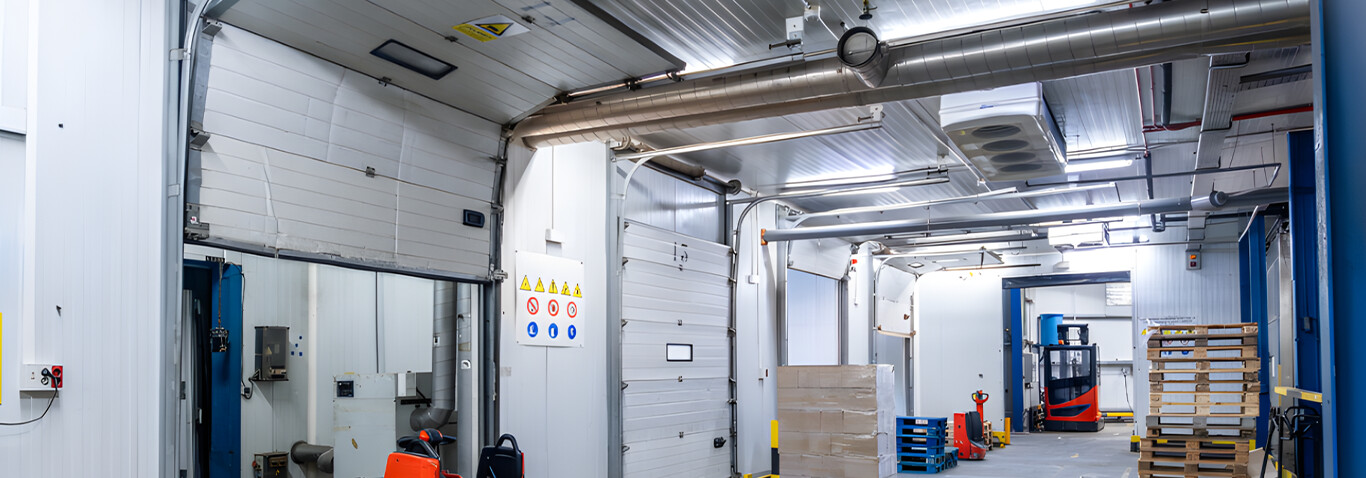
In Singapore’s logistics landscape, the demand for reliable cold chain storage continues to grow — from pharmaceuticals to food distribution. For these operations, temperature stability isn’t just a quality goal; it’s a business necessity. Any interruption, even for a few hours, can mean product spoilage, loss of compliance, and serious financial consequences.
That’s where redundancy comes in. Redundant cooling systems act as the safety net that keeps logistics cold rooms operational even when the primary system fails. Let’s explore how these systems work, their cost-benefit considerations, and how logistics facilities can integrate them efficiently.
Redundant Cooling Systems: Preventing Product Loss During System Failures
When a cold room’s main refrigeration system breaks down, the temperature can rise quickly — especially in Singapore’s humid climate. For pharmaceutical and food logistics facilities, this can mean millions of dollars in product losses and non-compliance with health and safety standards.
A redundant system ensures that a backup cooling source automatically takes over. For instance, in a -20°C frozen storage area, the secondary compressor can activate within seconds of detecting a temperature deviation, maintaining the required environment without human intervention.
Case Example:
A regional food logistics hub in Tuas operates multiple temperature zones for frozen, chilled, and ambient goods. When one of its main compressors failed due to a power surge, the redundant system engaged immediately. The backup maintained -18°C, preventing spoilage across 500 pallets of frozen goods — a potential loss of over SGD 200,000 averted.
Backup Generators vs. Secondary Refrigeration Units
There are two main approaches to redundancy: backup power generation and secondary refrigeration systems.
- Backup Generators
- These systems provide electrical continuity during blackouts or grid failures.
- Particularly useful for cold rooms connected to large distribution centers where the power draw is high.
- However, they don’t address issues like compressor breakdowns or refrigerant leaks.
- Secondary Refrigeration Units
- These are separate cooling systems that share load or take over if the main unit fails.
- Often configured with dual evaporators and dual compressors, each independently powered and controlled.
- Provides true system-level redundancy — protecting against both power and mechanical failures.
In most logistics operations, a hybrid setup — combining a generator with a redundant refrigeration system — offers the best protection.
Cost-Benefit Analysis of Redundancy Planning
While redundancy systems come with higher upfront costs, they deliver strong long-term ROI through risk mitigation. Let’s break down the key benefits:
- Reduced Downtime Costs: Every hour of downtime in a pharmaceutical warehouse could cost thousands in lost product and potential regulatory penalties.
- Extended Equipment Life: Alternating between two systems can reduce wear and tear on compressors and fans, prolonging service life.
- Regulatory Confidence: Compliance with GDP (Good Distribution Practice) and HACCP (Hazard Analysis and Critical Control Points) often requires proof of temperature stability during emergencies. Redundant systems support certification.
- Energy Optimisation Options: Modern systems allow partial load sharing, using both units efficiently during peak demand periods — enhancing energy efficiency instead of wasting it.
Example Calculation:
A logistics cold room investing SGD 60,000 in redundancy could save over SGD 150,000 in avoided product losses during a single outage incident — not counting the reputational damage avoided from delayed shipments.
Implementation Strategies for Logistics Facilities
Designing redundancy should start early in the cold room planning stage. Kiat Lay’s engineering team often recommends a dual-circuit refrigeration system with independent compressors and control panels. This ensures seamless switching without temperature spikes.
Key implementation strategies include:
- Zonal Redundancy: Divide the cold room into temperature zones so one zone can remain operational while another is under repair.
- Smart Monitoring Systems: Real-time alerts and automated failover logic to trigger backups instantly.
- Routine Testing: Regularly simulating system failure to ensure the secondary unit responds correctly.
In Singapore, where logistics hubs like Jurong and Changi handle high-value temperature-sensitive cargo daily, such redundancy isn’t optional — it’s an essential part of operational reliability.
Case Study: Pharmaceutical Logistics Centre, Changi
A pharmaceutical logistics facility near Changi Business Park handles vaccine shipments requiring -70°C storage. To safeguard against failure, it installed a dual-compressor ULT (Ultra-Low Temperature) system with independent refrigerant circuits and power lines.
During a routine maintenance shutdown, the secondary compressor handled full load without fluctuation, demonstrating full system redundancy. This design helped the company secure HSA GDP certification, reinforcing its reputation as a dependable cold chain partner.
Conclusion
Redundant cooling systems are more than just an insurance policy — they’re an operational necessity for modern logistics. As supply chains become faster and more complex, unplanned downtime can ripple through entire networks.
By integrating backup power, secondary refrigeration units, and intelligent monitoring from the start, logistics operators can ensure uninterrupted temperature control — and protect their products, partners, and reputation.
Kiat Lay’s approach to redundancy planning focuses on reliability, compliance, and cost-efficiency. Whether for a food distribution warehouse or a pharmaceutical logistics center, our cold room solutions are built to keep the cold chain strong — no matter what happens next.