


How Coldroom Design Improves Delivery Speed in Logistics Operations
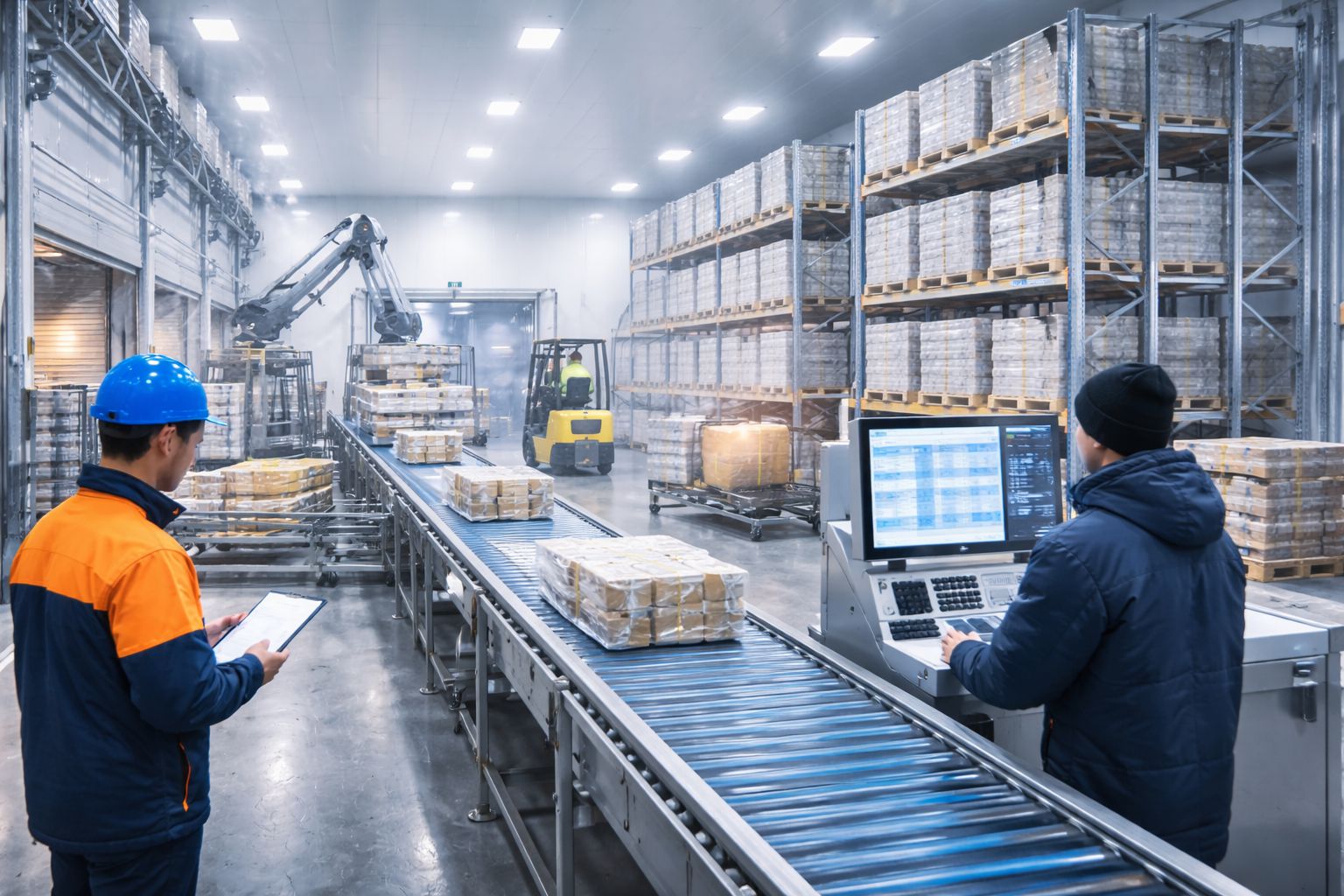
Delivery speed in cold chain logistics is not only shaped by fleet size, manpower, or order volume. It is also influenced by how efficiently goods move inside the cold room before they ever reach the loading bay.
For logistics operators handling frozen food, pharmaceuticals, e-commerce groceries, seafood, or temperature-sensitive goods, every minute spent picking, staging, loading, and dispatching matters. A poorly planned cold room can create congestion, slow down staff movement, increase door-opening time, and expose products to unnecessary temperature changes.
A well-designed coldroom, on the other hand, supports faster movement, safer handling, better inventory control, and stronger cold chain integrity. For logistics operations, coldroom design is not just a storage decision. It is an operational performance decision.
Below, we look at how cold room construction and design choices can improve delivery speed across logistics workflows.
1. Layout Design: Speed Starts with Operational Flow
A cold room is not just a place to store goods. It should support the natural movement of stock from receiving to storage, picking, staging, and dispatch. When the layout is planned around workflow, teams spend less time backtracking, waiting for access, or manoeuvring around congested areas.
An efficient coldroom layout helps logistics teams:
- Reduce unnecessary walking and handling time
- Improve forklift and pallet jack movement
- Separate inbound and outbound workflows
- Create clear zones for receiving, storage, picking, packing, and dispatch
- Lower the risk of product mix-ups during high-volume periods
For example, a food distributor with narrow aisles and overlapping work zones may face delays during peak dispatch windows. By widening movement lanes, separating picking from loading, and arranging stock according to dispatch frequency, the operation can move faster with fewer bottlenecks.
The key is to design the cold room around how goods actually move, not just how much stock needs to fit inside.
Key Takeaway
A smart coldroom layout improves delivery speed by reducing wasted movement, supporting safer handling, and keeping goods flowing smoothly from inbound to outbound.
2. Temperature Zoning: Faster Sorting, Picking, and Dispatch
Not all temperature-sensitive goods require the same storage condition. Frozen meat, chilled produce, dairy items, seafood, and pharmaceutical products may each require different handling requirements.
When all products are placed in one general cold space, staff may take longer to locate, sort, and dispatch orders. It can also increase the number of door openings, which affects temperature stability and energy performance.
Temperature zoning solves this by creating dedicated areas for different product categories or temperature ranges.
Common coldroom zones may include:
- Frozen storage zones
- Chilled storage zones
- Pre-dispatch holding zones
- Quarantine or inspection areas
- High-turnover picking zones
- Dedicated zones for sensitive or regulated goods
For a multi-product logistics warehouse, separate temperature zones allow teams to pick frozen and chilled orders more accurately without crossing workflows. This improves dispatch readiness and reduces the risk of sending products to the wrong temperature stream.
For operations with mixed inventory, temperature zoning also helps supervisors plan manpower more effectively because each team can work within a clearly defined zone.
Key Takeaway
Temperature zoning improves delivery speed by making stock easier to locate, sort, pick, and dispatch while maintaining product integrity.
3. Dock Integration: Reducing Transfer Time Between Cold Room and Loading Bay
The distance between the cold room and the loading dock has a direct impact on delivery speed. If goods have to travel through long corridors, exposed areas, or poorly connected spaces, loading and unloading take longer.
Poor dock integration can lead to:
- Slower loading and unloading
- Higher risk of temperature exposure
- Increased energy loss
- Congestion around dispatch areas
- Reduced delivery readiness during peak periods
A better design connects the cold room more directly to the dispatch workflow. This may include direct access points, insulated doors, dock levellers, staging zones, or fast-closing doors that reduce temperature loss during transfer.
For example, a seafood supplier may lose time moving products from a cold room located far from the loading bay. By relocating the dispatch-facing cold room closer to the dock and installing high-speed insulated doors, goods can move out faster with less exposure to ambient temperatures.
In cold chain logistics, shorter transfer routes often mean faster dispatch and stronger product protection.
Key Takeaway
Strong dock integration helps logistics teams reduce transfer time, protect product temperature, and keep deliveries moving on schedule.
4. Walk-In Chillers as Active Dispatch Hubs
Walk-in chillers are often seen as storage rooms, but in fast-moving logistics operations, they can do more than hold inventory.
When designed properly, a walk-in chiller can function as an active dispatch hub where orders are staged, checked, grouped, and prepared before loading. This is especially useful for e-commerce grocery fulfillment, catering supply, food distribution, and multi-drop cold chain delivery.
A dispatch-ready walk-in chiller may include:
- Dedicated picking lanes
- Pre-packed order sections
- Clear labelling and rack systems
- Staging areas near dispatch doors
- Separate zones for urgent, same-day, or route-based orders
For an e-grocery fulfilment centre, using a walk-in chiller as a staging zone near dispatch bays can reduce congestion and speed up order assembly. Instead of picking from deep storage at the last minute, staff can prepare orders in advance and move them quickly into delivery vehicles.
This type of design turns the walk-in chiller into a practical workflow tool, not just a temperature-controlled room.
Key Takeaway
A well-planned walk-in chiller supports faster fulfilment by allowing teams to pre-sort, stage, and dispatch orders with less delay.
5. Storage Systems and Racking: Faster Access to High-Movement Stock
Delivery speed depends heavily on how quickly teams can access the right products. Even with sufficient cold room capacity, poor racking or unclear storage systems can slow down picking.
Coldroom design should consider stock movement patterns. High-turnover products should be easier to access, while slower-moving items can be stored deeper within the facility.
Useful storage planning methods include:
- First-expiry, first-out inventory flow
- Clear aisle and bay labelling
- Heavy-duty racking suitable for cold environments
- Dedicated fast-pick areas
- Route-based or order-type grouping
- Space allocation for pallets, cartons, and loose picking
For pharmaceutical or food logistics, proper storage systems also support compliance and traceability. Staff can retrieve stock more accurately, reduce picking errors, and prevent unnecessary handling.
When storage design matches order behaviour, teams can fulfil deliveries faster without compromising safety or quality.
Key Takeaway
The right racking and storage system improves delivery speed by helping staff locate, pick, and move products more efficiently.
6. Automation and Smart Monitoring: Speed Through Better Control
Cold rooms are becoming more connected, especially in logistics operations where speed, accuracy, and temperature control must work together.
Automation and smart monitoring systems can help operators reduce manual checks, improve inventory visibility, and respond faster to temperature issues.
Relevant systems may include:
- IoT-based temperature monitoring
- Automated alerts for temperature deviations
- Warehouse management system integration
- Barcode or RFID tracking
- Automated guided vehicles
- Conveyor systems for suitable cold room layouts
For a logistics company managing high-volume chilled or frozen goods, smart monitoring reduces the need for manual temperature checks and improves confidence during dispatch. Automated tracking can also help teams locate stock faster and reduce picking errors.
The goal is not to add technology for its own sake. The system should support faster decisions, fewer delays, and better control over cold chain conditions.
Key Takeaway
Smart coldroom systems improve delivery speed by giving operators better visibility, faster alerts, and more accurate inventory movement.
7. Scalable Cold Room Construction: Staying Fast as Demand Grows
Logistics operations rarely stay the same. Order volumes grow, delivery windows tighten, product categories expand, and customers expect more reliable fulfillment.
If the cold room is not designed for growth, the operation may eventually face congestion, inefficient workflows, and costly retrofits.
Scalable cold room construction may include:
- Modular insulated panel systems
- Expandable layouts
- Space planning for future racking
- Allowances for additional doors or staging areas
- Future-ready electrical and refrigeration planning
- Design flexibility for automation upgrades
For a third-party logistics provider, designing a cold room with future expansion in mind can help the business increase capacity without disrupting daily operations. This matters because downtime during upgrades can affect customer commitments and delivery performance.
A scalable coldroom gives logistics operators room to grow while protecting operational continuity.
Key Takeaway
Scalable cold room design helps businesses maintain delivery speed even as storage volume, product range, and order complexity increase.
Why Coldroom Design Matters for Cold Chain Delivery Speed
Cold chain delivery speed is not only about what happens on the road. It starts inside the facility.
A well-designed cold room helps logistics teams:
- Receive goods faster
- Store products in the right zones
- Pick orders with fewer delays
- Stage deliveries more efficiently
- Reduce temperature exposure during transfer
- Improve stock accuracy
- Support safer and faster loading
When these elements work together, the logistics operation becomes more reliable. Deliveries move faster, products remain protected, and teams can handle peak periods with better control.
Conclusion
Delivery speed in logistics is engineered through practical, well-planned infrastructure. For cold chain operators, the cold room plays a direct role in how quickly goods can be received, stored, picked, staged, and dispatched.
For businesses handling temperature-sensitive goods, investing in the right coldroom design can improve delivery performance while protecting product quality, energy efficiency, and cold chain integrity.
Kiat Lay brings over 40 years of experience in cold room construction, freezer room systems, walk-in chillers, and temperature-controlled facilities for industrial and commercial operations.
We design coldroom solutions with a clear understanding of workflow, compliance, reliability, and long-term operational performance. Whether you are upgrading an existing logistics facility or planning a new cold storage room setup, our team can help you build a system that supports faster, safer, and more dependable deliveries.
FAQs About Coldroom Design for Logistics Operations
How does coldroom design affect delivery speed?
Coldroom design affects delivery speed by influencing how quickly goods can be received, stored, picked, staged, and moved to the loading bay. A well-planned layout reduces congestion, shortens transfer routes, and helps teams prepare orders faster.
What is the best cold room layout for logistics operations?
The best cold room layout for logistics operations is one that follows the movement of goods from inbound receiving to storage, picking, staging, and outbound dispatch. It should include clear zones, suitable aisle widths, efficient racking, and direct access to loading areas where possible.
Why is temperature zoning important in cold chain logistics?
Temperature zoning is important because different goods may require different storage conditions. By separating frozen, chilled, and sensitive products into dedicated zones, logistics teams can pick faster, reduce errors, and maintain better temperature control.
How can walk-in chillers improve order fulfilment?
Walk-in chillers can improve order fulfilment by acting as staging areas for picked and packed orders. This allows teams to prepare deliveries in advance, organise orders by route or timing, and reduce delays during dispatch.
What role does dock integration play in cold room efficiency?
Dock integration improves cold room efficiency by reducing the distance between storage and loading areas. Shorter transfer routes help minimise loading delays, reduce product exposure to ambient temperatures, and support smoother dispatch workflows.
Can automation improve coldroom logistics performance?
Yes. Automation can improve coldroom logistics performance by reducing manual handling, improving inventory visibility, and supporting faster stock movement. Systems such as IoT temperature monitoring, barcode tracking, and warehouse management integration can help teams make faster and more accurate decisions.
When should a logistics business upgrade its cold room?
A logistics business should consider upgrading its cold room when it faces frequent congestion, slow picking, limited storage capacity, temperature control issues, or delays during loading and dispatch. These signs often indicate that the current design no longer supports operational demand.
What should be considered when building a scalable cold room?
A scalable cold room should include modular construction, space for future racking, capacity for additional refrigeration requirements, flexible zoning, and allowances for future automation or dispatch expansion. This helps the facility grow without major disruption.