


Cold Room Design for Pharmaceutical Quarantine and Holding Areas
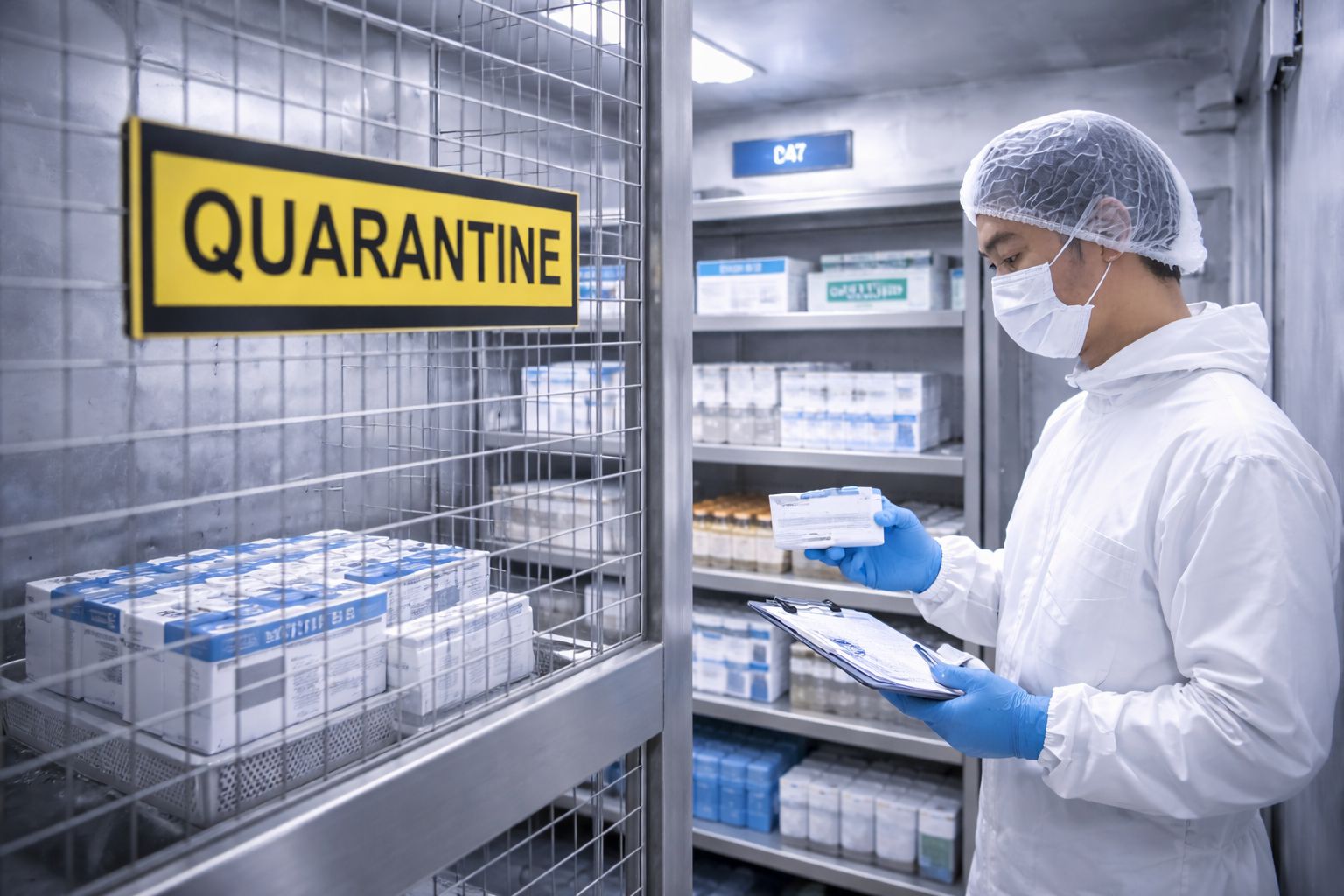
In pharmaceutical storage and distribution, not every product can move straight into approved inventory. Some products must be inspected, tested, investigated, returned, or held until quality teams confirm their status.
This is why quarantine and holding areas are essential in pharmaceutical cold storage. These spaces help ensure that non-released, returned, recalled, or potentially compromised products remain clearly separated from approved stock while still being kept under the correct controlled conditions.
A quarantine cold room is not simply extra storage space. It is a controlled safeguard that supports product integrity, audit readiness, and patient safety. When designed well, it helps pharmaceutical operators prevent stock mix-ups, maintain traceability, and manage quality processes without disrupting the wider supply chain.
This article explains how cold room design supports pharmaceutical quarantine and holding processes, with a focus on segregation, compliance, temperature control, workflow, and long-term operational reliability.
What Is a Pharmaceutical Quarantine Cold Room?
A pharmaceutical quarantine cold room is a temperature-controlled storage area used to hold products that are not yet approved for release or redistribution. These products may be awaiting inspection, quality control testing, regulatory clearance, or further investigation.
Quarantine storage is commonly used for:
- Products pending quality control checks
- Products awaiting batch release
- Items with damaged packaging
- Returned pharmaceutical products
- Recalled medicines
- Products under deviation investigation
- Stock awaiting disposal or rejection decisions
The main purpose of quarantine storage is to keep uncertain or non-released products physically and operationally separate from approved inventory. This reduces the risk of accidental use, shipment, or redistribution before the product status is confirmed.
Why Quarantine Areas Matter in Pharmaceutical Cold Storage
Pharmaceutical products are sensitive to both handling errors and storage conditions. If quarantine stock is not properly separated, there is a risk that products may be mixed with approved inventory or released before quality teams complete their checks.
Poor quarantine control can lead to product mix-ups, failed audits, regulatory action, unnecessary product loss, and potential risks to patient safety.
For this reason, pharmaceutical cold room design must support three core requirements:
- Clear segregation between different product statuses
- Stable storage conditions throughout the holding period
- Full traceability of product movement, access, and storage history
A well-planned quarantine cold room helps teams manage these requirements in a structured and repeatable way.
Designing Segregated Quarantine Cold Rooms
Segregation is the foundation of pharmaceutical quarantine storage. The cold room must make it clear which products are approved, which are on hold, and which are rejected or recalled.
Depending on the facility size and risk profile, segregation may be achieved through a dedicated quarantine cold room, a separate enclosed zone within a larger cold room, or a secured partitioned area with controlled access.
Key segregation strategies include:
Dedicated Quarantine Zones
Separate zones should be allocated for products that are pending release, under investigation, returned, recalled, or rejected. This helps staff identify product status quickly and reduces the chance of incorrect handling.
Physical Barriers or Partitioning
Physical separation may include partitions, cages, enclosed rooms, lockable areas, or marked holding sections. In higher-risk environments, physical barriers provide stronger protection than floor markings alone.
Clear Labelling and Signage
Labels such as “Quarantine”, “Hold”, “Rejected”, “Returned”, or “Recall” should be visible and consistent. Signage should be easy to understand, especially for teams working under time pressure.
Restricted Access Control
Only authorised personnel should be able to access quarantine areas. Access can be controlled using keys, passcodes, keycards, or digital access systems, depending on the facility’s compliance requirements.
For example, a pharmaceutical distribution centre may position a dedicated quarantine cold room beside the main storage area. Products awaiting quality approval can be moved into the quarantine room immediately after receiving, with access limited to authorised staff. This supports cleaner workflows and stronger audit control.
Maintaining Controlled Storage Conditions During Quarantine
Even when products are not yet released, they must still be stored within the required temperature range. Quarantine does not reduce the need for proper cold chain control. If products experience temperature excursions during the holding period, they may become unusable even if they later pass quality checks.
A pharmaceutical quarantine cold room should be designed to support:
- Consistent temperature control
- Uniform airflow distribution
- Reduced risk of hot spots and cold spots
- Humidity control where required
- Continuous temperature monitoring
- Alarm systems for deviations
- Backup power or refrigeration planning where needed
For many pharmaceutical products, storage may require controlled chilled conditions such as 2°C to 8°C, although the exact temperature range depends on the product requirements.
Airflow design is especially important. Poorly positioned shelving, blocked evaporators, or overcrowded storage can affect temperature uniformity. This is why cold room planning should consider both the refrigeration system and the way products will be arranged inside the room.
Monitoring, Alerts, and Data Logging
Pharmaceutical quarantine storage must be measurable and auditable. Manual checks alone may not be enough for facilities handling sensitive or high-value products.
A reliable monitoring system allows operators to track conditions continuously and respond quickly when readings move outside acceptable limits.
Important monitoring features include:
- Real-time temperature sensors
- Calibrated monitoring devices
- Automated alerts for temperature deviations
- Data logging for audits and investigations
- Access to historical temperature records
- Alarm escalation procedures
- System checks for power or equipment failure
For example, a hospital pharmacy using a quarantine cold room with real-time alerts can respond quickly when a temperature fluctuation occurs. This may prevent product loss and provide documented evidence of corrective action.
For regulated pharmaceutical environments, monitoring records are not only operational tools. They are part of the facility’s compliance evidence.
Supporting GMP, GDP, and Audit Readiness
Pharmaceutical quarantine storage must support recognised quality and distribution practices, including Good Manufacturing Practice and Good Distribution Practice requirements where applicable.
Cold room design should make compliance easier to maintain in daily operations, not harder. This means the space must help teams identify product status, control access, document conditions, and track every movement of quarantined stock.
A compliant quarantine cold room should support:
- Product status identification
- Controlled access
- Temperature records
- Inventory traceability
- Defined movement procedures
- Cleaning and maintenance control
- Documented inspection or release processes
During an audit, the facility should be able to show:
- Where quarantined products were stored
- When they entered and left the area
- Who accessed or handled them
- What temperature conditions they were stored under
- Whether any deviations occurred
- What corrective actions were taken
This level of traceability helps pharmaceutical operators protect compliance and reduce uncertainty during inspections.
Traceability and Inventory Control
Strong quarantine design should work together with inventory control systems. The goal is to prevent any product from moving into approved stock without the correct quality decision and documentation.
Traceability measures may include:
- Barcode scanning
- RFID tracking
- Batch and lot number control
- Digital quarantine logs
- Warehouse management system integration
- Status-based inventory controls
- Clear release and rejection workflows
For example, a pharmaceutical logistics provider may integrate barcode tracking with its quarantine cold room process. When stock enters the quarantine area, its status is recorded digitally. The system can then prevent accidental picking or release until the product has been cleared.
This reduces reliance on memory or manual checks, which is especially important in high-volume pharmaceutical operations.
Optimising Workflow Without Compromising Segregation
Quarantine areas must be secure and controlled, but they should not create unnecessary bottlenecks. Good cold room design balances compliance with practical workflow.
Poorly planned quarantine areas can lead to:
- Delays in receiving
- Slow quality inspections
- Excessive handling
- Congested pathways
- Confusion between approved and non-approved stock
- Longer release timelines
Key workflow considerations include:
Proximity to Receiving Areas
Quarantine zones should be positioned close to receiving areas where possible. This allows incoming products that require inspection to be moved into controlled storage quickly.
Separate Movement Routes
Approved and non-approved stock should follow clearly defined movement paths. This reduces the risk of cross-contact or accidental mixing.
Dedicated Inspection Space
A nearby inspection or checking area can help quality teams assess products more efficiently before release, rejection, or further investigation.
Practical Shelving and Access
Shelving should allow staff to retrieve products safely without disturbing unrelated stock. The layout should support easy identification by batch, status, product type, or investigation stage.
For example, a pharmaceutical warehouse may redesign its cold room layout so quarantine storage sits between receiving and quality inspection. This reduces handling time while keeping quarantined stock separate from approved inventory.
Managing Returned and Recalled Pharmaceutical Products
Returned and recalled pharmaceutical products require particularly careful handling. These items may have uncertain storage histories, packaging damage, or quality concerns.
A quarantine cold room should include clearly defined areas for returns and recalls so these products do not re-enter normal inventory by mistake.
Design considerations include:
- Dedicated return zones
- Dedicated recall zones
- Secure storage for investigation
- Clear product status labels
- Separate access control where needed
- Detailed movement and handling records
- Defined disposal or release pathways
During a product recall, a structured quarantine cold room allows staff to isolate affected products quickly without disrupting approved stock. This helps the facility respond faster and maintain control during a high-pressure situation.
Designing for Long-Term Reliability and Growth
Pharmaceutical operations can change over time. Product volumes may increase, compliance requirements may become stricter, and facilities may need to handle more complex temperature-sensitive inventory.
Future-ready quarantine cold room design should allow the facility to adapt without major disruption.
Useful design considerations include:
- Modular insulated panel systems
- Expandable quarantine zones
- Space for additional shelving or racking
- Capacity for future monitoring upgrades
- Integration with digital inventory platforms
- Enhanced access control
- Backup system planning
- Maintenance access for refrigeration equipment
For pharmaceutical operators, reliability is not only about equipment performance. It is also about keeping the facility audit-ready, operational, and scalable over the long term.
Key Cold Room Design Checklist for Pharmaceutical Quarantine Areas
A pharmaceutical quarantine cold room should be planned with both compliance and daily operations in mind. Key design points include:
- Clear separation from approved inventory
- Defined zones for hold, returned, recalled, and rejected products
- Stable temperature control based on product requirements
- Uniform airflow and suitable shelving arrangement
- Continuous monitoring and data logging
- Restricted access for authorised personnel
- Clear labelling and signage
- Traceability through digital or documented records
- Proximity to receiving and inspection areas
- Scalability for future operational needs
Conclusion
Pharmaceutical quarantine and holding areas play a critical role in protecting product integrity, compliance, and patient safety. These areas ensure that non-released, returned, recalled, or under-investigation products remain controlled, clearly identified, and fully traceable until the correct decision is made.
Kiat Lay has over 40 years of experience in cold room construction, freezer room systems, walk-in chillers, and temperature-controlled facilities for commercial and industrial applications.
For pharmaceutical operators, Kiat Lay design cold room solutions that support controlled storage, segregation, compliance requirements, operational continuity, and long-term reliability. Whether you need a dedicated quarantine cold room, a holding area within an existing facility, or a complete pharmaceutical cold storage setup, our team can help you plan a system that fits your workflow and quality requirements
FAQs About Pharmaceutical Quarantine Cold Room Design
What is a quarantine cold room in pharmaceutical storage?
A quarantine cold room is a temperature-controlled space used to store pharmaceutical products that are not yet approved for release. This may include products pending quality checks, returned goods, recalled items, damaged stock, or products under investigation.
Why do pharmaceutical products need quarantine storage?
Pharmaceutical products need quarantine storage to prevent non-approved or potentially compromised items from mixing with approved inventory. This protects product integrity, supports compliance, and reduces the risk of accidental release.
What temperature should a pharmaceutical quarantine cold room maintain?
The required temperature depends on the product. Many chilled pharmaceutical products require storage at 2°C to 8°C, while other products may need different controlled conditions. The cold room should be designed according to the product’s validated storage requirements.
How should quarantine products be separated from approved stock?
Quarantine products can be separated through dedicated cold rooms, enclosed zones, physical partitions, cages, restricted access, clear signage, and inventory status controls. Higher-risk products usually require stronger physical and procedural segregation.
What features are important in pharmaceutical quarantine cold room design?
Important features include stable temperature control, uniform airflow, continuous monitoring, data logging, restricted access, clear labelling, traceability systems, dedicated holding zones, and practical movement routes for receiving and inspection.
How does cold room design support GMP and GDP compliance?
Cold room design supports GMP and GDP compliance by helping facilities maintain product status control, storage records, access logs, traceability, and documented temperature conditions. This makes it easier to demonstrate control during audits or inspections.
Can returned or recalled pharmaceutical products be stored in the same quarantine cold room?
Returned or recalled products may be stored within the quarantine cold room if they are clearly segregated, labelled, secured, and tracked. Many facilities use separate return or recall zones to prevent accidental redistribution.
Why is monitoring important in quarantine cold rooms?
Monitoring is important because quarantined products must still remain within their required storage conditions. Continuous temperature tracking, alerts, and data logging help operators respond quickly to deviations and provide records for compliance.
Where should a quarantine cold room be located in a pharmaceutical facility?
A quarantine cold room is often best located near receiving or inspection areas. This reduces handling time and allows incoming products to be placed into controlled storage quickly while remaining separate from approved stock.
When should a pharmaceutical business upgrade its quarantine cold room?
A pharmaceutical business should consider upgrading its quarantine cold room when it faces space constraints, poor segregation, inconsistent temperatures, limited monitoring, weak traceability, access control issues, or recurring audit concerns.