


Cold Room Storage Planning for High-Volume Central Kitchens
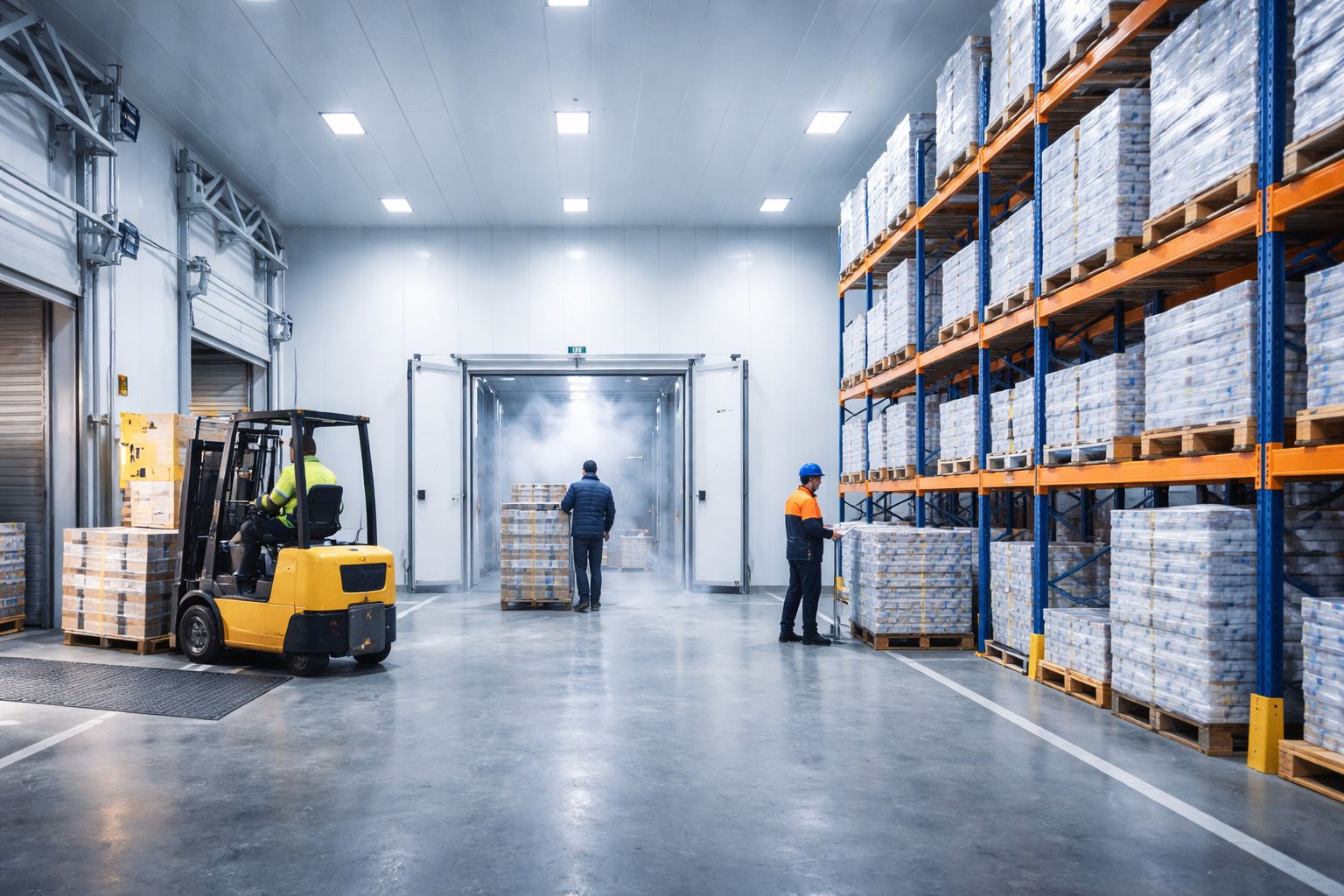
High-volume central kitchens depend on cold room storage to keep ingredients safe, organised and ready for production. Whether the kitchen supports multiple restaurant outlets, catering operations, hotels, meal preparation services or institutional food supply, the cold room plays a direct role in food quality, hygiene control and daily workflow.
As production volume grows, cold room storage planning becomes more than a capacity issue. It must support bulk receiving, clear product segregation, fast ingredient retrieval, inventory control, food safety compliance and long-term operational continuity.
This article explains how central kitchens can plan cold room storage more effectively, with a focus on high-volume ingredient storage, flexible design, inventory management, hygiene, workflow efficiency and future scalability.
What Is Cold Room Storage Planning for Central Kitchens?
Cold room storage planning refers to the process of designing and organising chilled or frozen storage areas around a central kitchen’s actual operating needs. It considers what ingredients are stored, how often they move, how staff access them and how storage conditions affect food safety and production efficiency.
A well-planned central kitchen cold room should support:
- Bulk ingredient receiving
- Separate storage for raw, cooked and ready-to-eat items
- Clear zoning by ingredient type
- Stable temperature and humidity control
- Efficient picking and replenishment
- FIFO stock rotation
- Food-safe finishes and easy cleaning
- Digital monitoring and audit-ready records
- Scalable capacity for future growth
The aim is not only to store more ingredients. The aim is to create a cold storage system that helps the kitchen produce consistently, safely and efficiently.
Why Cold Room Planning Matters in High-Volume Central Kitchens
Central kitchens handle larger volumes than standalone F&B outlets. They may receive bulk deliveries in the morning, prepare large production batches during the day and dispatch finished items to multiple locations.
Without proper cold room planning, operators may face:
- Ingredient congestion
- Slower picking and preparation
- Cross-contamination risk
- Temperature fluctuations
- Over-ordering or stock expiry
- Higher food wastage
- Longer cleaning times
- Delays during peak production
- Higher energy consumption
For central kitchens, cold room storage planning directly affects product consistency, staff productivity, food safety and operating cost.
Supporting High-Volume Ingredient Storage
Central kitchens often store large volumes of raw materials, including meat, seafood, vegetables, dairy, sauces, frozen items and prepared components. Because these ingredients have different storage requirements, a single unstructured cold room can quickly become inefficient and risky.
Walk-in cold rooms are commonly used because they provide storage capacity, easy access and controlled conditions. However, size alone is not enough. The internal layout must be planned carefully so ingredients can be stored, found and rotated without disrupting production.
Key Storage Planning Considerations
1. Zoning by Ingredient Type
Raw proteins, seafood, vegetables, dairy, cooked items and ready-to-eat products should be stored in clearly defined zones. This reduces cross-contamination risk and helps staff retrieve ingredients faster.
Common zones may include:
- Raw meat storage
- Seafood storage
- Fresh produce storage
- Dairy and chilled ingredients
- Cooked or prepared items
- Frozen goods
- Dispatch-ready items
Zoning also supports clearer staff responsibility and easier food safety checks.
2. Separation of Raw and Ready-to-Eat Items
Raw ingredients should not be stored in a way that risks contact with cooked or ready-to-eat food. Central kitchens should plan separate shelves, zones or rooms where required, especially for raw proteins and prepared items.
This helps support HACCP-based food safety practices and reduces hygiene risk during high-volume production.
3. Vertical Storage and Shelving
Multi-tier stainless steel racks help maximise vertical space. Shelving should be strong, food-safe, easy to clean and arranged to allow proper airflow around stored items.
Overcrowded shelves can block air circulation, create uneven temperatures and make stock rotation harder.
4. Airflow and Temperature Uniformity
Cold room storage should allow chilled air to circulate properly. Blocking evaporators, overloading shelves or storing products too close to walls can lead to inconsistent temperatures and potential spoilage.
A good storage plan considers both space efficiency and cooling performance.
Example: Zoned Cold Room Layout for a Central Kitchen
A central kitchen supplying several F&B outlets implemented a zoned cold room layout for raw meats, vegetables and prepared items. The clearer storage structure reduced searching time, lowered cross-contamination risk and helped production teams retrieve ingredients more efficiently during peak hours.
Flexible Cold Room Design for Dynamic Operations
Central kitchens rarely operate with fixed demand every day. Menus change, bulk orders vary, seasonal ingredients move quickly and catering volumes can increase with short notice.
Flexible cold room design helps kitchens adapt without constantly disrupting operations.
Key Features of Flexible Cold Room Design
1. Modular Cold Room Construction
Modular cold rooms use insulated panels that can be configured to suit the available space and future expansion plans. This allows businesses to expand, divide or reconfigure storage areas more easily as operations grow.
2. Dual-Temperature Storage
Some central kitchens need both chilled and frozen storage. Dual-temperature cold room design can combine chiller and freezer functions within one planned system, while still keeping the temperature zones properly separated.
This is useful for kitchens handling fresh ingredients, frozen proteins, desserts, sauces and batch-prepared items.
3. Wider Doors and Multiple Access Points
In high-volume kitchens, several staff members may need cold room access at the same time. Wider door configurations, suitable traffic routes and multiple access points can reduce congestion and improve movement during busy production windows.
4. Adjustable Shelving Layouts
Adjustable shelving allows kitchens to adapt storage based on ingredient volume. For example, a catering kitchen may need more produce space during festive periods and more frozen storage during bulk production cycles.
Example: Modular Upgrade for a Catering Facility
A food production facility serving corporate catering clients upgraded its cold room with modular panels and dual-zone storage. The improved system allowed the kitchen to handle higher daily order volumes without adding a completely separate storage area.
Managing Inventory Fluctuations Efficiently
Inventory fluctuation is one of the main challenges in central kitchen operations. Over-ordering increases spoilage risk, while under-ordering can disrupt production schedules.
Cold room storage planning should support stock visibility, accurate rotation and faster inventory checks.
Inventory Control Practices for Cold Rooms
1. FIFO Stock Rotation
FIFO means First-In, First-Out. This method ensures older stock is used before newer deliveries, helping reduce expiry-related waste and quality issues.
Cold room shelves should be arranged so staff can rotate stock easily without moving multiple items unnecessarily.
2. Clear Labelling
Clear labels help staff identify ingredient type, delivery date, expiry date and production batch. In high-volume kitchens, labelling reduces mistakes and helps maintain traceability.
3. Structured Shelving
Shelving should be organised by product category and turnover rate. Fast-moving ingredients should be placed in easy-access areas, while lower-turnover items can be stored further from main picking routes.
4. Digital Monitoring
Modern cold rooms can include sensors that track temperature, humidity and door activity. Real-time alerts help staff respond quickly when storage conditions move outside the required range.
Some systems may also support inventory visibility, helping teams track stock levels and reduce manual checking.
Example: Digital Monitoring for Inventory Control
A central kitchen integrated digital monitoring into its cold room system. The system provided visibility over storage conditions and helped the team identify temperature issues earlier. Combined with better stock organisation, the kitchen reduced food waste and improved production planning.
Hygiene and Compliance in Cold Room Storage
Food safety is a priority in every central kitchen. Cold room construction and storage planning must support hygiene, cleaning and regulatory compliance from the start.
Key hygiene-focused features may include:
- Food-grade insulated panels
- Anti-slip flooring
- Sealed joints
- Coved corners
- Washable wall and ceiling surfaces
- Proper drainage where wash-down is required
- Stainless steel shelving
- Temperature logging
- Pest control considerations
- Clear separation of raw and cooked items
A hygienic cold room should be easy to clean, inspect and maintain. If cleaning is difficult, hygiene standards become harder to sustain during daily production.
Zoning for Food Safety
Zoning helps reduce cross-contamination by keeping food categories separated. Raw proteins, cooked items, allergen-sensitive products and ready-to-eat items may require dedicated storage areas or clear physical separation.
This supports safer production workflows and more consistent food safety practices.
Airflow, Defrost and Condensation Control
Proper ventilation and defrost planning help prevent ice buildup, moisture accumulation and uneven cooling. Condensation can affect packaging, floors and stored products, so cold room design should manage humidity and airflow carefully.
Example: Hygiene Upgrade for Meal Preparation Facility
A large-scale meal preparation facility upgraded its cold room with anti-slip flooring, improved drainage and better airflow design. The improvements made cleaning easier, reduced moisture-related issues and supported smoother hygiene routines before and after production cycles.
Enhancing Workflow and Operational Efficiency
In high-volume central kitchens, storage efficiency affects the entire production line. If staff spend too much time searching for ingredients, moving through congested areas or waiting for access, production slows down.
How Cold Room Planning Improves Workflow
1. Strategic Placement Near Prep Areas
Cold rooms should be located close to relevant preparation zones where possible. This reduces unnecessary movement and helps teams maintain faster ingredient flow during production.
2. Clear Picking Routes
A good layout should allow staff to enter, pick and exit quickly. Clear routes reduce congestion and also help limit the amount of time doors stay open.
3. Good Lighting
LED lighting improves visibility without adding excessive heat. Bright, efficient lighting helps staff identify products faster, reduce picking errors and work more safely inside the cold room.
4. Door and Access Management
Automatic door closers, rapid-close doors or door alarms can help reduce energy loss. Door management is especially important in busy central kitchens where frequent access can affect temperature stability.
5. Smart Controls
Smart controls and remote monitoring help facilities teams monitor temperature performance, identify irregular patterns and respond before issues affect production.
Example: Cold Room Placement Beside Prep Stations
A central kitchen repositioned its cold room access closer to preparation stations. This shortened ingredient retrieval time, reduced unnecessary movement and improved productivity during peak production periods.
Future-Proofing Central Kitchen Cold Rooms
Central kitchens need cold rooms that can support growth. As order volumes increase or menus change, storage systems should be able to adapt without major disruption.
Future-ready cold room planning may include:
- Modular panel systems
- Space allowance for future expansion
- Scalable refrigeration capacity
- Flexible storage zones
- Energy-efficient compressors
- High-performance insulation
- Digital monitoring
- Maintenance access planning
- Integration with production and dispatch workflows
Future-proofing does not mean overbuilding. It means planning the right provisions so the cold room can grow with the operation.
Energy Efficiency in Central Kitchen Cold Rooms
Cold rooms run continuously, so energy performance affects long-term operating cost. Energy-efficient design helps reduce utility bills while maintaining stable storage conditions.
Energy-saving features may include:
- High-performance insulated panels
- Proper door seals
- Correct refrigeration sizing
- LED lighting
- Motion sensors
- Smart temperature controls
- Reduced air leakage
- Preventive maintenance planning
A well-designed cold room balances energy efficiency with operational reliability. Undersized systems may struggle during peak use, while poorly controlled systems may waste energy.
Choosing the Right Cold Room Partner for Central Kitchens
The right cold room partner should understand both refrigeration and central kitchen operations. The system must be designed around ingredient flow, hygiene requirements, staff movement, production schedules and future growth.
Before starting a project, central kitchen operators should consider whether their cold room specialist can support:
- Site assessment and workflow planning
- Zoning for raw, cooked and ready-to-eat items
- Chiller and freezer room design
- Shelving and racking coordination
- Food-grade material specification
- Drainage and flooring planning
- Temperature monitoring integration
- Energy efficiency planning
- Maintenance access
- Future expansion requirements
For high-volume central kitchens, cold room storage is business-critical infrastructure. It supports food quality, service reliability and production continuity.
Plan a Cold Room That Supports High-Volume Kitchen Operations
Cold room storage planning is a critical part of high-volume central kitchen operations. It affects ingredient quality, hygiene control, production speed, food waste and long-term scalability.
Kiat Lay designs and constructs cold rooms for F&B businesses that need reliable temperature control, efficient workflows and long-term operational confidence. For central kitchens, we focus on practical storage planning, food-safe materials, refrigeration performance, digital monitoring and future-ready layouts.
Planning to renovate your central kitchen or expand your cold storage capacity for higher production volumes?
As an experienced central kitchen renovation contractor, Kiat Lay designs and constructs cold rooms that support efficient workflows, reliable temperature control, and long-term operational growth. Speak to our team to plan a cold room storage solution that protects ingredient quality, improves productivity, and prepares your kitchen for future demand.
FAQs About Cold Room Storage Planning for Central Kitchens
What is cold room storage planning for a central kitchen?
Cold room storage planning is the process of organising chilled and frozen storage around a central kitchen’s production workflow. It includes zoning, shelving, temperature control, stock rotation, hygiene and future capacity planning.
Why do central kitchens need proper cold room zoning?
Central kitchens need zoning to separate raw ingredients, cooked items, ready-to-eat products, seafood, dairy and produce. This reduces cross-contamination risk, improves stock organisation and supports food safety compliance.
What temperature should a central kitchen cold room maintain?
Temperature depends on the stored product. Chilled ingredients are commonly stored between 0°C and 4°C, while frozen products are typically stored at -18°C or lower. Some ingredients may require specific temperature or humidity conditions.
How can cold room storage reduce food waste?
Cold room storage reduces food waste by maintaining stable temperatures, improving stock visibility, supporting FIFO rotation and helping staff identify expiring ingredients earlier. Digital monitoring can also alert teams to temperature deviations.
What shelving is best for central kitchen cold rooms?
Food-safe stainless steel shelving is commonly used because it is durable, easy to clean and suitable for chilled environments. Shelving should allow airflow, support the required load and make stock rotation easy.
Should central kitchens use separate chiller and freezer rooms?
Many central kitchens benefit from separate chiller and freezer zones because fresh and frozen ingredients require different conditions. Dual-temperature cold room systems can also be designed where space and workflow allow.
How does cold room layout affect kitchen productivity?
Cold room layout affects how quickly staff can retrieve ingredients, replenish stock and move between storage and prep areas. A well-planned layout reduces walking time, congestion and delays during peak production.
How can a central kitchen cold room be future-proofed?
A central kitchen cold room can be future-proofed with modular panels, flexible shelving, scalable refrigeration capacity, digital monitoring and space allowance for future expansion.
Why is digital monitoring important for central kitchen cold rooms?
Digital monitoring tracks temperature, humidity and door activity in real time. It helps teams respond quickly to deviations, protect ingredient quality and maintain records for food safety checks.