


Cold Room Construction Timeline: What Logistics Companies Should Expect
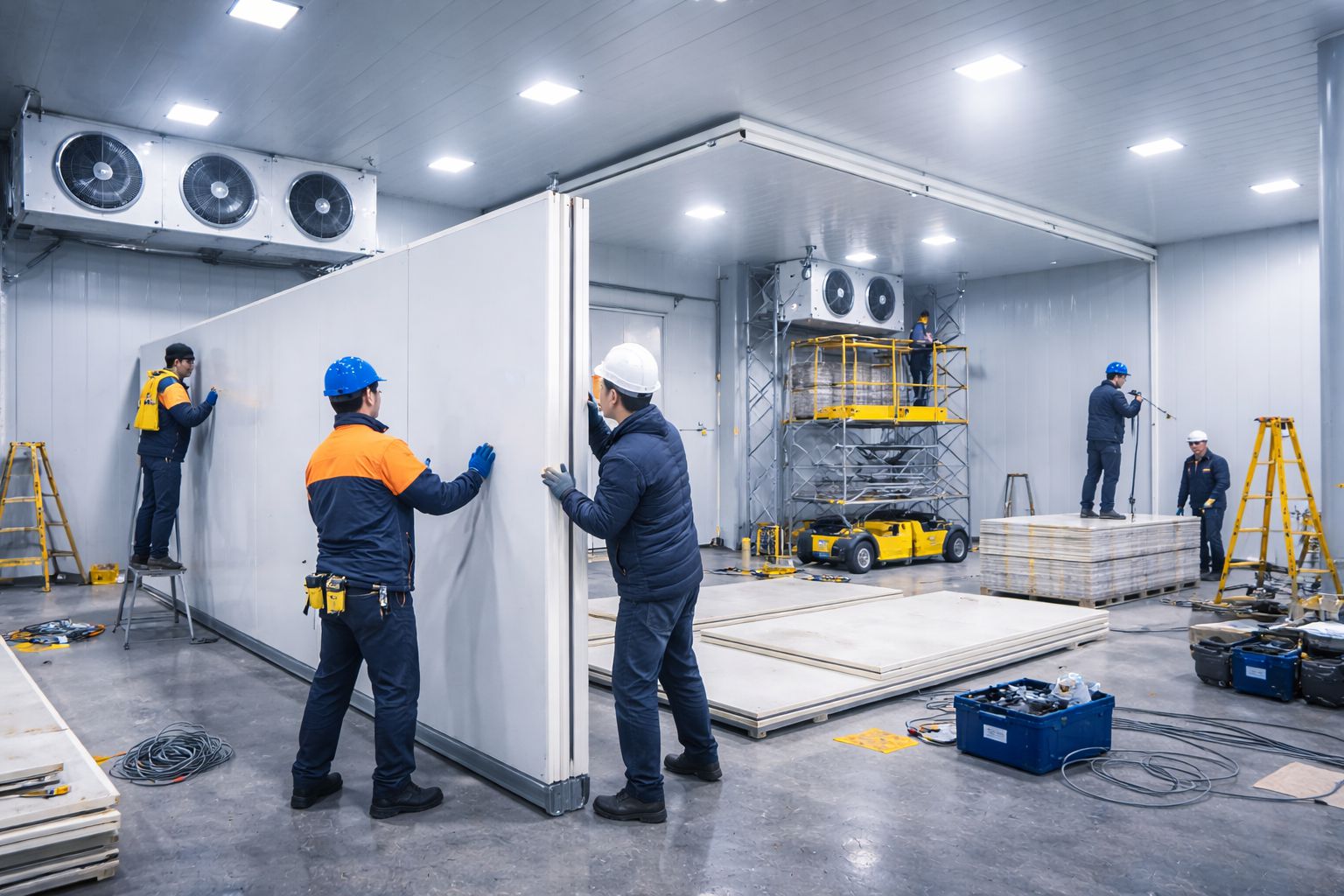
For logistics companies, cold room construction affects more than facility planning. It can influence contract timelines, warehouse readiness, delivery commitments and long-term cold chain performance. Whether you are expanding an existing warehouse or setting up a new temperature-controlled facility, understanding the construction timeline helps you plan resources, avoid disruption and make better operational decisions.
A cold room is not simply installed. It has to be planned, engineered, constructed, tested and handed over properly. Each phase plays a role in temperature stability, workflow efficiency, energy performance and maintenance access.
This article explains the typical cold room construction timeline for logistics companies, what to expect at each stage and how proper planning can help reduce delays.
How Long Does Cold Room Construction Take?
A typical cold room construction project for logistics operations may take around 9 to 17 weeks, depending on project size, site condition, temperature requirements, material lead time and installation complexity.
A general timeline may look like this:
- Initial planning and consultation: 1 to 2 weeks
- Site assessment and design finalisation: 2 to 3 weeks
- Procurement and material preparation: 2 to 4 weeks
- Installation and construction: 3 to 6 weeks
- Testing and commissioning: 1 to 2 weeks
- Handover and maintenance support: ongoing
Larger facilities, multi-temperature systems, pharmaceutical cold rooms and projects within live warehouses may require longer planning and coordination.
Why the Timeline Matters for Logistics Companies
In logistics, timing affects revenue and service reliability. A delayed cold room can postpone customer onboarding, disrupt storage commitments and create pressure on temporary storage arrangements.
Understanding the timeline helps logistics operators:
- Plan warehouse operations around installation works
- Coordinate customer contracts and storage commitments
- Prepare loading dock and racking requirements
- Avoid rushed design decisions
- Reduce downtime in live warehouse environments
- Allow enough time for testing and commissioning
- Build a cold room that performs reliably from day one
The aim is not simply to complete the project quickly. The aim is to build a cold room that supports the operation without creating future performance issues.
1. Initial Planning and Consultation: 1 to 2 Weeks
Every successful cold room project starts with a clear understanding of operating requirements. This stage defines what the cold room needs to do, what products it will store and how it must support daily logistics workflows.
During consultation, the contractor should assess:
- Product type, such as chilled, frozen or pharmaceutical goods
- Required temperature range
- Storage volume and turnover rate
- Inbound and outbound flow
- Door opening frequency
- Racking and forklift requirements
- Loading dock access
- Future expansion plans
- Budget and project schedule
For logistics operators, this is where cold room design should be aligned with business requirements, not just room size.
Example: 3PL Multi-Temperature Planning
A third-party logistics provider initially planned one large cold room for all clients. After reviewing client requirements, the design was revised into separate temperature zones to support chilled, frozen and specialist storage needs.
This early adjustment helped the operator:
- Serve a wider range of customers
- Avoid costly redesign later
- Improve storage flexibility
- Reduce operational conflicts between product categories
Planning time at the start can prevent expensive changes after construction begins.
2. Site Assessment and Design Finalisation: 2 to 3 Weeks
Once the requirements are clear, the project moves into site assessment and detailed design. This phase translates operational needs into a workable cold room layout, refrigeration design and construction plan.
A proper site assessment should review:
- Available warehouse space
- Floor condition and load capacity
- Ceiling height
- Existing power supply
- Drainage requirements
- Loading dock proximity
- Forklift and pallet movement
- Fire safety and access requirements
- Structural constraints
- Heat sources and ambient conditions
For logistics companies, this stage is critical because the cold room must integrate with the wider warehouse operation.
What Design Finalisation Includes
Design finalisation may include:
- Cold room layout and dimensions
- Chiller or freezer room configuration
- Multi-zone planning
- Door position and access routes
- Panel and insulation specification
- Flooring requirements
- Refrigeration system sizing
- Electrical and control systems
- Monitoring and alarm integration
- Maintenance access planning
This is the point where workflow efficiency is built into the project. If the layout is wrong, the operation may face daily inefficiencies long after construction is complete.
Example: Warehouse Layout Adjustment
A logistics warehouse initially positioned its cold room far from the loading dock. During the design phase, the layout was revised so the cold room sat closer to inbound and outbound movement.
This reduced transfer distance, lowered temperature exposure and improved loading efficiency.
3. Procurement and Material Preparation: 2 to 4 Weeks
After the design is approved, materials and equipment are prepared. Lead time depends on the project specification, availability of components and whether custom items are required.
Common cold room components include:
- Insulated wall and ceiling panels
- Floor insulation and vapour barriers where required
- Refrigeration units
- Evaporators and condensers
- Insulated doors
- Door heaters or seals for freezer rooms
- Electrical panels and controls
- Temperature monitoring systems
- Lighting
- Drainage components
- Racking coordination where applicable
What Can Affect Procurement Time?
Procurement may take longer when the project involves:
- Custom room dimensions
- Imported components
- Specialist freezer room doors
- Pharmaceutical-grade monitoring systems
- High-performance insulated panels
- Multi-temperature configurations
- Site-specific flooring systems
- High-capacity refrigeration systems
Material selection affects both timeline and long-term performance. Faster procurement should not come at the expense of insulation quality, system reliability or future serviceability.
Example: Modular Cold Room Advantage
A logistics company selected modular insulated panels for its cold room construction. This helped simplify installation, shorten on-site works and allow future expansion with less disruption.
4. Installation and Construction: 3 to 6 Weeks
Installation is the most visible stage of the project. This is where the cold room structure, refrigeration system, electrical controls and internal features are installed on site.
Typical installation works include:
- Site preparation
- Floor insulation and flooring works where required
- Insulated panel installation
- Ceiling installation
- Door and frame installation
- Refrigeration pipework
- Evaporator and condenser installation
- Electrical wiring
- Lighting and control installation
- Drainage or defrost system setup
- Monitoring system installation
- Sealing and finishing works
For logistics environments, installation planning must consider ongoing operations, vehicle movement, loading schedules and safety controls.
Installation in Live Warehouse Environments
Many logistics facilities cannot stop operations during construction. In these cases, the contractor may need to plan:
- Phased installation
- Night works or off-peak work windows
- Temporary segregation of work zones
- Safety barriers and access controls
- Coordination with warehouse teams
- Dust, noise and movement control
- Temporary storage arrangements
A strong installation plan reduces disruption and helps the warehouse continue operating safely.
Example: Live Warehouse Installation
A food logistics company needed a new cold room but could not pause daily operations. The installation was carried out in phases, with work scheduled around active loading periods.
This allowed the business to continue operating while construction progressed.
5. Testing and Commissioning: 1 to 2 Weeks
Before the cold room is handed over, it must be tested and commissioned. This stage confirms that the system performs as intended under controlled operating conditions.
Testing may include:
- Refrigeration system operation
- Temperature pull-down testing
- Temperature stability checks
- Airflow assessment
- Door seal inspection
- Defrost system checks
- Alarm testing
- Sensor verification
- Control panel checks
- Safety checks
- Final adjustments
Testing should not be skipped or rushed. A cold room that appears complete may still need airflow, control or sealing adjustments before it is ready for full operation.
Example: Pharmaceutical Logistics Commissioning
A pharmaceutical logistics company required strict temperature control for sensitive products. During commissioning, sensors were used to monitor temperature behaviour across the room.
Airflow adjustments and system tuning were completed before handover to support more stable storage conditions.
6. Handover and After-Sales Support: Ongoing
Once testing is complete, the contractor hands over the cold room. However, reliable cold room performance depends on proper operation, maintenance and response support after the project is completed.
Handover should include:
- Basic system operation guidance
- Temperature control instructions
- Alarm response procedures
- Maintenance recommendations
- Warranty information
- Equipment documentation
- Monitoring system access where applicable
- Service contact details
For logistics businesses operating around the clock, after-sales support is critical. A refrigeration issue can affect product quality, delivery commitments and customer confidence.
Example: Emergency Breakdown Response
A logistics operator experienced a refrigeration issue during peak storage demand. With fast technical support, the issue was resolved before it caused major product disruption.
This shows why maintenance access and responsive after-sales support should be considered before the project is awarded.
Total Cold Room Construction Timeline Overview
While every project is different, logistics companies can use the following timeline as a practical planning guide:
|
Phase |
Estimated Timeline |
|
Initial planning and consultation |
1 to 2 weeks |
|
Site assessment and design finalisation |
2 to 3 weeks |
|
Procurement and material preparation |
2 to 4 weeks |
|
Installation and construction |
3 to 6 weeks |
|
Testing and commissioning |
1 to 2 weeks |
|
Estimated total timeline |
9 to 17 weeks |
Complex projects may take longer, especially if they involve freezer rooms, pharmaceutical storage, multi-temperature zones, extensive flooring works, major electrical upgrades or construction within an active warehouse.
What Can Delay Cold Room Construction?
Cold room construction delays often happen when key decisions or site conditions are not addressed early.
Common causes of delay include:
- Incomplete operational requirements
- Late changes to layout or temperature range
- Insufficient power supply
- Floor loading or drainage issues
- Delayed material approvals
- Custom equipment lead times
- Restricted site access
- Working inside a live warehouse
- Coordination issues with racking, M&E or loading dock works
- Rushed planning that leads to redesign
The best way to reduce delays is to involve the cold room contractor early and provide clear information about operations, site conditions and future requirements.
How Logistics Companies Can Prepare Before Construction Starts
Before appointing a contractor, logistics companies should prepare key project details so the consultation and design process can move efficiently.
Useful information includes:
- Product categories to be stored
- Required temperature ranges
- Estimated pallet positions or storage volume
- Daily inbound and outbound volume
- Loading dock layout
- Forklift and racking requirements
- Warehouse operating hours
- Available power supply
- Site drawings where available
- Future expansion plans
- Any compliance requirements
Clear information helps the contractor propose a design that fits the operation and reduces uncertainty during construction.
Choosing the Right Cold Room Contractor for Logistics Projects
The right contractor should understand both cold room construction and logistics operations. The system must be designed around product movement, storage density, temperature stability, maintenance access and long-term reliability.
When evaluating a contractor, consider whether they can support:
- Workflow-based design planning
- Chiller and freezer room construction
- Multi-temperature cold room design
- Loading dock integration
- Refrigeration load calculation
- Insulation and flooring specification
- Monitoring and alarm integration
- Phased installation for live warehouses
- Testing and commissioning
- Preventive maintenance and emergency support
For logistics companies, cold room construction is a long-term infrastructure investment. It should be planned for performance, not just installation speed.
Conclusion
Cold room construction takes time because every stage affects how the system performs after handover. Planning, design, procurement, installation, testing and maintenance support all contribute to a reliable cold chain facility.
Kiat Lay designs and constructs cold rooms, freezer rooms, walk-in chillers and cold room storage systems for logistics businesses that need reliable temperature control and efficient operations. From early planning and workflow-based design to installation, testing and after-sales support, our team helps you build cold room systems that perform from day one.
A well-built cold room is not just a completed project. It is a dependable part of your logistics operation, supporting product quality, workflow efficiency and business continuity over time.
FAQs About Cold Room Construction Timelines
1. How long does cold room construction take?
A typical cold room construction project may take around 9 to 17 weeks from planning to commissioning. The exact timeline depends on room size, temperature requirements, site condition, material lead time and project complexity.
2. What is the first step in a cold room construction project?
The first step is planning and consultation. This stage defines the products stored, temperature range, storage volume, workflow, loading requirements and future expansion needs.
3. Why does cold room design take several weeks?
Design takes time because the contractor must assess layout, insulation, refrigeration capacity, door positions, electrical systems, airflow, monitoring and maintenance access. Good design reduces operational problems after construction.
4. What can delay cold room construction?
Common delays include late layout changes, custom material lead times, insufficient power supply, floor issues, restricted site access and poor coordination with warehouse operations.
5. Can cold room construction happen while a warehouse is operating?
Yes, cold room construction can be carried out in a live warehouse, but it requires careful planning. Phased works, off-peak installation, safety barriers and close coordination help reduce disruption.
6. How long does testing and commissioning take?
Testing and commissioning typically take 1 to 2 weeks. This phase checks temperature stability, airflow, refrigeration performance, door sealing, alarms and control systems before handover.
7. Is a freezer room timeline longer than a chiller room timeline?
A freezer room may take longer than a chiller room if it requires floor insulation, vapour barriers, door heaters, stronger refrigeration capacity or more detailed temperature testing.
8. Why is procurement important in the construction timeline?
Procurement affects the timeline because insulated panels, doors, refrigeration equipment, controls and specialist components may have different lead times. Custom specifications can extend this phase.
9. What should logistics companies prepare before building a cold room?
Logistics companies should prepare product details, temperature requirements, storage volume, warehouse layout, loading dock information, racking needs, power availability and future expansion plans.