


Future-Ready Cold Room Construction for Advanced Therapy Medicinal Products
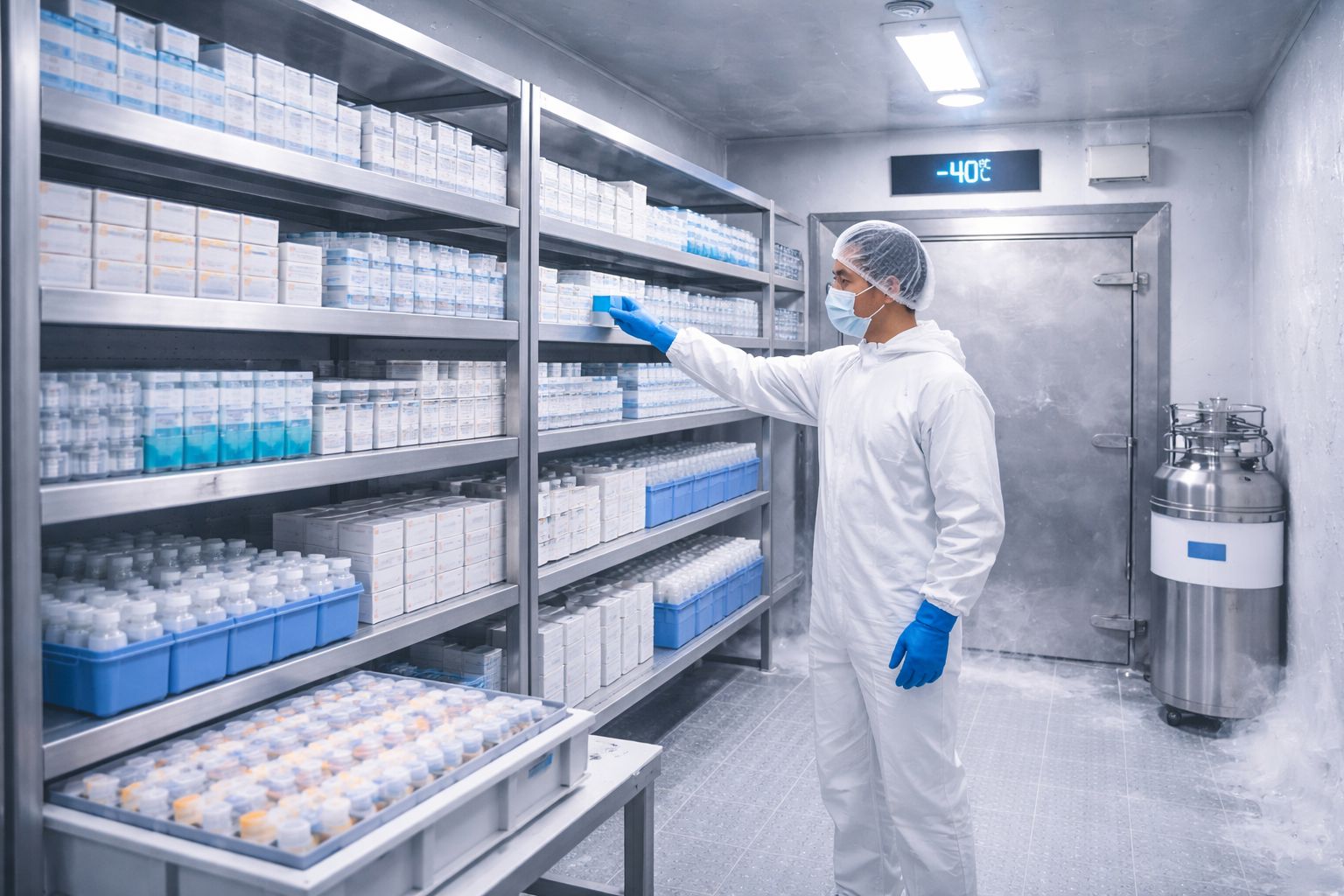
Advanced Therapy Medicinal Products, or ATMPs, are changing the way complex diseases are treated. These therapies include gene therapies, cell therapies and tissue-engineered products, many of which rely on highly sensitive biological materials. Their clinical value is significant, but their storage requirements are also far more demanding than conventional pharmaceuticals.
For ATMP manufacturers, biotech companies, research facilities and specialist storage providers, cold room construction is no longer a basic infrastructure decision. It must support strict temperature control, validated storage conditions, product traceability and long-term adaptability as therapy pipelines evolve.
This article explains how future-ready cold room construction supports ATMP storage, with a focus on gene and cell therapy storage, ultra-low freezer room adaptability, scalable infrastructure and compliance readiness.
What Are Advanced Therapy Medicinal Products?
Advanced Therapy Medicinal Products are medicines based on genes, cells or tissues. They are often used in highly specialised treatments, including personalised therapies and regenerative medicine.
Common examples include:
- Gene therapies
- Cell therapies
- CAR-T cell therapies
- Tissue-engineered products
- Viral vector-based therapies
- Other biologically derived advanced treatments
Many ATMPs are temperature-sensitive because they contain living cells, genetic material or biological components that can lose viability when exposed to unsuitable conditions. This makes cold room construction critical to product integrity and patient safety.
Why ATMP Storage Requires Specialist Cold Room Construction
Unlike many conventional medicines, ATMPs may require frozen, ultra-low or cryogenic storage. Even brief temperature excursions can affect cell viability, genetic stability or therapeutic performance. For patient-specific therapies, a storage failure may also affect a treatment that cannot be easily replaced.
ATMP cold room construction must therefore address:
- Precise temperature control
- Ultra-low and cryogenic storage compatibility
- Strict product segregation
- Chain of identity and chain of custody
- Continuous monitoring and alarm response
- Validated storage conditions
- Backup systems and redundancy
- Scalable layouts for future therapy pipelines
A future-ready cold room should protect today’s products while remaining adaptable for tomorrow’s therapies.
Designing Cold Rooms for Gene and Cell Therapy Storage
Gene and cell therapies are among the most storage-sensitive products in the pharmaceutical sector. Many depend on living cells or genetic materials that must be preserved under highly controlled conditions.
Storage requirements can vary by therapy type, formulation, container system and validated process. Common temperature ranges may include:
- Controlled refrigeration: 2°C to 8°C
- Frozen storage: around -20°C
- Ultra-low temperature storage: around -60°C to -90°C
- Cryogenic storage: below -135°C, with liquid nitrogen systems often operating at much lower temperatures
The correct storage range should always be based on the therapy’s validated requirements, stability data and regulatory documentation.
Key Design Considerations for Gene and Cell Therapy Storage
1. Cryogenic-Compatible Infrastructure
Some ATMPs require cryogenic storage using liquid nitrogen systems. Cold room construction must account for equipment placement, ventilation, oxygen monitoring, staff safety, access control and safe handling procedures.
For vapour-phase liquid nitrogen systems, the room layout should support stable storage, safe retrieval and minimal exposure during handling.
2. Strict Temperature Zoning
Different therapy types may need different temperature environments within the same facility. Separate zones help prevent handling errors, support segregation and allow each product category to remain within its required storage range.
Zoning also supports controlled workflows between receiving, quarantine, release, storage and dispatch areas.
3. Chain of Identity and Chain of Custody
Many ATMPs, especially autologous therapies, are patient-specific. This means each product must be accurately linked to the correct patient, batch and treatment pathway.
Cold room design should support:
- Clear physical segregation
- Secure access control
- Barcode or RFID-enabled tracking
- Defined storage positions
- Controlled retrieval procedures
- Audit-ready documentation
For ATMPs, traceability is not only an inventory requirement. It is part of patient safety.
4. Minimal Temperature Excursions
ATMPs can be sensitive to even short exposure outside approved conditions. Cold room construction should reduce the risk of temperature movement during access, loading, unloading and equipment maintenance.
This may include ante-rooms, controlled access zones, rapid-close doors, validated handling routes and monitoring at critical points.
Operational Example: CAR-T Cell Therapy Storage
A biotech facility producing CAR-T cell therapies may use vapour-phase liquid nitrogen storage to maintain cryogenic conditions. By designing the room around controlled access, safe LN2 handling, oxygen monitoring and short retrieval paths, the facility can reduce handling exposure and support better post-thaw product viability.
This shows how cold room construction can influence not only storage performance, but also the reliability of treatment delivery.
Ultra-Low Freezer Room Adaptability
ATMP development is changing quickly. A facility may need to support early-stage clinical trials, commercial production, viral vector storage and multiple therapy platforms at the same time.
Unlike traditional pharmaceutical storage, ATMP facilities often require multi-temperature flexibility. A single site may need controlled refrigeration, -20°C storage, -80°C storage and cryogenic capability.
Why Adaptability Matters
Adaptable freezer room construction helps facilities respond to:
- Different therapy storage requirements
- Multiple clinical trial products
- Changing production volumes
- New therapy platforms
- Short-notice storage demand
- Future regulatory expectations
A rigid cold room system can limit future capacity and create costly retrofit work.
Key Features of Adaptive Freezer Rooms
1. Modular Freezer Systems
Modular construction allows cold rooms and freezer rooms to be expanded, divided or reconfigured with less disruption than fixed infrastructure. This supports changing product pipelines and storage volumes.
2. Hybrid Cold Room Layouts
Hybrid layouts combine several controlled environments within one facility. For example, a site may include 2°C to 8°C rooms, -20°C freezer rooms, -80°C freezer areas and cryogenic storage zones with separate access controls.
3. Advanced Monitoring Systems
Real-time monitoring is essential for ATMP storage because each temperature zone may have different critical limits. Monitoring systems should support continuous data logging, alarms, escalation workflows and audit-ready reports.
4. Redundant Cooling Technologies
Redundancy helps protect high-value therapies during equipment failure, power interruption or maintenance activity. This may include backup refrigeration, standby compressors, emergency power and response procedures.
Operational Example: Multi-Therapy Storage Facility
A contract pharmaceutical manufacturer upgraded its facility with modular cold rooms that could support ultra-low freezer storage and cryogenic systems. This allowed the company to handle multiple gene therapy projects within one controlled facility while keeping product categories segregated and monitored.
The result was more flexible infrastructure that supported both current projects and future pipeline growth.
Scalable Industrial Cold Room Systems for Emerging Therapies
ATMP storage demand can change quickly as products move from research to clinical trials and then to commercial production. Cold room construction should therefore be planned for scalability from the start.
Traditional cold rooms are often designed around fixed storage capacity. For ATMPs, this can become a constraint when product pipelines expand.
Key Elements of Scalable Cold Room Design
1. Modular Panel Construction
Modular insulated panel systems make it easier to expand or reconfigure storage space as demand grows. This helps reduce the need for major reconstruction when capacity requirements change.
2. Flexible Layout Planning
Flexible layouts allow storage zones to be adjusted for different therapy types. A room initially used for clinical trial materials may later need to support larger commercial volumes or different temperature requirements.
3. Integration with Automated Systems
Automation can support safer and more consistent operations. Automated storage, retrieval support, barcode scanning and inventory systems can help reduce manual error in high-value ATMP environments.
4. Data-Driven Inventory Management
Digital inventory systems help teams track storage capacity, product location, expiry dates, chain of custody and movement history. This is especially important when handling patient-specific therapies or multiple clinical trial batches.
5. Multi-Room Redundancy
Splitting critical inventory across more than one controlled space can reduce operational risk. For high-value ATMPs, multi-room storage strategies can help avoid total loss if one room or system is affected by failure.
Operational Example: Scalable ATMP Storage Expansion
A pharmaceutical company developing several ATMP pipelines implemented scalable cold storage with modular expansion planning. As production increased, the facility added storage capacity while maintaining segregation, monitoring and controlled workflows.
This approach helped the business support clinical and commercial growth without major disruption to existing operations.
Compliance and Validation in ATMP Cold Room Construction
ATMP storage is subject to strict quality expectations. Cold rooms must support Good Manufacturing Practice, Good Distribution Practice and internal quality system requirements where applicable.
A compliance-ready cold room should support:
- Continuous temperature monitoring
- Temperature mapping and qualification
- Validated storage conditions
- Alarm testing and response records
- Secure access control
- Product segregation
- Chain-of-identity documentation
- Chain-of-custody records
- Preventive maintenance logs
- Audit trails and data integrity
For ATMP operators, compliance should be designed into the cold room from the beginning. Retrofitting documentation, monitoring or access controls later can be costly and disruptive.
Safety Considerations for Cryogenic Cold Room Areas
Cryogenic storage introduces additional safety considerations. Liquid nitrogen can displace oxygen, which means rooms using LN2 systems should be designed with ventilation, oxygen deficiency monitoring and clear emergency procedures.
Key safety features may include:
- Oxygen sensors and alarms
- Mechanical ventilation
- Safe cylinder or tank access
- Clear emergency exits
- Staff training areas
- Low-temperature PPE storage
- Defined handling routes
- Emergency response planning
Safety planning protects staff while supporting reliable ATMP storage operations.
Digital Monitoring and Data Integrity
Digital monitoring is central to future-ready ATMP cold room construction. It provides visibility over temperature performance, equipment status and storage conditions across multiple zones.
A suitable monitoring system may include:
- Temperature and humidity sensors
- LN2 level monitoring where applicable
- Door status monitoring
- Alarm escalation
- Remote alerts
- Data logging
- Audit-ready reports
- Integration with quality management systems
For pharmaceutical environments, monitoring records must be reliable, secure and easy to retrieve during audits or quality investigations.
Choosing the Right Cold Room Construction Partner for ATMP Facilities
ATMP facilities need a contractor who understands both cold room construction and the operational risks of pharmaceutical storage. The right partner should be able to plan around temperature stability, workflow, safety, monitoring, maintenance access and future scalability.
Before appointing a cold room contractor, consider whether they can support:
- Site assessment and technical planning
- Multi-temperature cold room design
- Ultra-low and cryogenic storage integration
- Insulated panel and vapour barrier specification
- Temperature mapping support
- Monitoring and alarm integration
- Redundancy planning
- Maintenance access planning
- Compliance-ready documentation
- Future expansion planning
For advanced therapies, cold room construction must be treated as critical infrastructure. It protects product quality, patient safety and long-term business continuity.
Build Future-Ready Cold Rooms for Advanced Therapy Storage
For pharmaceutical and biotech companies working with advanced therapies, a well-designed cold room is a long-term safeguard for innovation, compliance and business continuity
Kiat Lay cold room builder designs and constructs cold room systems for pharmaceutical and biotech operations that require reliable, controlled and scalable temperature environments. For ATMP storage, we focus on the details that matter: thermal stability, system redundancy, cryogenic compatibility, monitoring integration, safety planning and long-term serviceability.
Speak to Kiat Lay to plan future-ready cold room construction that protects advanced therapies, supports compliance and prepares your facility for future pharmaceutical growth.
FAQs About Cold Room Construction for ATMP Storage
1. What are ATMPs?
ATMPs are Advanced Therapy Medicinal Products based on genes, cells or tissues. They include gene therapies, cell therapies, CAR-T cell therapies and tissue-engineered products. Many require specialist cold storage because they are highly sensitive to temperature changes.
2. What temperature is required for ATMP storage?
ATMP storage temperature depends on the product type and validated storage requirements. Some products may require 2°C to 8°C storage, while others need -20°C, -80°C or cryogenic conditions below -135°C.
3. Why do ATMPs need specialist cold rooms?
ATMPs may contain living cells or genetic material that can lose viability when exposed to unsuitable conditions. Specialist cold rooms help maintain stable temperatures, support segregation, protect chain of identity and provide audit-ready monitoring.
4. What is cryogenic storage for cell therapies?
Cryogenic storage uses very low temperatures to preserve cell-based materials over time. Many systems use liquid nitrogen to maintain conditions that help reduce biological activity and protect cell viability.
5. How does cold room construction support chain of identity?
Cold room construction can support chain of identity through secure access, clearly defined storage zones, labelled positions, barcode or RFID systems, controlled retrieval routes and documented product movement.
6. What is the difference between ultra-low and cryogenic storage?
Ultra-low storage usually refers to freezer conditions around -60°C to -90°C. Cryogenic storage refers to much lower temperatures, often using liquid nitrogen systems, and may be required for long-term cell therapy preservation.
7. Why is redundancy important for ATMP cold rooms?
Redundancy protects stored therapies during equipment failure, power interruption or maintenance. Backup refrigeration, emergency power, standby equipment and alarm escalation help reduce the risk of temperature excursions.
8. Can ATMP cold rooms be expanded in the future?
Yes. Modular cold room construction allows storage areas to be expanded or reconfigured as therapy pipelines grow. This helps facilities respond to clinical trials, commercial production and changing temperature requirements.
9. What compliance requirements apply to ATMP cold rooms?
ATMP cold rooms should support GMP, GDP and internal quality requirements where applicable. This may include validated storage conditions, continuous monitoring, temperature mapping, access control, chain-of-custody records and audit trails.