


Future-Ready Cold Room Design for Luxury Hotel F&B Operations
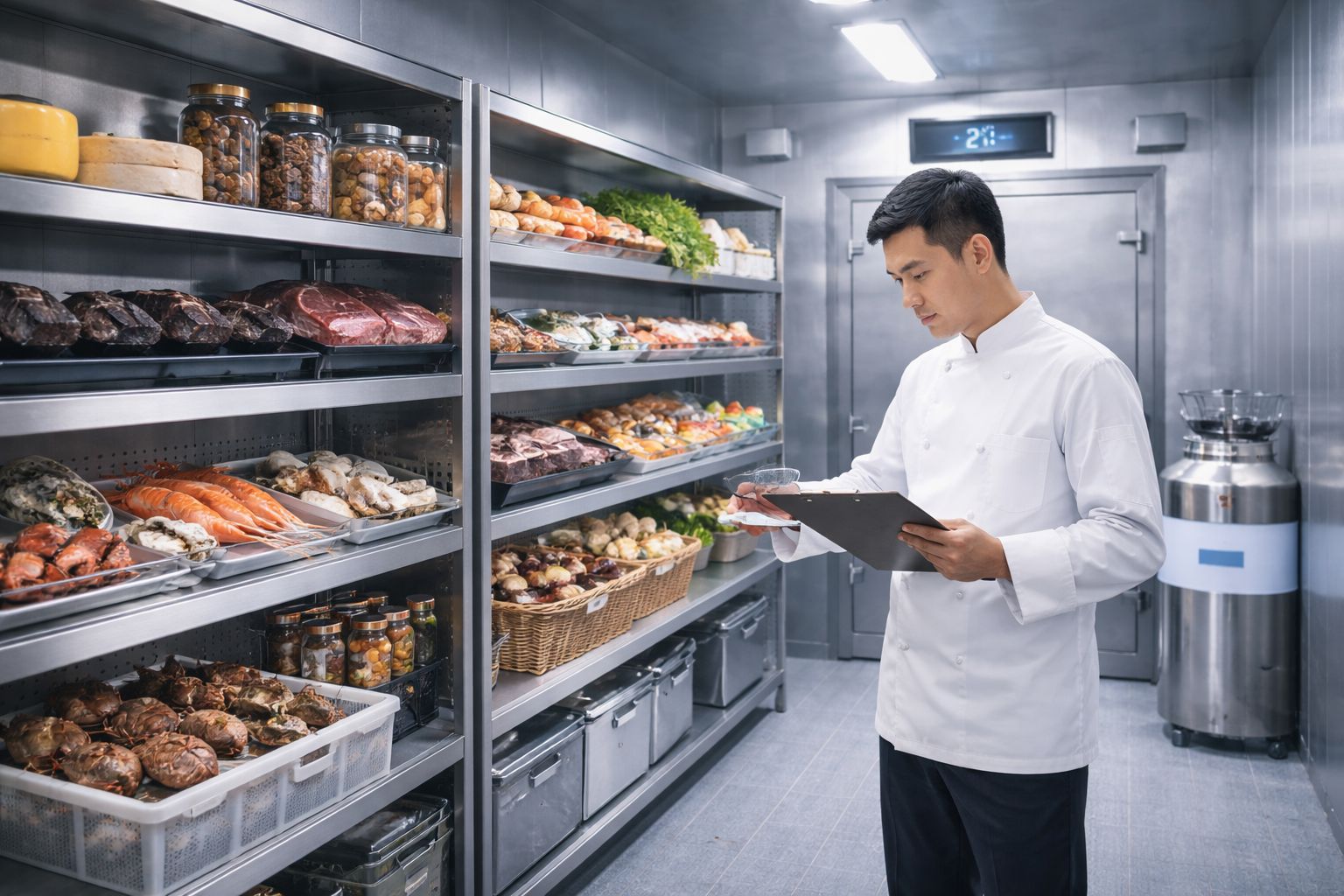
Luxury hotel F&B operations depend on consistency. Every dish, buffet line, banquet service and chef-led concept relies on ingredients arriving in the kitchen at the right quality, texture and freshness. Behind that standard is a cold room system designed to support precision, reliability and operational continuity.
For high-end hotels, cold room design is no longer only about refrigeration. It must protect premium ingredients, support complex kitchen workflows, reduce wastage and give F&B teams the flexibility to adapt as menus, dining concepts and guest expectations change.
This article explains how future-ready cold room design supports luxury hotel F&B operations, with a focus on premium ingredient storage, chef-driven layouts, long-term adaptability, energy performance and service reliability.
What Is Future-Ready Cold Room Design for Hotel F&B?
Future-ready cold room design refers to a cold storage system that is planned not only for today’s kitchen requirements, but also for future menu changes, higher service volumes, new dining concepts and sustainability goals.
For luxury hotels, this means designing cold rooms that support:
- Stable temperature and humidity control
- Separate zones for different ingredient categories
- Efficient kitchen workflow during peak service
- Hygienic, easy-to-clean finishes
- Energy-efficient operation
- Digital monitoring and alerts
- Flexible expansion or reconfiguration
- Reliable maintenance access
A well-planned cold room helps the F&B team protect quality while reducing operational friction behind the scenes.
Why Cold Room Design Matters in Luxury Hotel Kitchens
Luxury hotels handle a wide range of high-value ingredients, from fresh seafood and premium meats to imported cheeses, pastry items, seasonal produce and banquet inventory. Each product category may need different storage conditions to maintain freshness and reduce spoilage.
Poor cold room design can lead to:
- Ingredient wastage
- Temperature fluctuations
- Slower kitchen operations
- Cross-contamination risk
- Higher energy use
- Emergency breakdowns during service
- Inconsistent quality across outlets
For hotels with multiple restaurants, banquets, room service and event catering, cold room performance has a direct impact on guest experience and F&B profitability.
Designing Premium Cold Rooms for High-End Ingredients
Luxury hotel kitchens often work with delicate and expensive ingredients. Wagyu beef, oysters, live seafood, sashimi-grade fish, imported cheeses, fresh berries, herbs and truffles all require careful handling.
A standard cold room may not provide enough control for this level of ingredient sensitivity. Instead, hotels should consider multi-zone cold room design, where each category of ingredient is stored under suitable temperature and humidity conditions.
Key Storage Considerations for Premium Ingredients
1. Multi-Zone Temperature Control
Different ingredients perform best under different storage conditions. Seafood may require near-freezing temperatures, while fresh produce may need a slightly higher temperature and controlled humidity. Dairy, pastry ingredients and prepared items may also require separate zones to protect quality and food safety.
A multi-zone layout allows hotel teams to store ingredients more accurately instead of relying on one general cold room for all products.
2. Humidity Management
Humidity control is important for premium ingredients because moisture imbalance can affect texture, appearance and shelf life.
Too much moisture may encourage condensation and spoilage. Too little moisture can cause dehydration, wilting or quality loss. A future-ready cold room should be designed with the right humidity strategy based on the ingredients being stored.
3. Hygienic Materials and Finishes
Cold rooms in luxury hotels must support strict cleaning standards. Suitable features may include:
- Stainless steel shelving
- Food-grade insulated panels
- Anti-slip flooring
- Sealed joints
- Coved corners
- Washable wall and ceiling surfaces
- Easy-access drainage where required
These features help keep storage areas clean, audit-ready and suitable for high-volume F&B operations.
4. Clear Product Segregation
Premium ingredients should be organised to reduce cross-contact, odour transfer and handling confusion. Separate areas for raw proteins, seafood, dairy, produce, pastry and ready-to-use items can improve both hygiene and kitchen speed.
Example: Five-Star Hotel Cold Room Upgrade
A five-star hotel in Singapore upgraded its cold storage system to include segmented temperature zones and humidity control. The new layout allowed the culinary team to separate seafood, chilled produce and premium meats more effectively. This helped reduce ingredient wastage and improved consistency during busy service periods.
Supporting Chef-Driven Culinary Concepts
Modern luxury hotels often build their F&B identity around chef-led restaurants, seasonal menus and signature dining experiences. Cold room design should support culinary creativity without creating operational bottlenecks.
Chefs need quick access to ingredients, clear organisation and specialised storage for menu-specific requirements.
How Cold Room Layout Supports Chefs
1. Faster Access During Service
Cold rooms should be located close to kitchen preparation areas where possible. This reduces unnecessary movement, speeds up replenishment and helps staff work more efficiently during peak breakfast, lunch, dinner and banquet service.
Poor placement can slow down the kitchen and increase the number of door openings, which affects temperature stability.
2. Chef-Centric Storage Zones
Cold rooms can be designed with dedicated sections for specific culinary functions, such as:
- Premium meat storage
- Seafood holding
- Pastry and dessert ingredients
- Dairy and cheese storage
- Fresh produce
- Banquet preparation items
- Ready-to-cook mise en place
This makes storage easier to manage and helps the kitchen team maintain better control over ingredient quality.
3. Specialised Cold Storage Features
For certain hotel concepts, standard chilled rooms may not be enough. Luxury F&B teams may require dry-ageing rooms, wine storage, seafood holding areas, pastry chillers or blast chilling support.
These specialised spaces should be planned early so they integrate properly with the main kitchen workflow.
4. Lighting and Visibility
Bright, energy-efficient LED lighting improves usability inside the cold room. Good lighting helps staff identify products quickly, reduce picking errors and maintain safer working conditions without adding unnecessary heat load.
Example: Luxury Resort Steakhouse Storage
A luxury resort in Southeast Asia worked with a cold room specialist to design storage for its signature steakhouse. The system included a dedicated dry-ageing chamber and separate holding areas for different meat cuts. This gave the culinary team better control over ageing, storage and preparation quality.
Long-Term Adaptability in Hotel Cold Room Systems
Luxury hotel F&B operations change over time. New restaurants may open, banquet demand may increase, breakfast operations may expand and seasonal menus may require different ingredient volumes.
Future-ready cold rooms should be designed with this adaptability in mind. A system that works today should not become a constraint when the hotel updates its dining concepts.
Key Features of Adaptable Cold Room Design
1. Modular Cold Room Construction
Modular cold rooms allow hotels to expand, divide or reconfigure storage areas more easily. This is useful for properties that frequently update F&B concepts, introduce seasonal menus or scale banquet operations.
2. Flexible Shelving and Storage Layouts
Adjustable shelving helps teams respond to changing stock profiles. For example, a hotel may need more seafood storage during buffet promotions, more pastry space during festive seasons or more chilled beverage storage during major events.
3. Scalable Refrigeration Planning
Refrigeration capacity should be planned with future demand in mind. Undersized systems may struggle during peak periods, while oversized systems can waste energy. A well-calculated system balances performance, operating cost and future growth.
4. Smart Monitoring and Alerts
Modern cold rooms can include real-time temperature tracking, remote monitoring and alert systems. These tools help engineering and kitchen teams detect issues early, respond quickly and maintain better control over valuable inventory.
Energy Efficiency and Sustainability for Luxury Hotels
Energy efficiency is an important part of future-ready cold room design. Hotels operate cold rooms around the clock, which means inefficient systems can create significant long-term operating costs.
Energy-conscious cold room design may include:
- High-performance insulated panels
- Efficient compressors
- Proper door seals
- LED lighting
- Smart temperature controls
- Reduced air leakage
- Correct refrigeration sizing
- Preventive maintenance planning
For luxury hotel brands with sustainability goals, cold room efficiency supports both cost control and environmental responsibility without compromising food quality.
Balancing Performance, Workflow and Guest Experience
Although cold rooms are typically behind the scenes, their design affects the guest experience indirectly. When ingredients are stored well, kitchen teams can serve food with better consistency, less delay and lower wastage.
A strong cold room design should consider:
- Proximity to preparation areas
- Separate flow for raw and ready-to-use items
- Safe staff movement
- Clear storage visibility
- Noise and heat management
- Easy cleaning access
- Maintenance without major kitchen disruption
For hotels with open kitchens, chef’s tables or back-of-house tours, cold room cleanliness and professionalism can also support the wider brand image.
Digital Monitoring for Hotel Cold Rooms
Digital monitoring is especially valuable for luxury hotels because F&B operations are continuous and inventory value can be high. A temperature deviation outside operating hours can lead to significant losses if it is not detected quickly.
A monitoring system may include:
- Temperature and humidity logging
- Door opening records
- Alarm notifications
- Remote access for facilities teams
- Performance trend reports
- Maintenance alerts
These records also support food safety documentation and help hotel teams make better decisions about equipment performance, storage behaviour and preventive maintenance.
Choosing the Right Cold Room Specialist for Hotel F&B
Designing a future-ready cold room for luxury hotel F&B requires more than installation experience. The right cold room specialist should understand kitchen workflow, food safety, ingredient sensitivity, refrigeration performance and long-term service access.
Before appointing a cold room contractor, hotels should consider whether the team can support:
- Site assessment and layout planning
- Multi-zone cold room design
- Refrigeration load calculation
- Food-grade material selection
- Door and access planning
- Humidity and temperature control
- Digital monitoring integration
- Energy efficiency planning
- Maintenance access and after-sales support
For luxury hotel operations, reliability is essential. A cold room breakdown does not only affect storage. It can affect service, guest satisfaction and brand confidence.
Conclusion
Future-ready cold room design is a strategic part of luxury hotel F&B operations. It protects premium ingredients, supports chef-led concepts, improves workflow efficiency and helps hotels adapt to changing dining demands.
By planning temperature zones, humidity control, hygiene finishes, digital monitoring and future scalability from the start, hotels can build cold storage systems that perform reliably over the long term.
For luxury hotels, a well-designed cold room is more than back-of-house infrastructure. It is part of the operational foundation that allows culinary teams to deliver consistent, high-quality guest experiences.
FAQs About Cold Room Design for Luxury Hotel F&B
1. What is the best cold room design for a luxury hotel kitchen?
The best cold room design for a luxury hotel kitchen is usually a multi-zone system that separates seafood, meat, dairy, produce, pastry items and ready-to-use ingredients. It should support stable temperature control, hygiene, workflow efficiency and future menu changes.
2. Why do luxury hotels need multi-zone cold rooms?
Luxury hotels handle many ingredient categories with different storage needs. Multi-zone cold rooms help maintain suitable conditions for each category, reduce spoilage and support better food quality across restaurants, banquets and room service.
3. How does cold room design reduce food wastage?
Cold room design reduces food wastage by maintaining stable temperatures, managing humidity, improving stock organisation and reducing unnecessary door openings. Better storage conditions help ingredients last longer and retain their intended quality.
4. What temperature should hotel cold rooms be kept at?
Temperature depends on the ingredient category. Chilled food is commonly stored between 0°C and 4°C, while frozen items are typically stored at -18°C or lower. Specialist items such as dry-aged meat, seafood or pastry ingredients may require dedicated conditions.
5. How can cold rooms support chef-led restaurants?
Cold rooms support chef-led restaurants by providing organised, accessible and specialised storage for premium ingredients. Dedicated zones, dry-ageing rooms, pastry storage and clear product segregation help chefs execute complex menus more consistently.
6. What makes a hotel cold room future-ready?
A future-ready hotel cold room is flexible, energy-efficient, digitally monitored and designed for changing F&B operations. It should be easy to maintain, scalable where possible and built around the hotel’s long-term kitchen workflow.
7. Are smart monitoring systems necessary for hotel cold rooms?
Smart monitoring systems are highly useful for hotels because they provide real-time visibility of temperature, humidity and door activity. Alerts help teams respond quickly before deviations lead to food spoilage or service disruption.
8. How often should hotel cold rooms be maintained?
Hotel cold rooms should follow a preventive maintenance schedule based on usage intensity, equipment type and manufacturer recommendations. High-volume hotel kitchens may require more frequent inspections to reduce breakdown risk.