


How Cold Rooms Keep Hotel Kitchens Running Smoothly
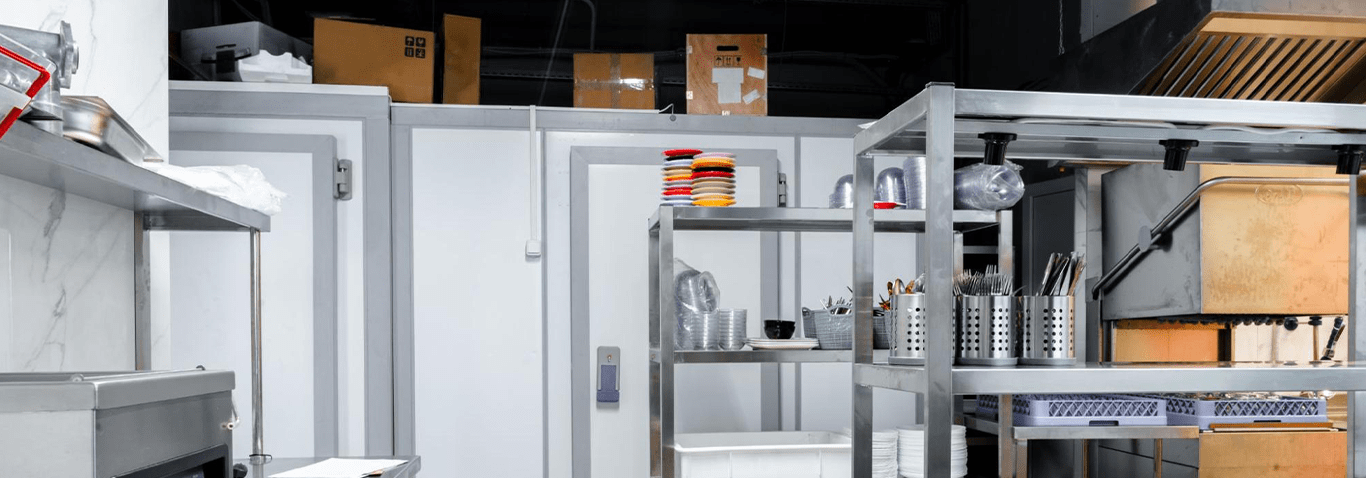
Hotel kitchens in Singapore operate at a scale far beyond typical food service outlets. With round-the-clock dining, buffets, room service, and events such as weddings or corporate banquets, hotel chefs must juggle hundreds of dishes daily. The ability to store large volumes of ingredients safely and efficiently is what keeps these operations running without interruption—and that is where cold rooms play a vital role.
A well-designed hotel kitchen cold room ensures freshness, prevents food waste, and supports streamlined workflows in high-demand kitchens. Let’s explore how cold rooms make a difference in hotel operations, and how customisation allows each property to optimise its storage.
Storing Large Volumes of Ingredients Without Compromising Freshness
Hotel kitchens require massive stockpiles of meat, seafood, vegetables, dairy, and beverages. Unlike smaller restaurants, they must plan for high variability in demand, from weekday breakfast buffets to weekend weddings with hundreds of guests.
Cold rooms provide the capacity and flexibility needed:
- Bulk storage capacity: Walk-in chillers allow hotels to receive deliveries in large quantities, reducing logistical costs and ensuring that staples like poultry, seafood, and fresh produce are always on hand.
- Preservation of quality: Proper insulation and temperature control extend shelf life, helping ingredients maintain their texture, flavour, and nutritional value.
- Separation for hygiene: Multiple zones within the cold room (for example, one for raw meat and another for fresh produce) prevent cross-contamination, which is essential in maintaining food safety standards.
Case Example:
A luxury hotel along Orchard Road redesigned its cold storage to include separate compartments for meat, seafood, and dairy. This not only improved hygiene but also sped up kitchen operations, as staff no longer wasted time navigating through crowded, mixed-storage spaces. The hotel reduced ingredient spoilage by 15% in the first six months.
How Proper Temperature Control Prevents Food Waste
Food waste is a costly issue for hotels. With so many moving parts in the kitchen, spoilage from improper storage can quickly add up. Cold rooms safeguard against this by maintaining precise temperature and humidity levels across all zones.
- Chillers (0–4°C): Chillers are perfect for vegetables, dairy, and fresh juices.
- Freezers (-18°C and below): Designed for long-term storage of meat, seafood, and frozen goods.
- Specialised temperature zones: Some hotels create wine chillers or chocolate rooms with tailored conditions to protect premium items.
Temperature monitoring systems with alarms ensure any deviation is flagged immediately, allowing quick corrective action before food quality is compromised.
Case Example:
A large hotel in Sentosa introduced IoT-enabled sensors in its walk-in chillers. The system sent real-time alerts to the engineering team if temperatures drifted even slightly outside the safe range. By preventing unnoticed fluctuations, the hotel cut down on ingredient wastage and saved thousands of dollars annually.
Streamlining Operations With Customised Cold Room Layouts
A cold room is more than just storage—it’s an integral part of the kitchen workflow. Hotels can design their cold rooms to improve efficiency, reduce staff fatigue, and shorten preparation times.
1. Zoning by Cuisine Type
International hotels often run multiple restaurants: Japanese, Italian, Chinese, or buffet dining. Custom cold room layouts can assign zones to each restaurant, ensuring that chefs have quick access to their required ingredients without confusion.
2. Racking and Shelving Systems
Adjustable shelving maximises vertical space, while pallet racks enable quick loading and unloading of bulk supplies. This prevents clutter and speeds up inventory checks.
3. Ergonomic Design
Placing high-use items at accessible heights and designing logical traffic flow reduces time wasted in searching for ingredients, especially during peak meal service hours.
Case Example:
A five-star hotel in Marina Bay restructured its cold room to align with its kitchen workflow. Ingredients were placed near the corresponding preparation stations—meat near the grill area, vegetables near the salad station. This small change reduced preparation time for banquets by 20%, helping the hotel serve large events more efficiently.
Additional Benefits of Hotel Kitchen Cold Room
Beyond storage, cold rooms bring operational and financial advantages to hotels:
- Consistency in guest experience: By ensuring ingredients are always fresh, hotels can maintain high food quality, which directly affects guest satisfaction and reviews.
- Cost savings from bulk purchasing: Larger cold rooms allow hotels to buy in bulk from suppliers, securing better pricing and reducing delivery frequency.
- Regulatory compliance: Proper cold storage is essential for passing food safety audits and meeting Singapore Food Agency (SFA) standards.
Planning for the Future
As hotel F&B operations continue to evolve with trends like plant-based dining, sustainable sourcing, and increased event catering, cold rooms must adapt too. Hotels should consider:
- Energy-efficient refrigeration systems to lower operational costs.
- Smart monitoring technologies for real-time temperature and inventory tracking.
- Modular cold rooms that can expand as demand grows.
These forward-looking investments not only improve day-to-day operations but also prepare hotels to meet rising guest expectations.
Conclusion
Cold rooms are the backbone of hotel kitchens, ensuring smooth operations by preserving freshness, preventing food waste, and supporting efficient workflows. Whether through bulk storage, precise temperature control, or customised layouts, cold rooms enable hotels to deliver consistent, high-quality dining experiences.
For hotels in Singapore’s competitive hospitality scene, partnering with an experienced cold room specialist like Kiat Lay ensures facilities are designed with both functionality and long-term value in mind. A well-planned cold room doesn’t just support the kitchen—it enhances the entire guest experience.