


How Preventive Maintenance Reduces Long Term Cold Room Costs
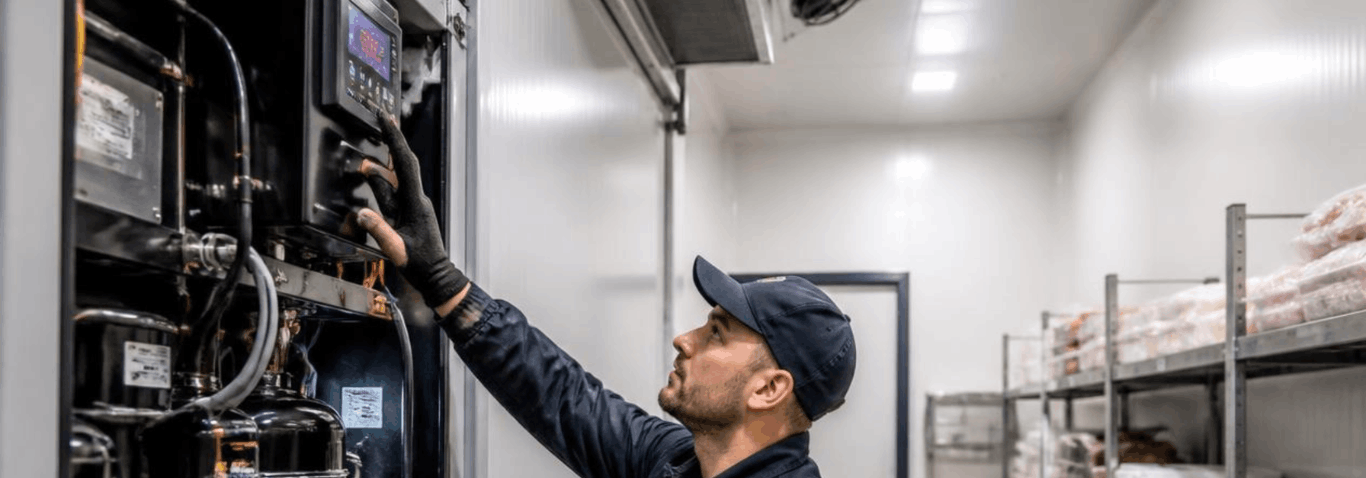
For many businesses, a cold room operates quietly in the background until something goes wrong. As long as temperatures remain stable and products are stored safely, refrigeration systems often receive little attention. Maintenance is frequently postponed in favour of more immediate operational priorities, particularly when there are no visible signs of equipment failure.
However, refrigeration systems rarely stop working without warning. Components gradually wear over time, cooling efficiency declines and small mechanical issues develop long before a major breakdown occurs. Ignoring these early signs can lead to higher repair costs, unplanned downtime and disruption to daily operations. This is why preventive cold room maintenance should be viewed as an investment rather than an operating expense. Regular servicing helps businesses detect potential issues early, maintain reliable refrigeration performance and avoid costly emergency repairs that may affect productivity and product quality.
Small Problems Rarely Stay Small
Many cold room failures begin with issues that appear insignificant. A worn door seal, a blocked evaporator coil or an unusual operating noise may not immediately affect refrigeration performance. Because the cold room continues to operate, these warning signs are often overlooked until they begin affecting system efficiency. Over time, small faults can place additional strain on compressors, increase energy consumption and reduce cooling consistency throughout the storage area. By the time temperatures become unstable, repairs are often more extensive and considerably more expensive.
Routine inspections allow technicians to identify these developing issues before they become major operational problems, reducing both repair costs and the likelihood of unexpected breakdowns.
Reliable Refrigeration Supports Business Continuity
Cold rooms are often essential to daily business operations. Food manufacturers rely on stable temperatures to protect raw materials and finished products. Hotels and restaurants need consistent refrigeration to support food preparation, while pharmaceutical facilities depend on reliable storage conditions to maintain product integrity. An unexpected refrigeration failure can interrupt production schedules, delay deliveries or result in unnecessary product losses.
Preventive maintenance reduces these risks by ensuring refrigeration equipment continues operating as intended throughout the year. Rather than reacting to equipment failures, businesses can schedule servicing at convenient times that minimise operational disruption.
Businesses looking to maximise the lifespan of their refrigeration systems may also benefit from understanding the common warning signs that indicate a cold room requires professional attention before minor issues develop into costly repairs.
Preventive Maintenance Improves More Than Equipment Performance
The benefits of preventive maintenance extend beyond refrigeration components. Well maintained cold rooms often operate more efficiently, making it easier to maintain stable temperatures while reducing unnecessary energy consumption. Regular servicing also allows businesses to review insulation, door operation, airflow and drainage systems that contribute to overall refrigeration performance. A comprehensive maintenance programme considers the cold room as a complete system rather than focusing only on individual mechanical components.
|
Maintenance Activity |
Long Term Benefit |
|
Inspecting door seals |
Reduces cold air loss |
|
Cleaning evaporator coils |
Improves cooling efficiency |
|
Checking refrigerant performance |
Supports consistent temperatures |
|
Inspecting electrical components |
Reduces risk of unexpected failures |
|
Testing control systems |
Improves operational reliability |
Maintenance Planning Should Reflect Operational Demands
Not every business requires the same maintenance schedule. A pharmaceutical cold room operating continuously throughout the year may require more frequent inspections than a refrigerated storage area used only for seasonal inventory. Likewise, facilities with frequent door openings or high daily product movement may experience greater wear than lower activity environments.
Instead of adopting a standard maintenance interval, businesses should consider factors such as operating hours, refrigeration load, environmental conditions and equipment age.
Developing a maintenance plan around actual operating conditions often delivers better long term performance while allowing maintenance resources to be used more effectively.
Downtime Often Costs More Than the Repair Itself
When a cold room stops operating unexpectedly, the cost of repairing the equipment is only part of the problem. Businesses may also face production delays, interrupted deliveries, additional labour costs and potential product losses. For food manufacturers and hospitality businesses, even a short period of refrigeration downtime can disrupt daily operations and affect customer commitments. In pharmaceutical environments, maintaining the required storage temperature is equally critical to preserving product quality.
Preventive maintenance helps reduce these risks by identifying worn components before they fail. Planned servicing can usually be scheduled outside peak operating hours, allowing businesses to minimise disruption while maintaining confidence in their refrigeration systems.
Rather than responding to emergencies, businesses can take a proactive approach that supports more predictable operations throughout the year.
Energy Efficiency Is Closely Linked to Maintenance
Energy consumption is one of the ongoing operating costs associated with commercial refrigeration. As refrigeration equipment ages, components that are not properly maintained may gradually become less efficient. Dirty evaporator coils, damaged door seals, incorrect refrigerant levels or poorly performing fans can all increase the workload on the refrigeration system.
Although these issues may not immediately cause equipment failure, they can contribute to higher electricity consumption over time.
Regular servicing helps refrigeration systems operate closer to their intended performance, allowing businesses to maintain reliable cooling while avoiding unnecessary energy costs. For facilities operating multiple cold rooms, these improvements can make a noticeable difference to long term operating expenses.
Maintenance Records Help Businesses Make Better Decisions
An effective maintenance programme is not limited to physical inspections. Keeping accurate service records allows businesses to identify recurring issues, monitor equipment performance and plan future maintenance more effectively. Maintenance history also provides valuable information when evaluating whether a component should be repaired, replaced or upgraded.
Over time, these records help facility managers make informed decisions based on equipment performance rather than reacting only when problems occur. This proactive approach supports better budgeting, improves asset management and contributes to a longer operational lifespan for refrigeration systems.
Commercial refrigeration systems represent a significant long term investment. Regular preventive maintenance helps protect that investment by reducing unnecessary wear on critical components and allowing equipment to operate under optimal conditions. Compressors, fans, condensers and control systems that receive routine servicing are generally less likely to experience premature failures, allowing businesses to maximise the lifespan of their cold room while reducing the need for costly replacements or major system upgrades.
Supporting Long Term Refrigeration Performance
Preventive maintenance is one of the simplest ways to protect the performance and lifespan of a commercial cold room.
Kiat Lay provides Cool Room Repair and Cold Room Maintenance Services in Singapore to help businesses maintain reliable refrigeration performance throughout the year. Scheduled inspections, preventive servicing and timely repairs help reduce the risk of unexpected equipment failures while supporting stable operating conditions.
For businesses planning to replace ageing refrigeration systems or expand their storage capacity, Kiat Lay also provides Custom Cold Room solutions that are designed according to operational requirements, available space and future business growth. Integrating thoughtful design with ongoing maintenance allows businesses to maximise the value of their refrigeration investment over the long term.
Conclusion
Preventive cold room maintenance is not simply about avoiding equipment breakdowns. It is a practical strategy for protecting product quality, reducing operating costs and maintaining business continuity.
By identifying small issues early, improving energy efficiency and implementing a maintenance programme that reflects operational demands, businesses can extend the lifespan of their refrigeration systems while reducing the likelihood of unexpected downtime.
Whether your facility requires routine servicing, emergency repairs or a customized refrigeration solution, contact Kiat Lay to discuss how the right maintenance strategy can support your business for years to come.