


How Hotel Kitchens Can Improve Cold Storage Efficiency
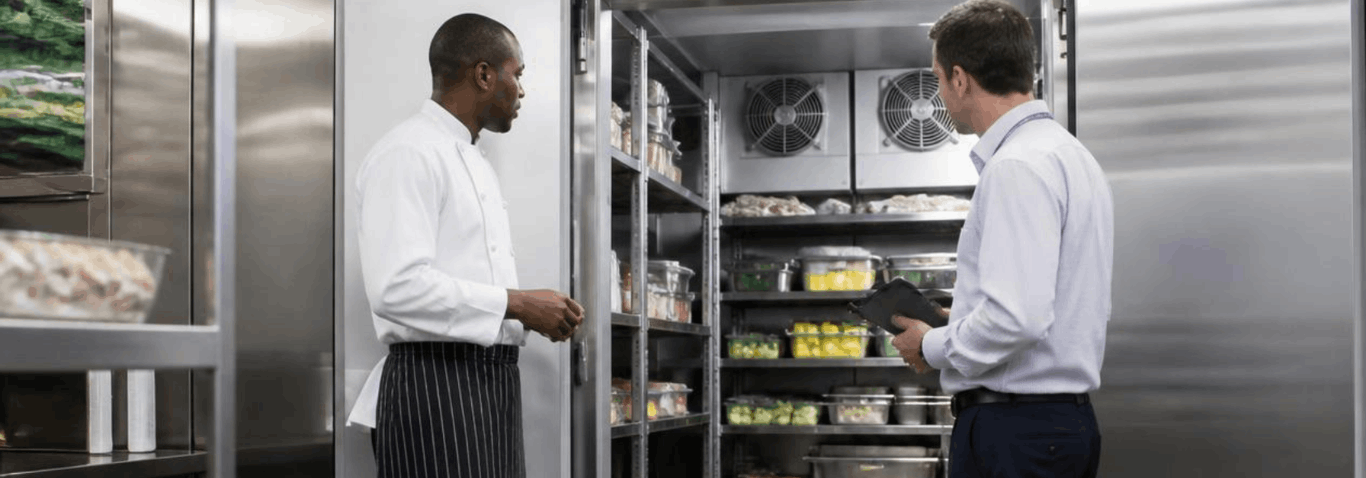
Hotel kitchens rarely experience the same working day twice. Breakfast preparation may begin before sunrise, conference catering can create sudden spikes in demand and evening restaurant service often requires multiple teams to access refrigerated ingredients simultaneously. Throughout the day, ingredients are constantly moving between receiving areas, preparation stations, refrigerated storage and kitchen workspaces.
In this environment, an inefficient cold room can quickly become more than just a storage issue. Delays in retrieving ingredients, congested access routes or poor organisation may interrupt kitchen workflows during the busiest service periods.
Improving hotel cold storage efficiency is therefore not simply about increasing storage capacity. It involves designing a refrigerated environment that supports the pace and complexity of hospitality operations.
Businesses planning hospitality refrigeration systems may also find it useful to understand the broader principles of commercial cold room planning.
Every Kitchen Has Its Own Operational Rhythm
Unlike warehouses that often follow predictable inventory movements, hotel kitchens operate around guest demand. Fresh ingredients may arrive several times each day, while different departments such as restaurants, banquet services and room service all rely on the same cold storage facility.
An effective cold room should accommodate these changing patterns instead of forcing staff to compete for access during peak periods.
Before planning improvements, it is useful to observe:
- when the cold room experiences the highest traffic
- which ingredients are accessed most frequently
- whether products are organised according to kitchen workflows
- how much time staff spend retrieving items during service
These observations often identify operational improvements that require minimal structural changes.
Organisation Can Be More Valuable Than Additional Space
When hotel kitchens experience storage challenges, expanding the cold room is often the first solution considered. However, limited capacity is not always the underlying issue.
Poor product zoning, inconsistent shelving arrangements and unclear inventory organisation can make even a spacious cold room feel overcrowded. A more organised layout enables kitchen teams to locate ingredients quickly while supporting stock rotation and reducing unnecessary handling.
|
Common Challenge |
Operational Impact |
Possible Improvement |
|
Mixed ingredient categories |
Longer retrieval times |
Create dedicated storage zones |
|
Frequently used products stored at the rear |
Staff travel increases |
Relocate high-use inventory |
|
Inconsistent shelving |
Slower stock organisation |
Standardise storage locations |
|
Congested access during service |
Workflow interruptions |
Improve circulation routes |
Efficient Cold Storage Supports Faster Kitchen Service
During busy meal periods, kitchen teams often have only a few moments to retrieve ingredients before moving on to food preparation.
If chefs and kitchen assistants need to search through overcrowded shelving or wait for access to the cold room, valuable time is lost. While these interruptions may only last a minute or two, they can quickly accumulate during breakfast buffets, banquet preparation or dinner service.
Creating dedicated storage areas for dairy products, fresh produce, meat, seafood and prepared ingredients allows staff to work more efficiently while reducing unnecessary movement inside the cold room.
Rather than treating refrigerated storage as a separate function, successful hotels integrate it into the overall kitchen workflow.
Temperature Zones Matter More Than Many Businesses Realise
Hotels rarely store just one type of product. Fresh vegetables, dairy products, beverages, desserts and frozen ingredients may all require different storage conditions. Housing everything within the same area can make temperature management more challenging and may affect both food quality and operational efficiency.
Instead, businesses should consider whether separate temperature zones or dedicated cold rooms would better support their daily operations. The right approach depends on factors such as menu variety, purchasing frequency and the volume of ingredients handled each day.
Planning Tip: Temperature zoning is not only about food preservation. It also helps kitchen teams organise inventory more effectively and retrieve products with greater speed during service.
Signs Your Hotel Cold Room May Need an Upgrade
Rather than waiting for equipment failures or operational disruptions, hotel operators should regularly review whether their cold storage continues to support current business requirements.
Some common indicators include:
- Kitchen staff regularly experience delays when retrieving ingredients.
- Storage areas become overcrowded during peak seasons.
- New menu items require additional refrigerated space.
- Inventory organisation becomes increasingly difficult despite good housekeeping practices.
- Existing layouts no longer support current kitchen workflows.
These signs do not always mean a larger cold room is required. In many cases, redesigning the layout or improving storage organisation can deliver meaningful operational improvements.
Cold Storage Should Evolve with Hotel Operations
Hotels continuously adapt to changing guest expectations. Seasonal promotions, banquet events, restaurant renovations and menu updates all influence how refrigerated storage is used.
For this reason, cold room planning should not be viewed as a one-time investment. Reviewing storage requirements periodically helps ensure the facility continues to support efficient kitchen operations as the business evolves.
Working with an experienced cold room specialist during renovation or expansion projects also provides an opportunity to optimise layouts, improve accessibility and prepare for future operational needs. Whether you are upgrading a hotel kitchen or planning a new hospitality facility, a tailored cold room solution can help improve workflow, maximise storage efficiency and support consistent food service operations.
Peak Service Hours Reveal the Real Efficiency of a Cold Room
The effectiveness of a hotel cold room is often measured during its busiest periods rather than during normal operations. Breakfast service, wedding banquets and large corporate events place significant pressure on kitchen teams. During these times, multiple staff members may need to access refrigerated ingredients simultaneously while maintaining preparation schedules.
If the cold room becomes congested, delays can quickly spread across the kitchen. Waiting for access, moving products to reach frequently used ingredients or navigating narrow aisles may only add seconds to each task, but these small interruptions accumulate throughout a busy service.
When reviewing cold storage efficiency, businesses should observe how the facility performs during peak operating hours rather than quieter periods. This provides a more accurate understanding of whether the current layout genuinely supports kitchen operations.
Design improvements that reduce congestion during these high demand periods often deliver noticeable operational benefits throughout the rest of the day.
Inventory Rotation Plays an Important Role in Operational Efficiency
Efficient cold storage is not solely about where products are placed. It is equally important to consider how inventory moves through the facility over time. Hotels receive fresh deliveries regularly, making consistent stock rotation essential for maintaining ingredient quality and reducing unnecessary waste. A cold room that makes older inventory difficult to access may unintentionally encourage staff to use newly delivered products first, creating avoidable operational challenges.
Designing shelving arrangements that support clear inventory rotation allows kitchen teams to follow established food handling procedures more consistently while reducing the time spent searching for specific ingredients.
Regular reviews of storage organizations can also identify opportunities to improve efficiency as menus change or seasonal demand fluctuates.
Hotels regularly review their kitchen layouts to improve operational efficiency, especially when expanding dining capacity or renovating food preparation areas. Cold storage should be reviewed as part of the same process to ensure it continues supporting kitchen workflows and changing business requirements.
Kiat Lay provides Central Kitchen Renovation services for businesses planning new kitchens or upgrading existing food preparation facilities. By integrating cold room planning into the overall kitchen layout, businesses can create more efficient workflows while making better use of available space.
For hotels and commercial kitchens that require reliable refrigerated storage, Kiat Lay also designs and installs Walk In Cold Rooms that are tailored to operational requirements, helping maintain consistent temperature control while supporting efficient food handling and daily kitchen operations.
Conclusion
Improving hotel cold storage efficiency is about creating a refrigerated environment that supports the pace of modern hospitality operations. An organised layout, appropriate temperature zoning and efficient product flow can help kitchen teams work more effectively while maintaining food quality and service standards.
By reviewing how ingredients move through the kitchen and ensuring cold storage aligns with operational demands, hotels can build a more efficient and adaptable food service environment.
If you are planning a new hotel kitchen, renovating an existing facility or upgrading your refrigeration system, contact Kiat Lay or request a consultation to explore a solution tailored to your operational requirements.