


Is It Time to Upgrade Your Food Manufacturing Cold Room?
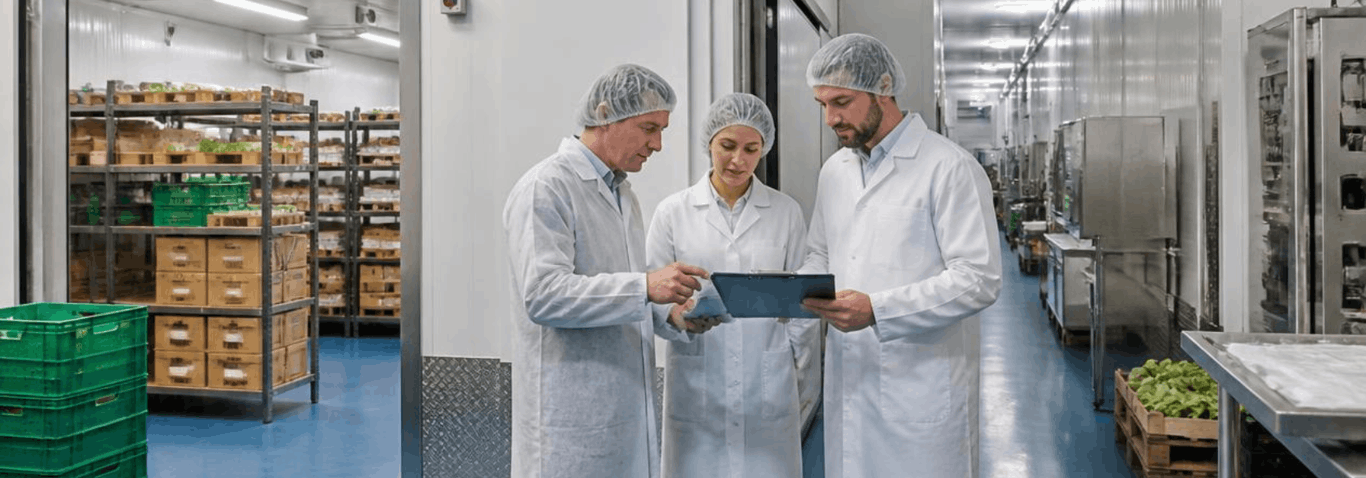
Cold room upgrades rarely begin because refrigeration equipment has completely failed. In many food manufacturing facilities, the need for an upgrade becomes apparent when production expands faster than refrigerated storage can support. Additional product lines, higher daily output and evolving food safety requirements gradually place greater pressure on facilities that were originally designed for smaller operations. While the cold room may still be functioning, it often becomes an operational bottleneck that limits efficiency rather than supporting it.
In practice, production constraints are not always caused by insufficient storage capacity alone. Recurring maintenance issues, inconsistent temperatures and ageing refrigeration components often indicate that the facility is approaching the limits of its original design. For facilities relying on a walk-in cooler, these issues may also signal the need for additional storage capacity or improved temperature control. Recognising these early warning signs of cold room performance issues allows manufacturers to plan upgrades before unexpected downtime begins affecting production schedules, product quality and customer commitments.
Unlike a new cold room installation, upgrading an existing facility introduces additional challenges. Construction activities must be coordinated around production schedules, hygiene requirements and ongoing business operations. A successful food manufacturing cold room upgrade therefore depends not only on selecting the right refrigeration solution, but also on careful project planning that keeps the factory operating safely throughout the upgrade process.
When Production Growth Starts Outpacing Cold Storage Capacity
One of the earliest indicators that a cold room requires upgrading is not equipment failure, but changing production demands. A manufacturer that previously produced a limited range of products may introduce additional stock keeping units, expand into export markets or increase daily production volumes to meet growing customer demand. Although these developments support business growth, they also increase pressure on refrigerated ingredient storage, work-in-progress holding areas and finished goods capacity.
Consider a ready to eat meal manufacturer adding a second production line. The original cold room may have been designed to accommodate raw ingredients and finished products for a single production schedule. As output increases, pallets begin occupying temporary staging areas, product movement becomes less efficient and staff spend more time relocating inventory simply to create available space.
In situations like these, the challenge is often workflow rather than refrigeration performance alone. Upgrading the cold room provides an opportunity to redesign storage layouts, improve product segregation and create a more efficient movement of goods throughout the production process.
Upgrading Without Interrupting Production
Unlike warehouse facilities that can sometimes pause operations during renovation, food manufacturers often need production to continue throughout the upgrade process. Stopping production for several weeks may disrupt supply agreements, delay customer orders and increase operational costs. As a result, many successful upgrade projects are completed in carefully planned phases rather than through a complete shutdown.
A phased approach may involve constructing temporary refrigerated storage, upgrading one section of the cold room at a time or scheduling installation work outside peak production hours. Separating construction activities from active production zones also helps reduce contamination risks while allowing manufacturing operations to continue with minimal disruption. Early coordination between production managers, refrigeration specialists and project teams is essential. Aligning construction schedules with manufacturing activities allows upgrades to progress safely while maintaining product quality and delivery commitments.
Prioritising the Right Upgrades When Budgets Are Limited
Not every upgrade project requires a complete replacement of the existing cold room. In many cases, businesses achieve significant operational improvements by focusing investment on components that have the greatest impact on efficiency and reliability. Rather than replacing equipment that continues to perform well, manufacturers should evaluate which areas create the largest operational constraints. For example, damaged insulation panels may increase energy consumption, while aging cold room doors can allow unnecessary heat gain through frequent opening and closing. Similarly, outdated monitoring systems may no longer provide the level of temperature visibility required for modern food manufacturing operations.
Prioritising these improvements allows businesses to maximise the value of their investment while preparing the facility for future expansion instead of committing to unnecessary replacement work.
Preparing Your Team Before the Upgrade Begins
Even the best upgrade plan can encounter delays if operational teams are not involved early in the project. Production supervisors, quality assurance personnel, warehouse staff and maintenance teams each have different responsibilities during a cold room upgrade, making early coordination essential. Before construction starts, businesses should establish clear communication on temporary workflow changes, product relocation plans and access restrictions within the factory. Staff responsible for temperature monitoring should also understand how products will be stored throughout each stage of the upgrade to ensure food safety requirements continue to be met.
Operator training should not be overlooked after the upgraded cold room is commissioned. Introducing new refrigeration controls, monitoring systems or revised storage layouts may require updated operating procedures so that employees can use the facility efficiently from the first day of operation.
Food Safety Should Never Be an Afterthought
Production continuity is only one part of a successful upgrade. Food safety must remain equally protected throughout the project, particularly when construction work takes place inside an operating manufacturing facility. Renovation activities can introduce additional risks if they are not carefully managed. Dust generated during panel replacement, temporary changes to workflow or the movement of contractors within production areas may all affect hygiene standards if appropriate controls are not implemented. For manufacturers operating under HACCP programmes or customer audit requirements, these risks should be evaluated before work begins rather than addressed after construction has started.
One practical approach is to separate construction and production zones through temporary barriers while scheduling higher-risk installation work outside manufacturing hours. Product movement, sanitation procedures and temperature monitoring should also be reviewed regularly throughout the project to ensure food safety standards remain uncompromised from start to finish.
Designing the Upgrade for the Next Stage of Growth
A cold room upgrade should solve today’s operational challenges while preparing the facility for tomorrow’s production requirements. Many upgrade projects focus only on increasing storage capacity. However, production growth often creates new operational demands that extend beyond additional refrigerated space. Future expansion may require dedicated ingredient storage, separate temperature zones for different product categories or improved product flow between processing, packing and dispatch.
For example, a manufacturer planning to introduce frozen product lines alongside chilled products may benefit from designing flexible storage areas that can accommodate different operating temperatures without requiring another major renovation in just a few years. Considering automation, digital temperature monitoring and future refrigeration loads during the upgrade phase also helps reduce the cost and complexity of later expansion projects. Looking beyond immediate production requirements allows manufacturers to maximise the return on their investment while building greater flexibility into future operations.
A Successful Upgrade Depends on More Than New Equipment
Replacing refrigeration equipment alone does not guarantee better operational performance. The greatest improvements are often achieved when refrigeration design, workflow planning and production requirements are considered together as part of a single upgrade strategy.
Kiat Lay works with food manufacturers to develop Industrial Cold Rooms that support changing production demands while improving operational efficiency. Where existing facilities require ongoing servicing before or after an upgrade, Kiat Lay’s cold room repair & maintenance services help businesses maintain reliable refrigeration performance and reduce the risk of unexpected operational disruptions.
Conclusion
A food manufacturing cold room upgrade should be viewed as an opportunity to improve far more than refrigeration capacity. With careful planning, manufacturers can optimize product flow, strengthen food safety practices and prepare their facilities for future production growth without unnecessary disruption to daily operations.
Rather than waiting until ageing infrastructure begins affecting productivity, planning upgrades around operational requirements allows businesses to invest strategically while maintaining production continuity.
Contact us today to discuss your food manufacturing cold room upgrade, or request a consultation with the Kiat Lay team to develop a solution tailored to your production processes, facility layout and long term business goals.