


Pharmaceutical Cold Room Storage for Hormone and Endocrine Therapies
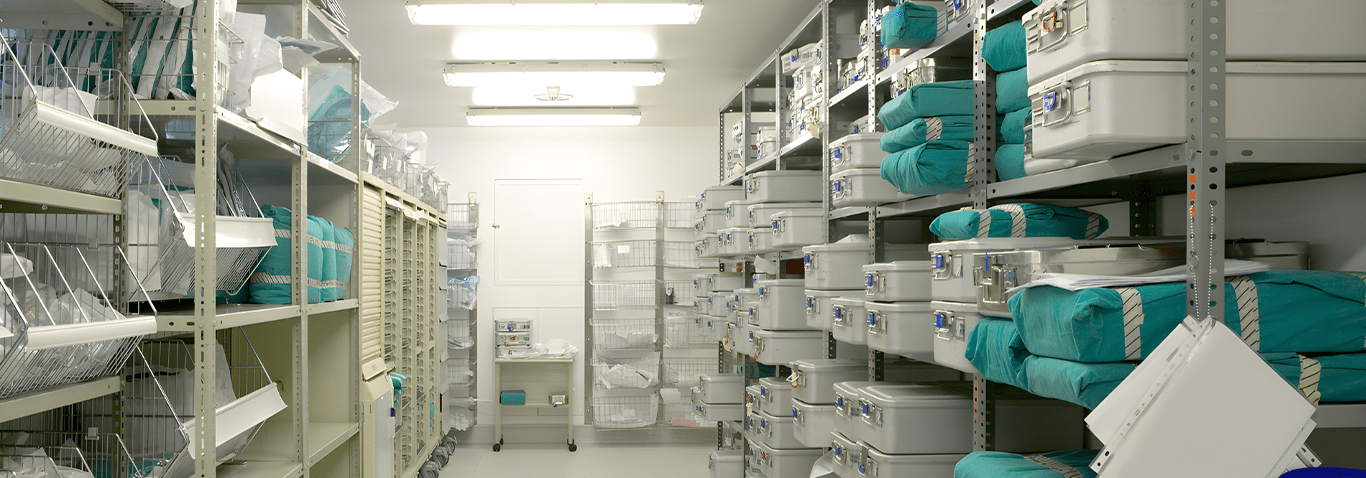
In the world of pharmaceutical logistics, few products demand more careful temperature management than hormone and endocrine therapies. Medications such as insulin, growth hormones, and fertility drugs are highly temperature-sensitive, requiring precise cold room storage solutions to preserve efficacy and patient safety. Whether distributed to hospitals, clinics, or direct-to-patient platforms, the role of temperature-controlled environments in hormone drug handling cannot be overstated.
This article explores how pharmaceutical cold room storage must be adapted to the unique requirements of hormonal therapies—from selecting between freezer and walk-in chiller setups, to packaging safeguards and layout decisions that reduce the risk of temperature excursions.
The Temperature Sensitivity of Hormonal Medications
Hormone-based therapies are biologically derived and often fragile by nature. For example:
- Insulin must be stored between 2°C and 8°C. Exposure to temperatures above 30°C or freezing can denature the protein, rendering it ineffective.
- Human Growth Hormone (hGH) typically requires refrigeration at 2°C to 8°C, but some formulations may tolerate room temperature for short durations only.
- Fertility treatments like gonadotropins (FSH, LH) or hCG are especially vulnerable to heat and light, with narrow stability windows.
Failure to maintain proper storage can result in diminished potency or complete loss of therapeutic effect, leading to potential health complications for patients. This makes cold room infrastructure not just a convenience—but a regulatory and ethical necessity.
Choosing Between Freezer Rooms and Walk-In Chillers
When it comes to cold room design for hormone therapies, selecting the right storage environment depends on product formulation and shelf-life requirements:
Walk-In Chillers (2°C to 8°C)
- Ideal for insulin, growth hormones, and fertility injectables that require refrigerated storage.
- Allows frequent access with minimal risk of temperature fluctuation.
- Suitable for central hospital pharmacies and distributor depots where high-turnover inventory is common.
Freezer Rooms (-20°C or lower)
- Reserved for select hormonal products requiring frozen storage, such as some long-term fertility drugs or specialty biologics.
- Requires robust insulation, defrost management, and backup systems to prevent product spoilage during power disruptions.
Hybrid Configurations
Many pharmaceutical cold rooms now feature zoned storage, where a walk-in chiller and deep freezer compartments coexist in the same facility—each with independent temperature controls. This allows pharmacies and wholesalers to store different hormone therapies within the same logistics hub efficiently.
Coldroom Layouts to Prevent Temperature Excursions
Maintaining tight temperature control goes beyond the room’s cooling system—it’s also about smart layout and workflow design.
Examples of Good Practices:
- Staging zones outside the cold room to prevent doors from remaining open during stock rotation.
- Temperature buffering shelves (non-metallic, ventilated) that reduce localized hot or cold spots.
- Minimal obstruction around airflow vents to ensure uniform cooling.
To illustrate, a regional pharmaceutical distributor in Singapore upgraded their walk-in chiller setup to include motion-sensor air curtains and auto-closing doors. This reduced ambient air infiltration by 35%, ensuring temperature stability even during busy pick-pack cycles.
Packaging Strategies for Hormone Drug Protection
Temperature-sensitive drugs are only as safe as their last mile handling. For hormone therapies, packaging plays a frontline role in shielding medications from thermal excursions.
Key Considerations:
- Validated insulated boxes with phase change materials (PCM) that maintain 2°C–8°C during transit.
- Digital temperature loggers inside each package to provide shipment traceability and proof of cold chain integrity.
- Tamper-evident seals and humidity controls to protect biologics from contamination.
A case study from a fertility clinic chain in Malaysia demonstrated the value of active packaging. By switching from passive foam-based coolers to reusable vacuum-insulated panels with embedded loggers, they reported a 90% reduction in cold chain violations during cross-border deliveries.
Staff Training and Handling Protocols
Storing hormonal medications also means training staff on best handling practices—especially since many hormone therapies are high-value and low-volume, making every vial critical.
- Cold chain SOPs must include clear guidance on unpacking, logging, restocking, and emergency handling in case of temperature breach.
- Staff should be trained in GMP-compliant handling, proper PPE use, and understanding coldroom alarm responses.
In Singapore, healthcare distributors working with endocrine therapies are required to comply with the Health Sciences Authority (HSA) Good Distribution Practice (GDP) standards, which outline temperature monitoring, documentation, and corrective action protocols.
Building in Redundancy and Risk Mitigation
Given the high stakes associated with hormonal therapies, redundancy systems are non-negotiable.
- Backup chillers and power generators should be in place to protect coldroom stock during blackouts.
- Remote temperature monitoring systems with real-time alerts can help respond to malfunctions before product quality is affected.
- For mission-critical storage (e.g., hospital fertility units), dual-compartment cold rooms with failover refrigeration circuits ensure no single point of failure.
Conclusion: Coldroom Design as a Therapeutic Enabler
As demand for hormone and endocrine therapies continues to rise—driven by increasing rates of diabetes, fertility treatments, and personalized medicine—the role of pharmaceutical coldrooms becomes more important than ever.
Kiat Lay’s expertise in designing GMP-compliant cold storage environments ensures that hormonal medications are protected at every step of the supply chain. From precise chiller installations and smart layout planning to 24/7 monitoring systems, the right coldroom infrastructure is not just about compliance—it’s about safeguarding patient health.
To learn how Kiat Lay can support your hormone therapy storage needs, visit www.kiatlay.com.sg.