


Planning Cold Rooms for Bonded Logistics Facilities
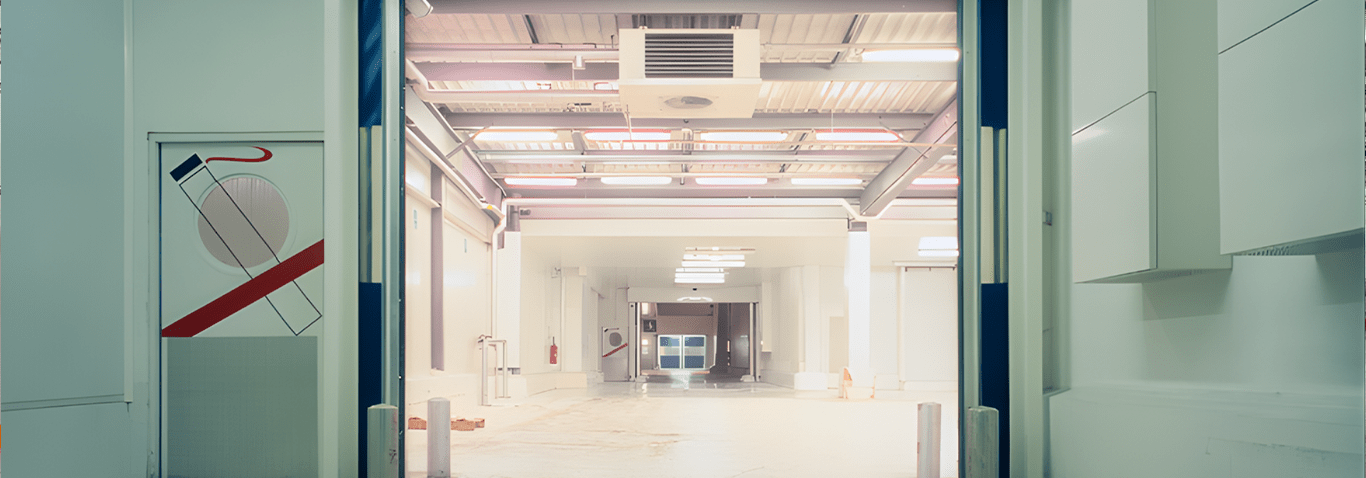
Bonded logistics facilities play a critical role in Singapore’s trade ecosystem, offering secure, customs-controlled storage for imported goods that have yet to clear duties or taxes. When those goods are temperature-sensitive — from pharmaceuticals to premium seafood — cold rooms within bonded logistic facilities and warehouses must meet stringent regulatory, operational, and security standards.
Designing and managing these environments goes far beyond maintaining temperature. It’s about ensuring compliance with customs requirements, protecting high-value inventory, and enabling smooth inspections — all while maintaining optimal cold chain integrity.
1. Meeting Compliance Requirements for Customs-Controlled Storage
Operating within a bonded zone means adhering to strict rules governed by Singapore Customs. Every movement of goods must be traceable, and every access point must be secured and logged. When refrigeration is added to the equation, the compliance framework becomes even more complex.
For cold rooms in bonded logistics facilities, compliance covers:
- Customs access control – ensuring that only authorised personnel can enter temperature-controlled areas through secure biometric or RFID systems.
- Digital inventory traceability – integrating temperature logs and product movement data into warehouse management systems approved by customs authorities.
- Audit-ready data – maintaining detailed temperature and access records for every batch, ready for customs or Health Sciences Authority (HSA) review.
A practical example comes from a pharmaceutical importer operating in Jurong’s Free Trade Zone, which installed an integrated monitoring system linking cold room temperature data directly to its customs documentation portal. This allowed authorities to verify environmental conditions remotely, reducing inspection time and ensuring full regulatory transparency.
2. Strengthening Security Systems for High-Value Temperature-Sensitive Goods
Bonded warehouses often handle products with high monetary or strategic value — vaccines, specialty foods, cosmetics, and biologics. Cold rooms in such settings require multi-layered security systems that protect goods from both environmental and physical risks.
Key security design elements include:
- Dual verification access points – combining ID badges with biometric scans for entry.
- 24/7 video surveillance with AI motion detection that can identify unusual movement or door openings.
- Tamper-proof data logging to prevent manual edits to temperature or access records.
- Segregated storage zones for products with different regulatory classifications or duty statuses.
In one case, a global biotech company storing biologics in a bonded facility near Changi worked with Kiat Lay to build a GMP-compliant cold room with dual-door vestibules and real-time surveillance integration. The system linked directly to the client’s ERP platform, ensuring that both logistics teams and customs officials could access verified environmental data without manual intervention.
The result was not only enhanced product safety but also improved inspection confidence — a critical factor in bonded environments where compliance lapses could lead to costly penalties.
3. Streamlining Inspections While Maintaining Temperature Integrity
One of the main challenges in bonded facilities is facilitating frequent inspections without compromising temperature control. Customs officers and QA inspectors must verify cargo status, yet prolonged door openings can disrupt the cold chain.
Modern cold room designs address this challenge through:
- Pre-inspection ante-chambers – buffer zones that allow short-term staging of goods for customs checks without exposing the main cold room to ambient air.
- Rapid roll-up or automated sliding doors that minimize air exchange during entry and exit.
- IoT-enabled environmental monitoring that records temperature fluctuations during inspection and automatically restores optimal conditions.
- Smart lighting and occupancy sensors to reduce unnecessary energy use when inspection areas are vacant.
For example, a regional bonded logistics hub handling frozen seafood and nutraceuticals adopted these design elements. With rapid-door systems and strategically placed inspection chambers, the facility reduced temperature deviations by 80% during routine customs checks — ensuring both operational efficiency and regulatory satisfaction.
4. Integrating Customs and Cold Chain Technologies
Today’s bonded cold rooms are increasingly integrated with customs-compliant digital systems that automate documentation, traceability, and audit readiness. Through IoT networks, every pallet’s temperature and location can be monitored and linked to its customs declaration in real time.
Such integration offers multiple benefits:
- Faster clearance times thanks to digital visibility.
- Reduced manual paperwork and fewer human errors.
- Improved coordination between warehouse operators, freight forwarders, and customs officers.
Kiat Lay’s collaboration with logistics technology providers has enabled bonded cold room clients to connect environmental monitoring systems directly to customs-approved warehouse management platforms. This not only streamlines operations but also positions the facility for future compliance requirements involving digital trade documentation.
5. The Role of Kiat Lay in Bonded Facility Cold Room Design
Designing for bonded cold storage is a delicate balance between compliance, efficiency, and reliability. As a leading cold room specialist in Singapore, Kiat Lay helps logistics operators plan and build bonded facilities that meet both regulatory and operational needs.
From integrating access-controlled doors and IoT temperature tracking to optimizing layouts for inspection flow, Kiat Lay’s experience ensures every bonded cold room operates seamlessly — protecting goods, satisfying customs, and maintaining perfect cold chain performance.
Conclusion
In bonded logistics, temperature control is just one piece of the puzzle. A truly compliant facility must blend security, traceability, and design intelligence into a cohesive system. As trade volumes and inspection demands continue to rise, bonded cold rooms that are digitally integrated, secure, and inspection-ready will become the gold standard.
With trusted partners like Kiat Lay, businesses can ensure that their cold rooms not only meet customs requirements but also deliver operational excellence in Singapore’s fast-evolving logistics landscape.