


Cold Room Integration with Automated Guided Vehicles (AGVs) in Warehousing
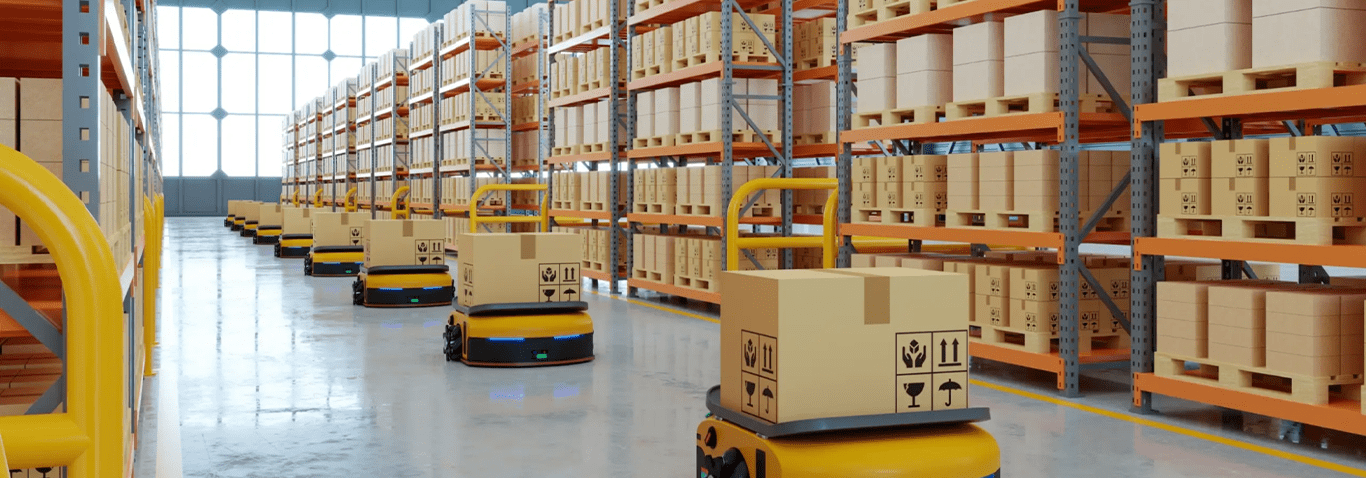
As warehousing and logistics move toward full automation, Automated Guided Vehicles (AGVs) are becoming indispensable — even in the challenging, low-temperature environments of cold storage facilities. From handling frozen goods to streamlining chiller operations, AGVs are redefining how cold rooms operate by improving safety, efficiency, and consistency.
This article explores how AGVs are being integrated into cold room facilities, how cold room design considerations like navigation and charging layouts ensure reliable performance, and how automation is helping logistics operators cut down on labour costs.
Safe Navigation in Low-Temperature Environments
Cold storage facilities, especially those running at sub-zero temperatures, pose unique challenges for machines and humans alike. AGVs operating in such environments must withstand condensation, slippery floors, and reduced sensor visibility due to frost or fog. Successful navigation depends on both technological robustness and facility design.
Modern AGVs now feature temperature-resistant components, such as insulated batteries and sealed sensor housings that prevent moisture ingress. Meanwhile, reflective floor markers and LiDAR-based mapping enable precise movement even when visibility is poor.
For instance, DHL’s automated cold warehouse in the Netherlands uses AGVs equipped with advanced navigation algorithms that adapt to changing floor conditions. These vehicles transport frozen products between loading docks and storage racks with minimal human intervention, ensuring consistent handling and preventing temperature abuse.
In Singapore, where pharmaceutical and F&B logistics demand strict temperature control, integrating AGVs requires thoughtful design coordination between cold room specialists like Kiat Lay and automation system providers. Path widths, door clearances, and sensor placements are optimized to ensure AGVs move safely through both freezer and chiller zones without heat leakage or obstruction.
Charging Stations and Path Layouts for AGV Efficiency
AGV performance depends heavily on efficient route planning and well-placed charging infrastructure. In cold rooms, energy management becomes even more critical, as low temperatures can affect battery life.
To address this, leading facilities use smart charging stations located in ambient or buffer zones between temperature-controlled areas. This setup allows AGVs to recharge without exposure to extreme cold for extended periods, improving longevity and uptime.
Warehouse layouts are also evolving to support AGV movement. Instead of random aisle paths, modern cold rooms are being built with dedicated AGV lanes, marked entry points, and automatic door systems synchronized with AGV traffic. This coordination reduces unnecessary door openings, stabilizes temperatures, and minimizes frost buildup.
A practical example can be found in Japanese cold chain operator Nichirei Logistics Group, which redesigned its frozen storage layout to accommodate AGV routes. The result was a 25% increase in throughput efficiency and a 15% reduction in energy consumption, proving that layout optimization is as critical as the AGV hardware itself.
Reducing Labour Costs Through Automation
One of the most significant advantages of AGV integration is the reduction in manual labour required for goods movement — especially in extreme cold environments where worker comfort and safety are ongoing challenges.
AGVs can operate 24/7, performing repetitive and physically demanding tasks such as pallet transport, order picking, and staging for dispatch. This reduces the number of workers needed inside freezer zones and lowers the risk of cold-related injuries.
In the pharmaceutical logistics sector, where precise environmental control is non-negotiable, AGVs ensure that human handling is minimized — reducing contamination risks and improving compliance with Good Distribution Practice (GDP) standards. By pairing AGVs with temperature-monitoring IoT systems, companies can achieve end-to-end traceability for every movement of a product within the cold chain.
Moreover, automation enables predictable cost modeling. Instead of fluctuating labour expenses tied to manpower shortages or shift differentials, businesses can rely on a consistent operational rhythm driven by robotics and intelligent scheduling systems.
Case Study: Integrating Automation in a Regional Cold Chain Hub
A Southeast Asian logistics company recently partnered with Kiat Lay to modernize its regional cold room hub serving both frozen foods and chilled beverages. The project involved redesigning storage zones for AGV compatibility — including installing automatic sliding doors, low-frost flooring, and integrated docking sensors.
By integrating AGVs for pallet transfer between chillers and freezers, the facility achieved:
- 20% reduction in turnaround time for inbound and outbound goods,
- 30% drop in energy consumption due to improved door cycle efficiency, and
- Significant reduction in manual handling incidents.
The result was a high-throughput, low-maintenance cold storage operation that demonstrated how technology and facility design can work hand in hand.
The Future of AGV-Ready Cold Rooms
As the logistics industry faces rising energy costs and increasing demand for traceability, AGV-enabled cold rooms represent the next evolution of smart warehousing. Combining automation, IoT connectivity, and intelligent layout design not only enhances safety and efficiency but also positions operators for future scalability — from predictive maintenance to AI-driven load planning.
With experienced cold room partners like Kiat Lay cold room specialist, companies can confidently adopt automation-ready designs that meet today’s operational demands and tomorrow’s technological advances.
Kiat Lay continues to support the logistics and cold chain industry with innovative cold room design solutions that integrate automation, sustainability, and precision — ensuring that every facility is ready for the next leap in efficiency.