


The Role of Cold Rooms in Buffet and Banquet Operations
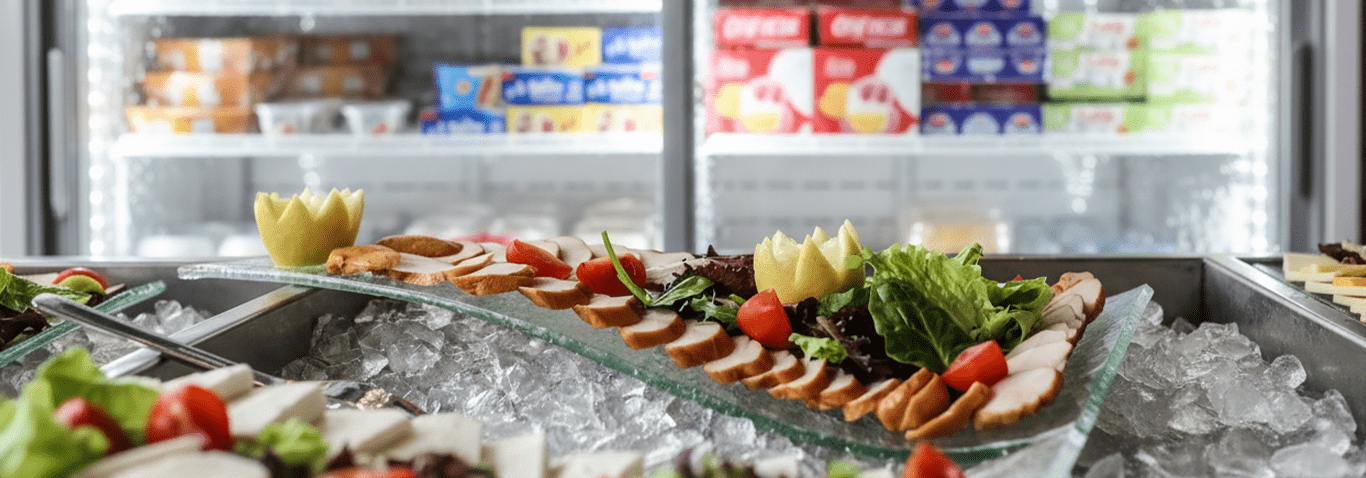
Buffets and banquets are the heartbeat of hotel dining. From corporate conferences to lavish weddings, these large-scale events demand precision behind the scenes. While guests enjoy an endless spread of fresh food, the real hero ensuring smooth service is often hidden away — the cold room.
Cold rooms play a central role in managing bulk storage, ensuring freshness, and supporting efficient replenishment during service. For hotels in Singapore, where food safety and quality are non-negotiable, getting cold room design and operations right is key to delivering unforgettable dining experiences.
Managing Bulk Storage for Large-Scale Hotel Banquets
Hotel banquets can cater to hundreds, sometimes thousands, of guests at a time. This scale requires massive amounts of food prepared and stored in advance — seafood, meats, sauces, desserts, and beverages, all waiting to be served at the right moment.
Cold rooms are designed to handle this bulk storage efficiently:
- Dedicated Zones: Separate sections for seafood, poultry, vegetables, and dairy reduce cross-contamination risks.
- Bulk Racking Systems: Adjustable shelving maximises space usage while keeping items accessible.
- Temperature-Specific Rooms: Freezer rooms for long-term storage of frozen goods and chiller rooms for ready-to-serve items.
For example, a luxury hotel in Marina Bay designed its cold room facility with partitioned zones specifically for banquet operations. This allowed chefs to organise menu components systematically and reduced time wasted searching for ingredients during peak preparation hours.
Ensuring Food Freshness During High-Volume Service
One of the biggest challenges in buffet and banquet operations is maintaining food quality. With large volumes, there’s always a risk of spoilage if storage conditions are not precise.
Cold rooms provide the controlled environment needed to preserve freshness:
- Consistent Temperature and Humidity: Sensitive items like seafood and salads are stored at optimal levels, preventing deterioration.
- Quick Cooling Systems: Cooked dishes that need to be stored temporarily before service can be rapidly cooled to safe temperatures, complying with Singapore Food Agency (SFA) standards.
- FIFO (First In, First Out) Practices: Cold rooms designed with clear labelling and shelving systems make it easier for staff to rotate stock efficiently.
A case in point: During the festive season, one Sentosa resort caters to back-to-back corporate banquets. By using blast chillers integrated with their cold room, they manage to prepare dishes hours in advance without compromising on freshness, ensuring smooth service throughout the evening.
Best Practices for Replenishment and Cold Storage Rotation
Buffets are defined by their constant replenishment. Guests expect trays to remain full, whether it’s the first or last hour of the event. Behind the scenes, cold rooms make this possible.
Best practices include:
- Pre-Portioned Storage – Dishes are prepared and portioned into trays in advance, then stored in cold rooms for quick transfer to the service line.
- Staging Areas – A smaller cold room near the banquet hall acts as a staging zone, reducing travel time for staff during service.
- Stock Rotation – Proper labelling and shelving ensure older stock is used first, reducing waste and preventing expired items from being served.
For instance, a five-star hotel in Orchard Road revamped its workflow by adding a satellite cold room adjacent to its main ballroom. This reduced replenishment times by 40%, ensuring hot dishes were always accompanied by equally fresh cold selections.
Balancing Safety and Speed in High-Traffic Kitchens
Banquet operations often see a high volume of kitchen staff moving in and out of cold rooms. Without proper design, this traffic flow can lead to safety hazards or compromised hygiene.
Cold rooms designed for banquets should address:
- Non-Slip Flooring to prevent accidents when staff carry heavy trays.
- Clear Walkways with shelving positioned to avoid congestion.
- Automatic Doors and Access Control to reduce temperature fluctuations and improve efficiency.
In a recent upgrade at a hotel in Clarke Quay, cold room access was streamlined with sliding doors and smart locks. Not only did this improve hygiene control, but it also reduced unnecessary energy loss caused by frequent door openings during service.
Supporting Sustainability in Buffet and Banquet Operations
Food waste is a growing concern, especially in large-scale dining. Cold rooms help hotels manage inventory better, cutting down unnecessary waste. When integrated with smart monitoring systems, managers gain real-time visibility of temperature conditions and stock movement, enabling better forecasting and portion planning.
Hotels in Singapore are also increasingly aligning with sustainability goals. Energy-efficient cold rooms, with improved insulation and eco-friendly refrigerants, allow banquet operations to run smoothly without inflating utility costs.
Conclusion
Cold rooms are more than storage spaces — they are the backbone of buffet and banquet operations. From managing bulk storage and safeguarding freshness to enabling smooth replenishment, their role is indispensable in delivering seamless dining experiences.
For hotels in Singapore’s competitive hospitality market, investing in well-designed cold rooms isn’t just about convenience. It’s about upholding food safety, boosting operational efficiency, and delighting guests with every plate served.
With the expertise of specialists like Kiat Lay, hotels can design cold room solutions that meet the unique demands of buffet and banquet operations — ensuring that behind every successful event, there’s a cold room quietly doing its job.