


Temperature Mapping: The Quiet Safeguard Inside Every Cold Room
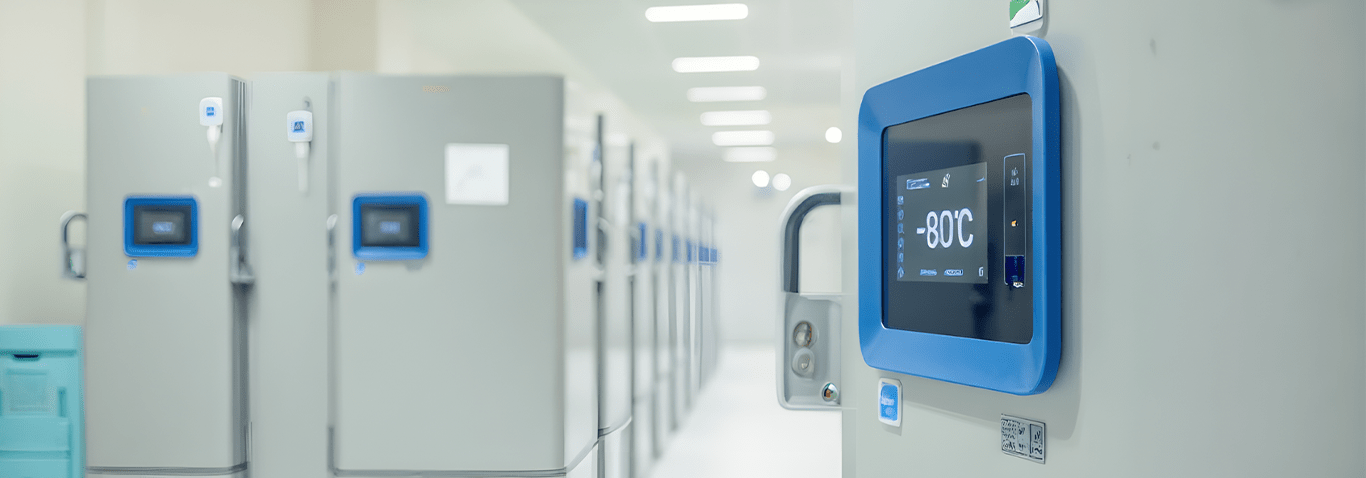
When people think about pharmaceutical cold rooms, most picture rows of shelves filled with medicines and vaccines kept at precise temperatures. What often goes unnoticed is the quiet safeguard working behind the scenes—temperature mapping. It’s not as visible as the cooling system or as obvious as the insulated panels, but without it, medicines could lose their effectiveness before they ever reach patients.
Why Not All Corners Stay the Same Temperature
A cold room may be designed to maintain a set temperature, but that doesn’t mean every spot inside performs identically. Factors such as:
- Airflow patterns caused by fans and shelving layouts.
- Door openings that allow warm air to seep in.
- Lighting fixtures that emit heat.
- Proximity to evaporator coils that create extra cold zones.
These differences can create hot spots and cold spots—areas where the temperature drifts out of the approved range. Even a small variation of 2–3°C can compromise temperature-sensitive products like vaccines, insulin, or biologics.
Case Example: A pharmaceutical distributor in Singapore once found that products stored near the cold room entrance were consistently exposed to slightly higher temperatures. Temperature mapping revealed this weak point, prompting them to add additional airflow control and reorganise storage racks.
Consistency Means Medicine Quality
Medicines don’t just need to be kept cold—they need to be kept consistently cold across the entire storage area. This ensures that:
- A vaccine vial on the top shelf remains just as safe as one stored in the back corner.
- Expensive biologics maintain their potency from the day they arrive until the day they leave the warehouse.
- Storage conditions meet Good Distribution Practice (GDP) and Health Sciences Authority (HSA) compliance in Singapore.
Example: During a validation study, a pharmaceutical cold room was mapped over seven days with sensors placed at multiple points. The data revealed consistent conditions within the acceptable range. This validation allowed the company to confidently distribute their medicines to hospitals, knowing every unit was protected.
An Unseen but Crucial Step for Patient Safety
Temperature mapping may never be noticed by patients, but it has a direct impact on their health. The process ensures that every box, vial, and packet of medicine retains full efficacy by the time it is dispensed.
- Hospitals and pharmacies can trust that what they receive is safe and effective.
- Pharmaceutical companies avoid costly recalls and reputational damage.
- Patients ultimately benefit from medicines that deliver the expected therapeutic effect.
Case Study: During the COVID-19 vaccine rollout, global logistics companies relied heavily on temperature mapping. By validating every storage point in ultra-low temperature freezers and cold rooms, they avoided excursions that could have rendered doses unusable. This safeguard helped ensure vaccine availability when demand was at its peak.
Why Hotels and F&B Can Learn From This Practice
Though temperature mapping is mandatory in the pharmaceutical industry, hotels and F&B outlets storing premium ingredients such as caviar, truffles, or vintage wines can benefit too. Consistent temperature storage preserves not just safety, but also flavour, texture, and value. A single hidden hotspot could lead to spoilage that costs thousands of dollars.
Conclusion
Temperature mapping is the quiet safeguard inside every cold room. It identifies hidden weak points, ensures consistency across every shelf, and protects patient safety long before medicines reach hospitals or pharmacies.
For pharmaceutical companies, it’s a compliance requirement. For patients, it’s an invisible promise of quality. And for cold room operators in Singapore, it is one of the most critical steps in building trust—proof that what is stored inside is safe, effective, and reliable.
If you want to ensure full compliance and long-term temperature stability, consult a trusted cold room specialist today to get expert mapping, monitoring, and validation support.