


The Smart Way to Keep Pharma Cold Rooms at the Right Temperature
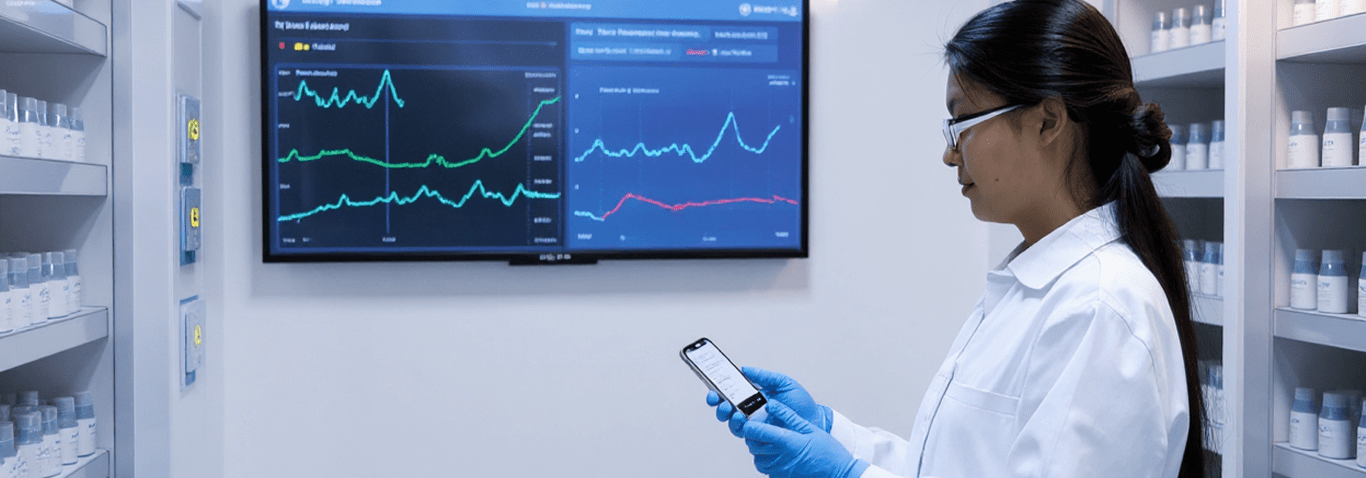
In the pharmaceutical supply chain, cold rooms quietly carry a huge responsibility. A small dip or spike in temperature can mean the difference between life-saving medicine and useless stock. With millions of dollars in inventory and, more importantly, patient health on the line, relying on traditional manual checks is no longer enough.
The smarter way forward? Modern monitoring systems that track cold room conditions in real time, alert staff before issues escalate, and create the confidence regulators demand.
Real-Time Tracking: Always Watching, Never Sleeping
Unlike manual logbooks or daily checks, today’s monitoring tools work 24/7. Sensors inside cold rooms continuously measure temperature, humidity, and airflow. The data is fed into a central dashboard or even a mobile app, giving facility managers instant visibility.
- Automatic alerts: SMS or email notifications are sent if readings drift out of safe ranges.
- Continuous logs: Every data point is recorded, creating a reliable audit trail for compliance.
- Remote access: Managers can check cold room conditions even when offsite.
Case Example: A pharmaceutical warehouse in Tuas, Singapore, adopted a cloud-based monitoring system. When an evaporator fan malfunctioned one evening, the system instantly triggered an alert to the duty manager’s phone. A technician was dispatched within the hour, preventing an entire shipment of vaccines from spoiling.
Fewer Risks, Lower Costs
Spoilage in pharmaceuticals is not just costly — it’s catastrophic. Losing a single pallet of vaccines could mean hundreds of thousands of dollars wasted, not to mention potential shortages for hospitals.
Modern monitoring systems reduce these risks by:
- Detecting equipment failures early, such as compressor faults.
- Preventing human error, like missed manual readings.
- Supporting predictive maintenance, where data trends reveal issues before they cause breakdowns.
Example: A regional distributor that upgraded to a smart monitoring solution reported a 40% reduction in spoilage incidents within a year. The investment in technology paid for itself quickly, saving money and protecting supply reliability.
Compliance Made Simple
Cold room monitoring isn’t just about saving costs — it’s also about staying compliant. Health authorities like the HSA (Health Sciences Authority) in Singapore, and global standards such as WHO GDP guidelines, require consistent proof that medicines have been stored correctly.
With smart systems:
- Data is automatically time-stamped and stored.
- Reports for audits can be generated in minutes.
- Regulators gain confidence that companies are safeguarding products responsibly.
Instead of scrambling during inspections, operators can simply export logs showing every hour of storage history.
Smarter Means Safer — For Patients Too
The end goal of all this technology isn’t just smoother operations. It’s about ensuring that patients receive medicines that work as intended. When a patient in a Singapore hospital gets an insulin vial, they may never think about the cold room it passed through. But that invisible safety net ensures it’s just as effective as the day it left the manufacturer.
Case Study: During the COVID-19 vaccine rollout, real-time monitoring was critical. Some vaccines required storage at ultra-low temperatures of -70°C. Without automated systems, constant manual checking would have been impossible. Thanks to smart monitoring, doses remained safe and potent until they reached vaccination centres.
Looking Ahead: Integrating AI and IoT
The future of pharma cold room monitoring is getting even smarter. With IoT devices and AI-powered analytics, systems can:
- Predict temperature fluctuations based on past data.
- Optimise energy usage without compromising safety.
- Automatically schedule maintenance when performance drifts.
These advances mean not only safer storage but also more sustainable and cost-effective operations.
Conclusion
Pharma cold rooms may never make headlines, but the technology that keeps them running safely is advancing rapidly. Real-time monitoring tools are the smart safeguard for pharmaceutical supply chains — protecting millions of dollars in products, ensuring compliance, and most importantly, safeguarding patient health.
For pharmaceutical companies in Singapore and beyond, it’s not just about working harder to keep cold rooms safe. It’s about working smarter — using technology to build trust, reliability, and resilience into every step of the supply chain.