


Planning Separate Temperature Zones for Food Manufacturing Facilities
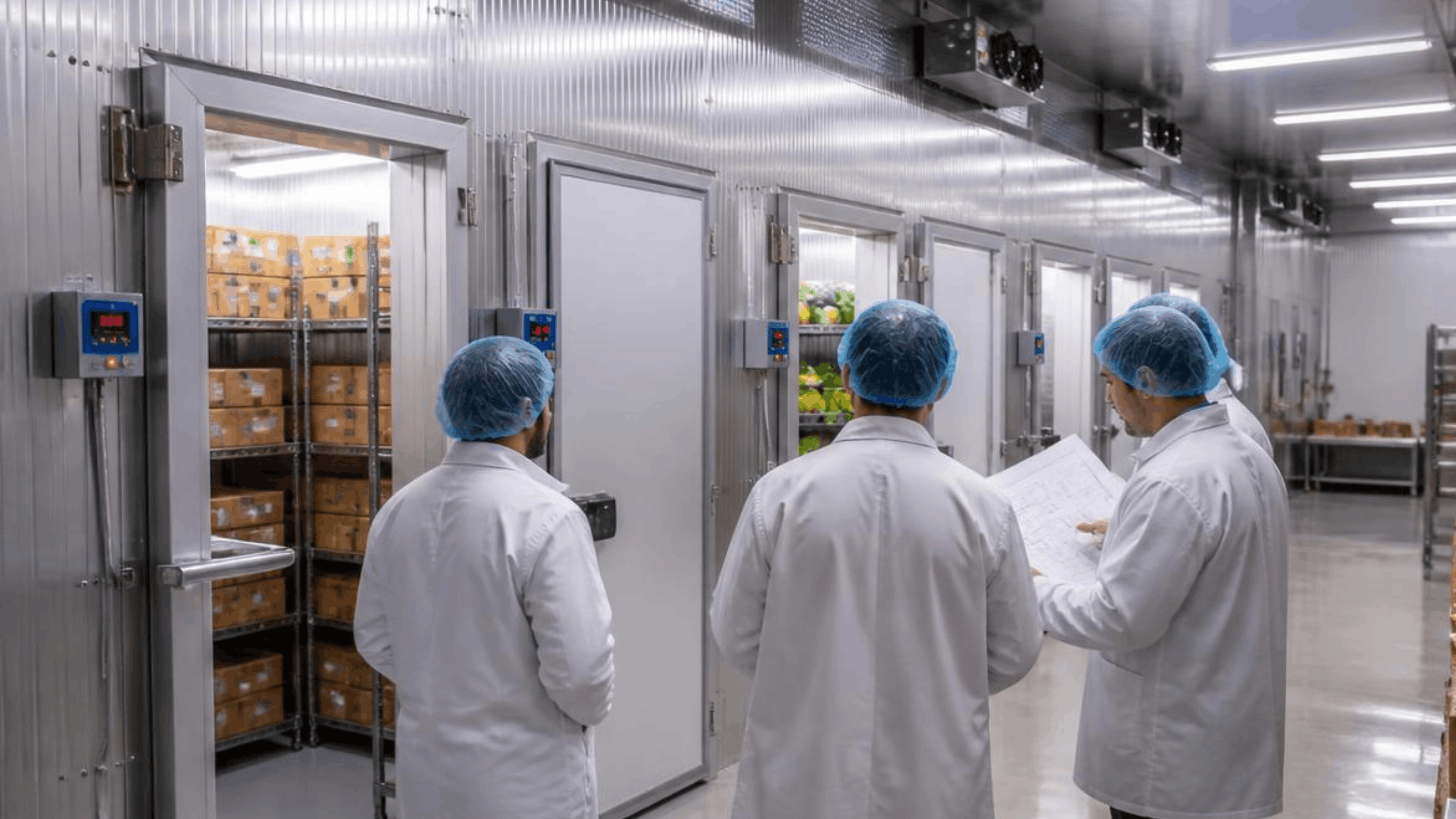
As food manufacturing operations expand, refrigerated storage often becomes more complex than simply maintaining products at the correct temperature. New product lines, changing production schedules and stricter food safety requirements frequently introduce storage challenges that cannot be solved by increasing cold room capacity alone. In many facilities, the more effective solution is to organise refrigerated storage into dedicated temperature zones that support different operational requirements.
Temperature zoning is often associated with refrigeration performance, but its greatest value lies in improving daily operations. Separating ingredients, work in progress products and finished goods into appropriate temperature controlled environments allows manufacturers to manage inventory more efficiently while reducing unnecessary product movement. It also creates a more organised workflow that supports consistent production throughout the day.
A carefully planned food manufacturing cold room design therefore considers temperature zoning as part of the overall production strategy rather than treating it as a technical refrigeration feature. Understanding how products move through the facility is just as important as determining the required storage temperature.
Manufacturers reviewing existing refrigeration facilities may also discover that inefficient product movement or recurring storage constraints are early indicators that the cold room layout no longer reflects current production requirements. Addressing these operational challenges during future expansion projects often delivers greater long term value than increasing refrigeration capacity alone.
Temperature Zones Should Reflect Production Workflow
The most effective temperature zoning strategies begin with the production process instead of refrigeration equipment. Raw ingredients, partially processed products and finished goods rarely follow the same handling procedures. Each stage has different storage durations, access frequencies and quality control requirements. Designing temperature zones around these operational differences allows products to move through the facility more efficiently while reducing unnecessary handling.
Consider a manufacturer producing chilled sauces and frozen ready meals within the same factory. Raw materials may require short term chilled storage before production, while finished frozen products remain in storage until customer orders are prepared. Housing both product categories within a single refrigerated area may create congestion, increase door opening frequency and complicate inventory management. Creating dedicated temperature zones allows each product category to follow a logical storage path that aligns with production schedules instead of competing for the same refrigerated space.
Product Characteristics Should Influence Storage Decisions
Not every product requires identical storage conditions, even within the same manufacturing facility. Ingredients with high turnover may benefit from storage locations closer to processing areas, allowing production teams to access materials quickly throughout the day. Products requiring longer storage periods can be positioned in separate zones where inventory rotation can be managed more effectively.
Temperature sensitivity should also be evaluated alongside operational requirements. Dairy products, seafood, meat, prepared meals and frozen ingredients may each require different environmental conditions to maintain product quality throughout storage.
Planning these storage requirements early allows manufacturers to create refrigerated spaces that support both product integrity and operational efficiency rather than relying on temporary adjustments as production grows.
Food Safety Benefits Beyond Temperature Control
Temperature zoning also contributes to stronger food safety management by supporting product segregation throughout the manufacturing process. Separating raw materials from finished products reduces opportunities for cross contamination while helping production teams maintain clear inventory control. Manufacturers handling allergen containing ingredients may also benefit from dedicated refrigerated storage areas that simplify cleaning procedures and reduce the risk of accidental product mixing.
Food safety programmes become easier to manage when storage areas are organised according to operational requirements rather than available space. Product identification, stock rotation and quality inspections can all be completed more efficiently when each refrigerated zone has a clearly defined purpose.
Planning Temperature Zones for Future Production Expansion
A temperature zoning strategy should support both current production requirements and future business growth. Manufacturing facilities often introduce new product categories, increase production capacity or expand into different markets over time. Each of these developments can influence refrigerated storage requirements.
Instead of designing zones solely around today’s product mix, manufacturers should consider how storage requirements may change over the next several years. Additional chilled storage, expanded frozen capacity or dedicated areas for high value ingredients can often be incorporated more efficiently when sufficient space has been allocated during the original planning stage.
For example, a business producing chilled ready meals may later introduce frozen products to expand its market reach. If the original cold room has been designed with flexible zoning and sufficient refrigeration capacity, this transition can often be completed with fewer operational disruptions than a complete facility redesign. Planning for future adaptability allows refrigerated storage to grow alongside production while reducing the cost and complexity of future expansion projects.
Example of Temperature Zoning in a Food Manufacturing Facility
The most effective zoning strategy depends on the products being manufactured, production volumes and operational workflow. However, the following example illustrates how separate temperature zones can support more efficient food manufacturing operations.
|
Temperature Zone |
Typical Products |
Operational Purpose |
|
Chilled ingredient storage |
Fresh meat, dairy products, vegetables |
Provides quick access for daily production while maintaining product freshness |
|
Frozen ingredient storage |
Frozen seafood, meat and prepared ingredients |
Preserves long term inventory and supports production scheduling |
|
Work in progress storage |
Semi processed products awaiting the next production stage |
Maintains product quality between manufacturing processes |
|
Finished goods storage |
Packaged products awaiting dispatch |
Supports efficient order preparation and inventory control |
|
Allergen dedicated storage |
Ingredients containing allergens |
Reduces cross contamination risks and supports food safety procedures |
Rather than applying identical layouts across every facility, manufacturers should adapt temperature zones to reflect their production processes, product characteristics and operational priorities.
Avoiding Common Temperature Zoning Mistakes
Creating separate refrigerated zones does not automatically improve operational performance. Poor planning can still introduce unnecessary handling, inefficient workflows and avoidable operating costs.
One common mistake is allocating temperature zones based only on available space instead of production activities. This often results in staff travelling longer distances between processing areas and refrigerated storage, reducing productivity throughout the day.
Another issue is underestimating future production growth. Facilities that are designed around current storage volumes may require significant modifications when new product lines are introduced or manufacturing capacity increases. Businesses should also avoid treating every refrigerated product as though it has identical storage requirements. Different ingredients, production stages and finished products often benefit from dedicated storage environments that reflect their handling procedures rather than simply their required temperatures. Careful planning helps manufacturers create refrigerated facilities that remain efficient as production requirements continue to evolve.
Designing Cold Rooms Around Manufacturing Operations
Effective food manufacturing cold room design begins with understanding how products move through the facility rather than selecting refrigeration equipment first. Temperature zoning, storage capacity and operational workflow should be planned together to support efficient manufacturing while maintaining consistent food safety standards.
Kiat Lay provides industrial cold room, helping manufacturers develop refrigerated storage solutions that align with production processes, future expansion plans and operational requirements. For businesses planning specialised refrigeration projects, Custom Cold Room solutions can also be tailored to accommodate different temperature zones, product categories and manufacturing workflows.
Conclusion
Planning separate temperature zones is more than a refrigeration decision. It is an operational strategy that supports efficient product movement, stronger food safety practices and long term production flexibility.
By aligning refrigerated storage with manufacturing workflows, businesses can improve inventory management, reduce unnecessary handling and prepare their facilities for future growth without relying on temporary storage solutions. Contact Kiat Lay today to discuss your food manufacturing cold room requirements or request a consultation to develop a temperature zoning strategy tailored to your production processes and future expansion plans.