


How Production Downtime Can Be Reduced Through Planned Cold Room Maintenance
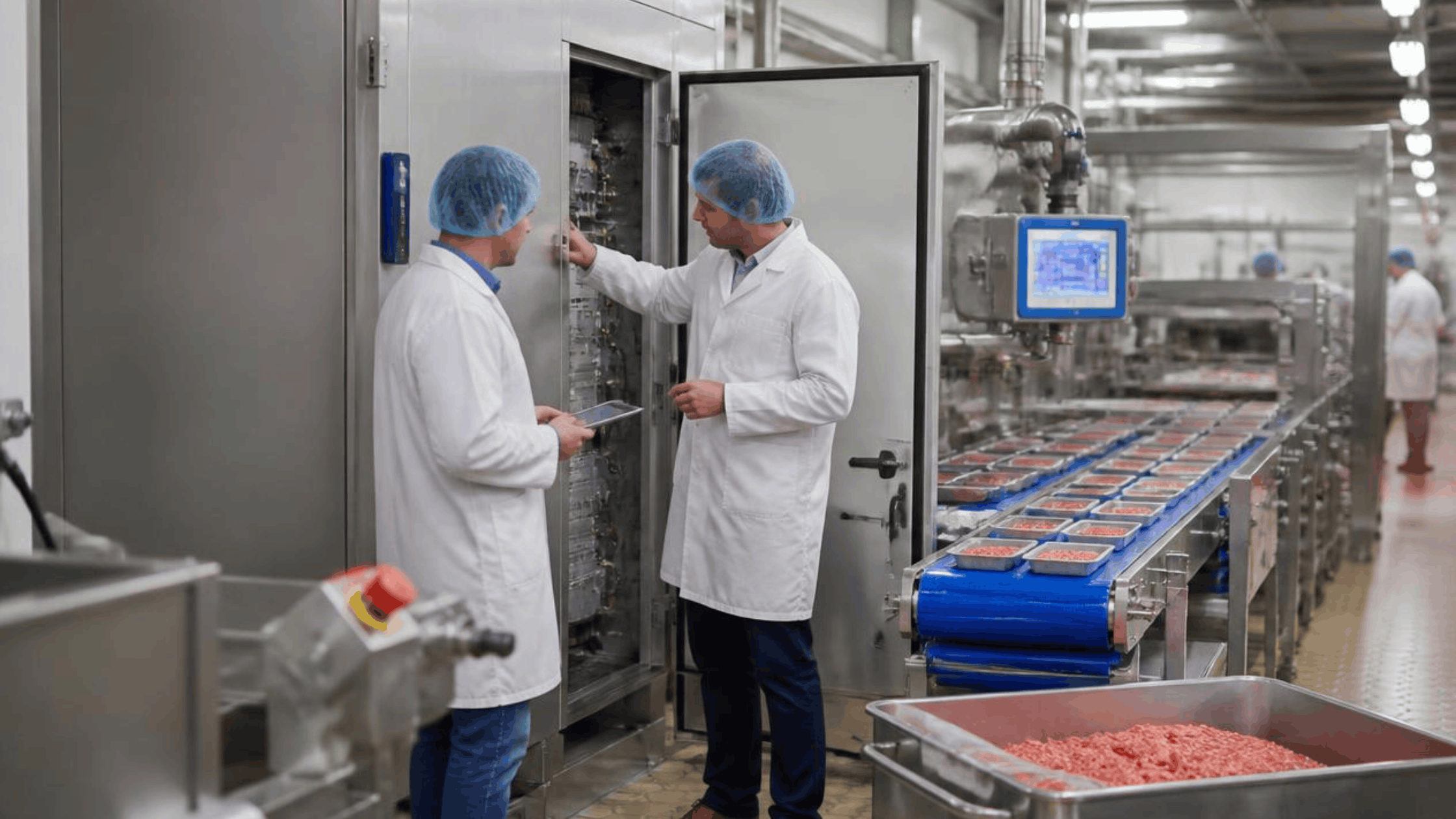
Maintaining continuous production is one of the highest priorities for every food manufacturer. Processing schedules, packaging operations and distribution activities are carefully coordinated to meet customer demand while maintaining product quality. When refrigerated storage becomes unavailable because of unexpected equipment issues, however, the impact often extends beyond the cold room itself. Production schedules may need to be adjusted, finished products can experience delays before storage and dispatch activities may no longer proceed according to plan.
Many businesses only arrange servicing after refrigeration performance begins to decline or when equipment stops operating unexpectedly. Although emergency repairs remain essential in certain situations, relying solely on reactive maintenance increases the likelihood of production interruptions that could have been avoided through earlier inspection and servicing.
Effective food manufacturing cold room maintenance is therefore not simply about keeping refrigeration equipment operational. It is about protecting production continuity by ensuring refrigerated storage continues supporting manufacturing activities every day. When maintenance becomes part of operational planning instead of an emergency response, businesses can reduce unnecessary downtime while improving long term equipment reliability.
Manufacturers reviewing their maintenance strategy should also consider how refrigeration performance influences the entire production process. A cold room that operates reliably contributes to smoother scheduling, more predictable production output and greater confidence when planning future manufacturing capacity.
Production Downtime Often Begins Before Equipment Failure
Unexpected production downtime rarely occurs without warning. In many cases, refrigeration equipment continues operating while gradually showing signs that maintenance is becoming necessary. Warehouse and production teams may notice that products require longer periods to return to their target storage temperature after processing. Refrigeration systems may run more frequently than usual or require repeated adjustments to maintain stable operating conditions. Although these changes may not immediately interrupt production, they often indicate that equipment performance is gradually declining.
Consider a manufacturer producing chilled ready meals across two production shifts. The cold room continues operating throughout the day, but refrigeration recovery becomes noticeably slower after each production cycle. Finished products remain waiting outside refrigerated storage for longer than expected, creating unnecessary delays before packaging and dispatch activities can continue. Identifying these performance changes early allows maintenance to be scheduled before they develop into unplanned production interruptions. Recognising operational trends instead of waiting for equipment failure helps manufacturers maintain more consistent production performance.
Maintenance Should Be Planned Around Production Requirements
Maintenance schedules should reflect manufacturing activities rather than being arranged only when refrigeration contractors are available. Food manufacturing facilities often experience predictable production cycles, including planned shutdowns, equipment cleaning periods and seasonal changes in output. These operational windows provide valuable opportunities to complete inspections, servicing and component replacement without disrupting normal production activities.
Planning maintenance around production requirements also improves coordination between maintenance personnel, production supervisors and quality assurance teams. Equipment can be inspected more thoroughly while refrigeration systems are temporarily offline, reducing the need for emergency servicing during busy manufacturing periods.
By integrating maintenance into production planning, businesses can reduce operational disruption while improving confidence that refrigeration systems are prepared to support future manufacturing demands.
Five Operational Indicators That Maintenance Should Be Scheduled
Rather than waiting for refrigeration equipment to stop operating, manufacturers should pay attention to operational changes that may indicate servicing is becoming necessary.
- Temperature recovery is taking longer after production
If newly processed products require noticeably longer to return to the required storage temperature, refrigeration performance should be reviewed before the issue begins affecting production schedules.
- Refrigeration equipment is operating more frequently
Longer compressor operating cycles or continuously running refrigeration systems may indicate declining efficiency or developing mechanical issues that require inspection.
- Condensation or ice formation is becoming more noticeable
Changes around door openings, evaporators or internal surfaces often suggest that refrigeration performance or airflow should be evaluated before larger problems develop.
- Minor repairs are becoming increasingly common
Repeated adjustments to door seals, refrigeration controls or other components may indicate that a more comprehensive maintenance review is required rather than continuing with temporary repairs.
- Production teams are adjusting workflows around refrigeration limitations
If manufacturing staff regularly delay production, rearrange storage activities or introduce temporary workarounds because refrigerated storage is not performing consistently, maintenance should be prioritised before these practices become part of normal operations.
Preventive Maintenance Is More Effective Than Reactive Repairs
Emergency repairs are sometimes unavoidable, particularly when unexpected component failures occur. However, relying on reactive maintenance as the primary maintenance strategy often results in greater operational disruption than many manufacturers anticipate.
When refrigeration systems fail during production, maintenance teams must work within tight time constraints while production personnel adjust schedules, manage inventory and minimise the impact on temperature sensitive products. These situations place unnecessary pressure on multiple departments while increasing the possibility of extended production delays.
Preventive maintenance offers a more controlled approach. By carrying out inspections, servicing and component replacements before equipment performance deteriorates significantly, manufacturers can schedule maintenance during suitable operational windows instead of responding to unexpected breakdowns. This not only reduces production downtime but also improves confidence that refrigeration systems will continue supporting manufacturing activities during periods of high demand. For businesses operating multiple production shifts, preventive maintenance also provides greater flexibility because servicing can be coordinated with planned production breaks instead of interrupting active manufacturing.
Maintenance Planning Should Involve Multiple Departments
Cold room maintenance should not be viewed as the sole responsibility of engineering or maintenance personnel. Production supervisors, warehouse teams and quality assurance staff all interact with refrigerated storage throughout daily operations and are often the first to recognise changes in equipment performance.
Production personnel may notice delays when transferring finished products into storage. Warehouse teams may identify unusual temperature fluctuations during receiving or dispatch activities. Quality assurance staff may observe environmental inconsistencies while conducting routine inspections. Bringing these observations together provides a more complete understanding of refrigeration performance than relying on maintenance inspections alone.
Regular communication between departments also helps businesses prioritise maintenance activities more effectively. Instead of responding only after equipment performance has declined, manufacturers can use operational feedback to schedule inspections at the most appropriate time, reducing disruption while improving overall equipment reliability.
Long Term Maintenance Supports Future Production Growth
As food manufacturers increase production capacity, introduce new product lines or expand into larger facilities, refrigeration systems are often expected to support higher workloads than originally anticipated. Without a structured maintenance strategy, equipment that previously performed reliably may begin showing signs of wear as operational demands increase.
Routine servicing allows businesses to assess whether refrigeration equipment continues meeting current production requirements while identifying opportunities for performance improvements or future upgrades. In some situations, repeated maintenance issues may indicate that the existing cold room configuration no longer aligns with manufacturing operations, making a broader review of the refrigeration system more beneficial than continuing with isolated repairs.
Viewing maintenance as part of a long term operational strategy helps manufacturers make informed decisions about equipment servicing, future investments and production planning, ensuring refrigerated storage continues supporting business growth without compromising reliability.
Supporting Reliable Manufacturing Through Professional Maintenance
A well planned maintenance programme extends beyond scheduled servicing. It helps businesses maintain reliable refrigeration performance while supporting efficient production, inventory management and long term operational planning.
Kiat Lay provides Cool Room Repair and Cold Room Maintenance Services in Singapore, helping manufacturers maintain dependable refrigeration systems through preventive servicing, inspections and responsive repair support. For businesses reviewing recurring maintenance issues or preparing for future production expansion, Kiat Lay also offers Custom Cold Room solutions and Industrial Cold Rooms Storage Design For Multi Storey Factories, allowing refrigeration infrastructure to evolve alongside changing manufacturing requirements rather than relying on repeated short term modifications.
Conclusion
Reducing production downtime begins long before refrigeration equipment fails. By integrating planned maintenance into production schedules, monitoring operational performance and responding to early warning signs, food manufacturers can improve equipment reliability while maintaining smoother production workflows.
A proactive maintenance strategy not only helps reduce unexpected interruptions but also provides greater confidence that refrigerated storage will continue supporting business growth as operational requirements evolve.
Contact Kiat Lay today to discuss your cold room maintenance requirements or request a consultation to develop a maintenance strategy that protects production continuity, supports long term equipment performance and keeps your manufacturing operations running efficiently.