


Questions to Ask Before Upgrading a Hotel Cold Room
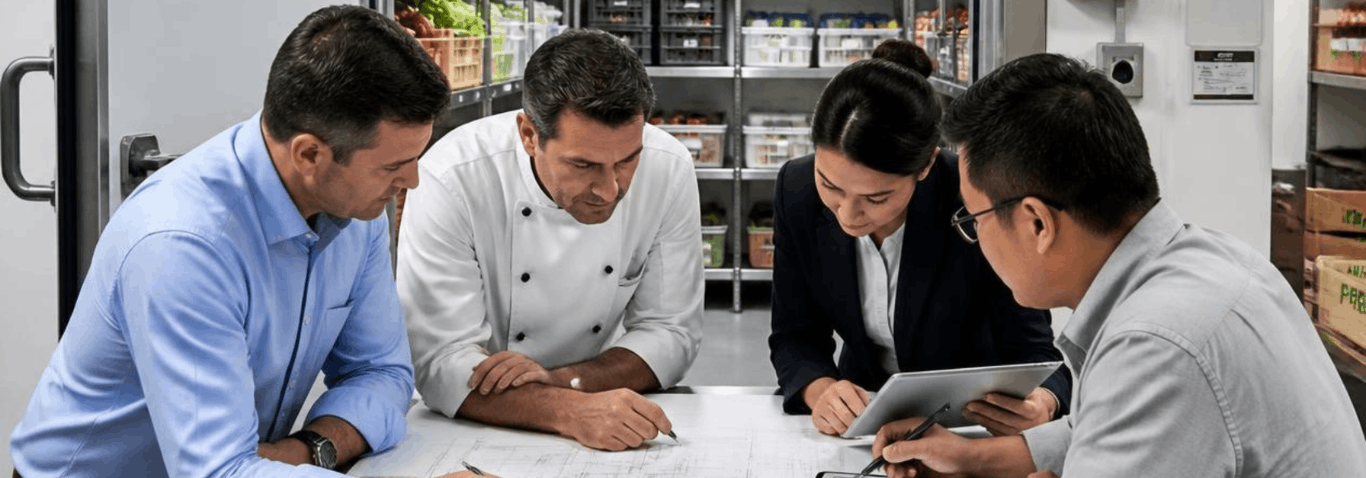
Hotel kitchens operate every day, often serving hundreds of guests through restaurants, room service, banquets and events. Behind these operations, cold rooms play an essential role in storing ingredients safely and ensuring food and beverage teams have reliable access to inventory throughout the day.
As hotels evolve, refrigeration requirements often change as well. Renovations, menu expansion, increasing occupancy or ageing equipment may all prompt the need for a hotel cold room upgrade.
However, upgrading a hotel cold room is not simply about replacing equipment or increasing storage space. The project should also support kitchen workflows, minimise disruption to hotel operations and accommodate future business requirements.
Taking the time to ask the right questions before work begins can help ensure the investment delivers long term value.
What Is Driving the Upgrade?
Every project should begin with a clear understanding of why the upgrade is being undertaken. Some hotels may be experiencing storage limitations during peak occupancy periods, while others may be replacing ageing refrigeration systems or renovating food preparation areas.
Identifying the primary objective helps determine the most appropriate solution and prevents unnecessary work during the project.
Before planning begins, consider questions such as:
- Is the current cold room no longer meeting operational requirements?
- Have food and beverage operations expanded?
- Is equipment becoming more difficult to maintain?
- Will the renovation support future business growth?
Having well defined objectives creates a stronger foundation for the rest of the project.
Planning Tip: A successful upgrade starts with understanding the operational challenge rather than focusing immediately on equipment replacement.
How Will the Upgrade Affect Daily Operations?
One of the biggest concerns for hotel operators is maintaining food and beverage services while renovation work is underway. Unlike facilities that can temporarily suspend operations, many hotels continue serving guests throughout the project. This makes careful planning essential. Rather than viewing construction and operations as separate activities, both should be considered together from the beginning.
|
Hotel Operation |
Planning Consideration |
|
Restaurant service |
Can meal preparation continue without interruption? |
|
Banquet events |
Will storage remain adequate during large functions? |
|
Room service |
How will ingredient access be maintained? |
|
Receiving deliveries |
Can goods continue moving efficiently during the project? |
A phased approach or carefully scheduled construction programme may help reduce disruption, depending on the scope of the upgrade. Hotels planning a renovation may also benefit from understanding how to keep food and beverage operations running smoothly during a cold room refurbishment.
Does the Existing Layout Still Support Your Kitchen?
An upgrade provides an opportunity to do more than replace ageing equipment. It also allows hotels to review whether the existing cold room layout continues to support current kitchen operations.
For example, changes in menu offerings, increased banquet bookings or higher occupancy may alter how ingredients are received, stored and accessed throughout the day. Instead of recreating the same layout, hotels should evaluate whether product flow can be improved to better support chefs and kitchen staff.
A well planned layout can reduce unnecessary movement, improve accessibility and contribute to smoother daily operations.
Is the Upgrade Designed for Future Operations?
A hotel cold room upgrade should address more than immediate operational needs. It should also consider how the hotel is expected to grow over the coming years.
Changes such as introducing new dining concepts, expanding banquet facilities or increasing guest capacity can all influence refrigeration requirements. Planning with these developments in mind helps ensure the upgraded cold room remains suitable as the business evolves. Rather than designing solely around today’s operations, hotel operators should ask whether the upgraded facility will continue supporting future food and beverage services without requiring further major modifications.
Planning Tip: A cold room renovation is an opportunity to prepare for tomorrow’s operations, not simply replace yesterday’s equipment.
Taking a longer term approach often delivers better value by reducing the need for additional upgrades as operational demands increase.
When Is the Best Time to Carry Out the Project?
Timing plays an important role in the success of any hotel renovation project. Many hotels experience seasonal fluctuations in occupancy, conference bookings and event schedules. Planning a cold room upgrade during a less demanding period may provide greater flexibility for both construction activities and kitchen operations.
Before finalising a project schedule, hotel operators should consider:
|
Project Consideration |
Why It Matters |
|
Occupancy forecast |
Identify periods with lower operational demand |
|
Event calendar |
Avoid disruption during major functions or conferences |
|
Restaurant operations |
Maintain consistent food preparation and service |
|
Supplier deliveries |
Ensure uninterrupted inventory replenishment |
Communication Is Just as Important as Construction
Successful renovation projects rely on more than technical planning. Clear communication between hotel management, kitchen teams, facility managers and contractors helps ensure everyone understands the project timeline and operational requirements.
For example, kitchen staff may need advance notice of temporary storage arrangements, while suppliers may require updated delivery procedures during construction.
Establishing clear communication before work begins helps reduce confusion and allows issues to be addressed quickly if unexpected changes arise. This collaborative approach often contributes to a smoother renovation experience and allows hotel operations to continue with minimal disruption.
Involve the Right Teams Before the Project Begins
Planning a hotel cold room upgrade should involve more than the facilities or engineering department. Because the cold room supports multiple food and beverage operations, representatives from different teams can provide valuable insights during the planning stage.
Executive chefs, kitchen supervisors, purchasing teams and facility managers often have different priorities based on their daily responsibilities. Bringing these perspectives together helps create a solution that reflects how the hotel actually operates. For example, chefs may identify storage challenges that affect food preparation, while purchasing teams can provide information about delivery schedules and inventory turnover. Facility managers, meanwhile, can assess how the proposed upgrade fits within the hotel’s existing infrastructure and maintenance plans.
Early collaboration also makes it easier to identify operational constraints before construction begins. This may include planning temporary storage arrangements, coordinating supplier access or adjusting workflows while renovation work is in progress.
When key stakeholders are involved from the outset, decisions are more likely to support both operational efficiency and long term business objectives. It also reduces the likelihood of unexpected design changes later in the project, helping the renovation progress more smoothly from planning through to completion.
Work with a Specialist Who Understands Hospitality Operations
Hotels present unique operational challenges because refrigeration systems support multiple departments simultaneously. Restaurants, cafés, banquet kitchens and room service may all rely on the same cold storage facilities.
For this reason, a hotel cold room upgrade should be planned with a clear understanding of how food and beverage operations function throughout the property. An experienced cold room specialist can assess the existing facility, review operational workflows and recommend practical solutions that align with both current requirements and future business plans. Whether you are modernising an ageing facility or preparing for business growth, early planning with an experienced specialist can help deliver a renovation that supports efficient hotel operations with minimal disruption.
Conclusion
A successful hotel cold room upgrade involves much more than replacing refrigeration equipment. It requires careful planning, realistic scheduling and a clear understanding of how the renovation will affect daily food and beverage operations.
By asking the right questions before work begins, hotel operators can make informed decisions that improve workflow, support future growth and minimise disruption throughout the project. If you are planning to upgrade your hotel’s cold room facilities, contact Kiat Lay or request a consultant to discuss a solution tailored to your operational requirements.